
Cooking greens can be a delicious and nutritious addition to any meal, but knowing how long they take to cook can be confusing. Different types of greens, such as collard greens, kale, spinach, and Swiss chard, have varying cooking times and methods that yield the best flavor and texture. Understanding these differences allows you to create flavorful dishes while preserving the nutritional benefits of these vibrant vegetables.
This guide will explore how long it takes to cook various greens, methods for cooking them, and tips for achieving the best doneness. Whether you’re sautéing, steaming, or boiling, you’ll find the information you need to elevate your greens cooking game.
How Long Does Greens Take to Cook?
The cooking time for greens varies based on the type of green, the cooking method, and your personal preference for doneness. On average, hardy greens like collards and kale may take 30 to 45 minutes to cook, while more tender greens like spinach and arugula can be ready in just 3 to 5 minutes. Here’s a breakdown:
- Collard greens: 30 to 45 minutes
- Kale: 5 to 10 minutes (sautéed) or 15 to 20 minutes (braised)
- Swiss chard: 5 to 10 minutes
- Spinach: 3 to 5 minutes
- Mustard greens: 5 to 10 minutes
- Arugula: 1 to 3 minutes
Types of Greens and Their Cooking Times
Understanding the specific cooking times for different greens will help you select the right method and avoid overcooking, which can lead to a loss of nutrients and a less appetizing texture.
Collard Greens
Collard greens are sturdy and have a slightly bitter flavor that mellows with cooking. They are often cooked in large quantities and can be braised or sautéed.
- Cooking Time: 30 to 45 minutes
- Method: Boil, braise, or sauté.
- Tips: Use flavorful broth or add ham hocks for a richer taste. Cook until tender but still bright green.
Kale
Kale comes in many varieties, from curly to dinosaur (Lacinato). The cooking time can vary slightly based on the type.
- Cooking Time: 5 to 10 minutes (sautéed) or 15 to 20 minutes (braised).
- Method: Sauté, steam, or braise.
- Tips: Massage raw kale to break down fibers and make it tender before cooking, or sauté with garlic and olive oil for added flavor.
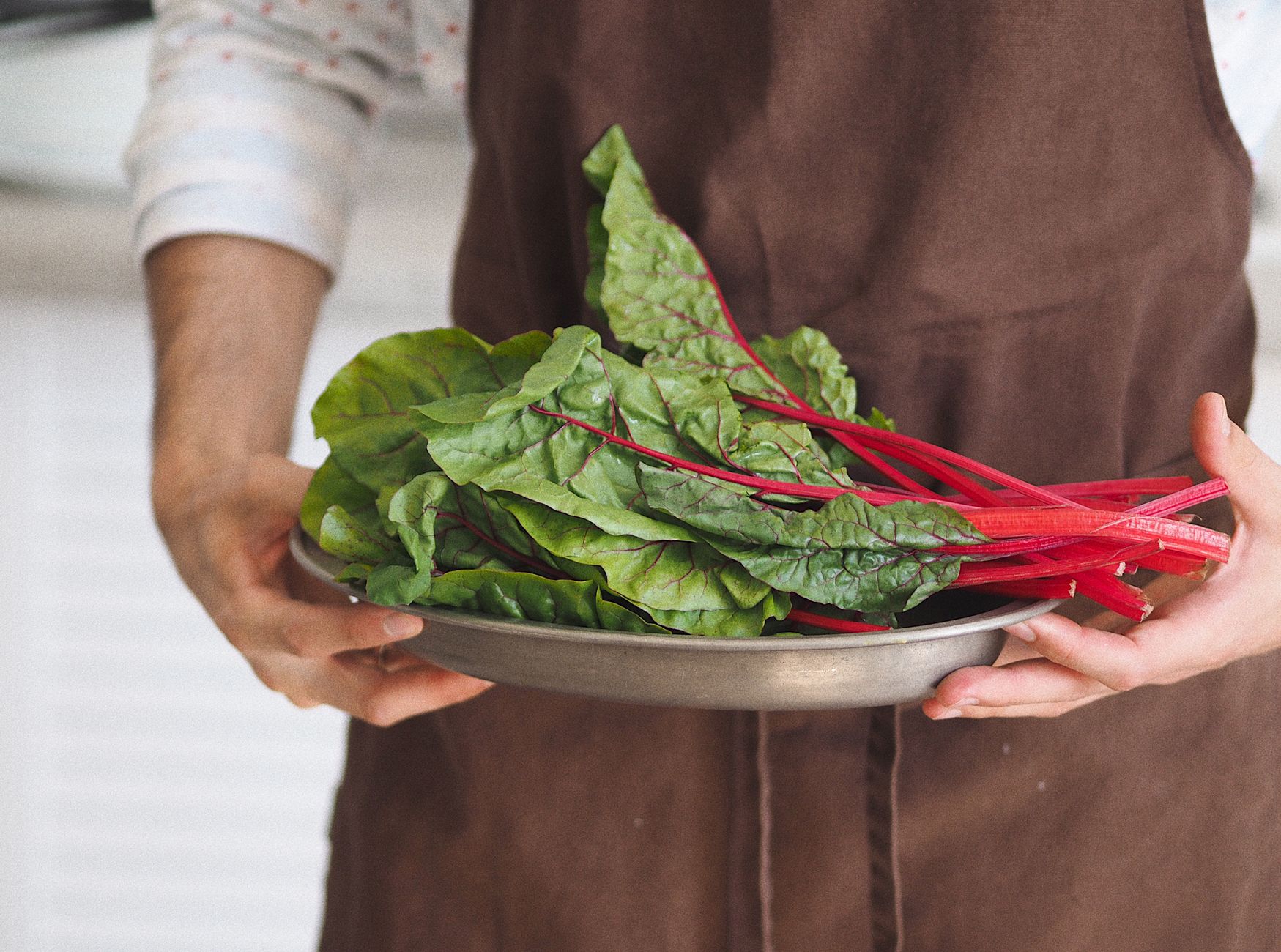
Swiss Chard
Swiss chard is a slightly bitter green that has a tender texture. It is often used in Mediterranean dishes.
- Cooking Time: 5 to 10 minutes.
- Method: Sauté or steam.
- Tips: Separate stems from leaves; the stems may need a couple of minutes longer to become tender.
Spinach
Spinach has a very tender texture and a mild flavor, making it a versatile green used in a variety of dishes.
- Cooking Time: 3 to 5 minutes.
- Method: Sauté or steam.
- Tips: Spinach wilts quickly, so keep an eye on it; cook in small batches if necessary.
Mustard Greens
Similar to collard greens but with a spicier flavor, mustard greens are often used in Southern cooking.
- Cooking Time: 5 to 10 minutes.
- Method: Sauté or steam.
- Tips: Pair with sweet ingredients to balance their spiciness.
Arugula
Arugula is a peppery green typically used raw in salads, but it can be cooked lightly.
- Cooking Time: 1 to 3 minutes.
- Method: Sauté or stir-fry.
- Tips: Use it as a topping for pasta or pizza for a fresh, peppery kick.
Cooking Methods for Greens
Several methods effectively cook greens, each impacting the flavor, texture, and final dish. Below are the most common methods.
Boiling
Boiling is a quick method for cooking greens but can sometimes lead to flavor loss. To prevent this:
- Bring a salted pot of water to a rapid boil.
- Add greens and cook for the specified time (consult the specific cooking times above).
- Immediately transfer greens to an ice bath to halt cooking and preserve bright color.
Sautéing
Sautéing is a popular method that enhances the flavor of greens while keeping them slightly crisp.
- Heat oil (olive oil, avocado oil) in a skillet over medium heat.
- Add minced garlic or onions for added flavor, optionally.
- Add washed greens and toss until wilted and tender. Adjust cooking times according to the type of green.
Steaming
Steaming is a gentle way to cook greens, retaining their nutrients and color.
- Set a steaming basket over boiling water.
- Add the greens and cover.
- Steam until just tender, usually just a couple of minutes.
Braising
Braising involves slow-cooking greens in a flavorful liquid, creating a rich dish.
- Heat oil in a large pot or Dutch oven.
- Add aromatics like onion or garlic and sauté.
- Add greens, broth, or water, and simmer until tender (15 to 45 minutes, depending on the greens).
Tips for Cooking Perfect Greens
Cooking greens can be straightforward, but some tips can help you achieve the best results.
- Freshness Matters: Fresh greens will cook better and have more vibrant flavors. Look for bright, crisp leaves with no signs of wilting.
- Prevent Overcooking: Many greens can become mushy if cooked too long. Monitor closely, and taste frequently.
- Season Generously: Use salt, pepper, and spices to elevate the flavor. Adding a squeeze of lemon juice or vinegar post-cooking can brighten the dish.
- Experiment with Combinations: Mixing different greens can create deeper flavors and textures. For example, pairing kale with spinach can yield a delightful dish.
- Use Broths or Stocks: Cooking greens in broth instead of water adds extra flavor and depth. Homemade stock works wonderfully.
- Let Them Hinge: If boiling or steaming, consider keeping a small amount of cooking liquid to add back to the finished dish for moisture.
Common Mistakes When Cooking Greens
Even simple cooking techniques can sometimes go awry. Understanding common pitfalls can help avoid mistakes.
- Neglecting to Wash: Always wash greens thoroughly to remove dirt and grit, especially for leafy greens.
- Skipping Seasoning: Unseasoned greens can taste bland. Make sure to bring out their natural flavors with proper seasoning.
- Cutting Too Small: When prepping greens, large pieces hold up better during cooking than small pieces, which can easily become mushy.
- Ignoring Texture: Different greens require different cooking times. Ignoring this can lead to overcooked or undercooked results.
Serving Suggestions for Cooked Greens
Cooked greens are versatile and can be incorporated into various dishes. Here are some serving suggestions:
- As a Side Dish: Serve simply with a drizzle of olive oil and lemon juice.
- In Salads: Use wilted greens as a base for salads. Combine with nuts, cheese, and dried fruits for texture and flavor.
- In Pasta Dishes: Mix cooked greens into pasta for added nutrients. They pair well with garlic, olive oil, and parmesan.
- As a Pizza Topping: Top pizzas with wilted greens before baking.
- In Smoothies: Blend tender greens like spinach into smoothies for a nutritional boost without overwhelming flavors.
Make-Ahead and Storage Tips
Cooking greens can be part of your meal prep routine. Here are some handy tips for making and storing cooked greens:
- Make-Ahead: Cook greens in bulk and store them in the refrigerator for up to four days.
- Freezing: Cooked greens can be frozen for up to six months. Blanch them first for best quality.
- Reheating: Reheat gently on the stovetop or microwave. Avoid overcooking during reheating to maintain texture.
Greens are an excellent addition to any diet, providing a wealth of vitamins, minerals, and flavors. In summary, cooking times vary by type, but generally, you can expect greens to cook anywhere from 1 to 45 minutes, depending on the method. For best results, always be mindful of doneness and the unique qualities of each green.
For further delicious recipes, consider exploring our dandelion greens recipe or check out gumbo greens recipe. Happy cooking!