
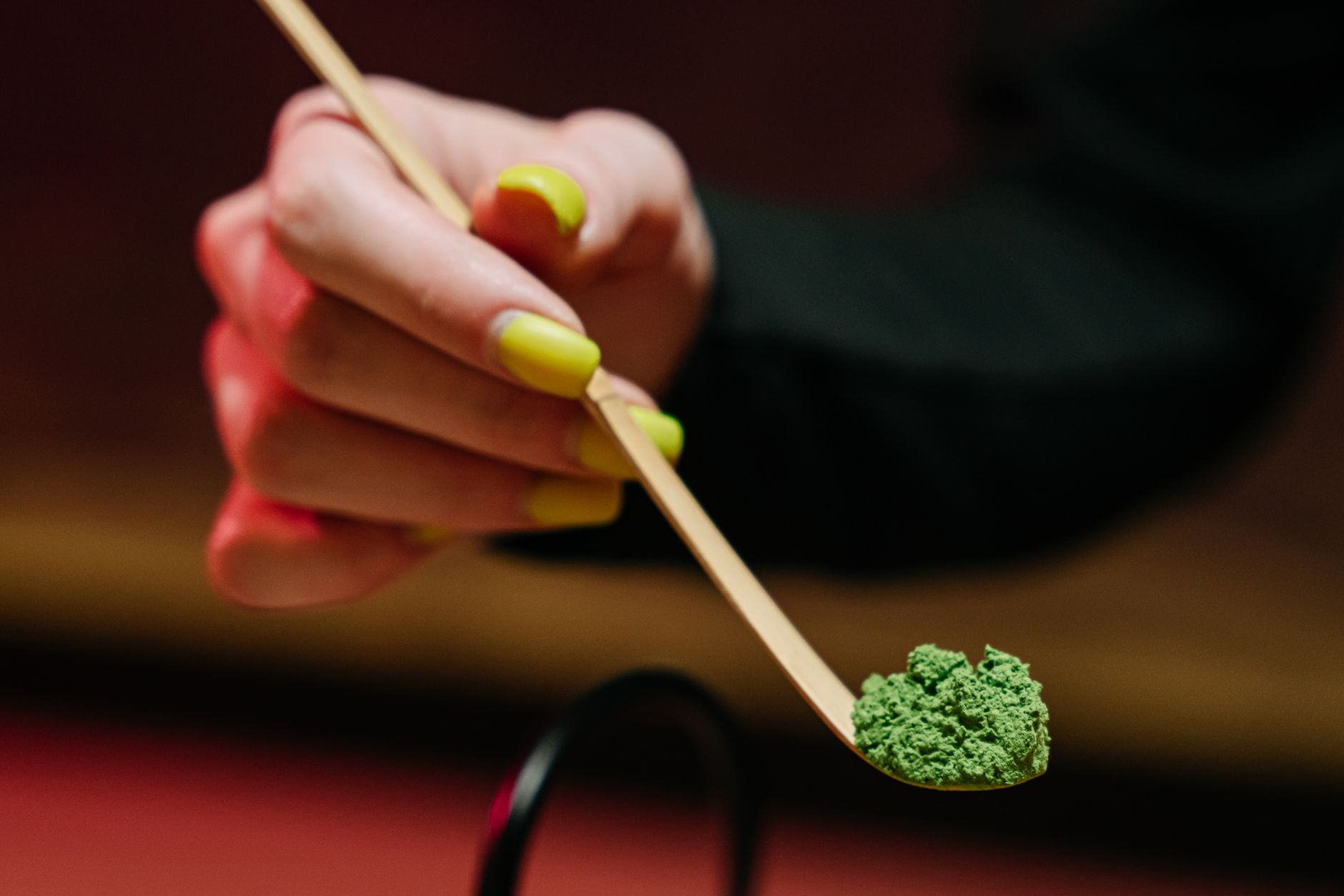
Matcha has surged in popularity as a health-focused beverage option, renowned for its rich flavor and vibrant green color. One of the most common questions surrounding matcha is whether it contains caffeine or not. Understanding the caffeine content in matcha is crucial for individuals managing their caffeine intake for health or personal reasons.
This article explores the caffeine levels found in matcha, how it compares to other caffeinated beverages, and its potential effects on the body. Furthermore, we will delve into serving sizes and ways to incorporate matcha into your diet without exceeding your desired caffeine intake.
Is Matcha Caffeine Free?
No, matcha is not caffeine-free. A standard serving of matcha typically contains around 70 milligrams of caffeine per 1 teaspoon (about 2 grams) of matcha powder. This amount can vary based on the brand, quality, and preparation method used. In contrast, an 8-ounce cup of brewed coffee can contain approximately 95 milligrams of caffeine, so while matcha does contain caffeine, its levels are generally lower when compared to coffee.
Understanding Caffeine in Matcha
To grasp the caffeine content in matcha better, it is essential to understand how caffeine works in your body. Caffeine is a natural stimulant that affects the central nervous system, leading to increased alertness and reduced fatigue. The effects of caffeine vary from person to person and can be influenced by factors such as tolerance, individual sensitivity, and overall health.
Caffeine Specifics in Matcha
There are several factors that influence the caffeine content in matcha:
- Type of Matcha: Different types of matcha can contain varying levels of caffeine. Ceremonial-grade matcha, typically used in traditional tea ceremonies, may have a slightly higher caffeine content than culinary-grade matcha, which is commonly used in cooking and baking.
- Preparation Method: How you prepare your matcha can also affect its caffeine levels. For example, a matcha latte made with more powder will yield a higher caffeine content than a simple whisked matcha tea.
- Serving Size: The amount of matcha powder you use will directly impact the caffeine you consume. More powder means more caffeine.
How Does Matcha Compare to Other Beverages?
When considering caffeine content, it’s helpful to see how matcha stacks up against more common caffeinated drinks:
| Drink | Caffeine Content (Approx.) |
|---|---|
| 1 cup brewed coffee (8 oz) | 95 mg |
| 1 cup brewed black tea (8 oz) | 40-70 mg |
| 1 cup brewed green tea (8 oz) | 20-45 mg |
| 1 cup matcha tea (8 oz with 2 grams matcha) | 70 mg |
As shown in the table above, matcha does contain more caffeine than most brewed green teas and is closer in caffeine content to black tea, but still less than a standard cup of coffee.
The Health Benefits of Caffeine in Matcha
While some individuals seek to reduce their caffeine intake, it is important to note that moderate caffeine consumption has been associated with several health benefits. Here are some positive ways caffeine in matcha can contribute to your wellness:
- Increased Focus: Caffeine can improve concentration and focus, making matcha an excellent choice for studying or working.
- Enhanced Metabolism: Some studies suggest that caffeine can increase metabolic rate, contributing to weight management.
- Antioxidant Properties: Matcha is rich in catechins, a type of antioxidant. The combination of caffeine and catechins may enhance the protective effects of both compounds.
How to Prepare Matcha
Making a perfect cup of matcha is about adhering to the right method and using quality ingredients. Here are the steps to create a delicious matcha drink:
Ingredients
- 2 grams (1 teaspoon) of matcha powder
- 2 ounces of hot water (not boiling, around 175°F or 80°C)
- Optional: Sweetener (honey, maple syrup), milk, or dairy alternatives (for matcha lattes)
Equipment Needed
- Matcha whisk (chasen)
- Matcha bowl (chawan) or a standard bowl
- Sifter (optional, to prevent clumping)
Preparation Steps
- Sift the Matcha: If desired, sift the matcha powder into a bowl to remove clumps.
- Add Water: Pour the hot water (not boiling) over the matcha powder.
- Whisk: Use the matcha whisk to whisk the mixture vigorously in a zig-zag motion until frothy and well-blended.
- Sweeten & Enjoy: Add sweeteners or milk to taste, and enjoy your freshly prepared matcha drink!
Dosage and Serving Sizes
The serving size of matcha can vary based on your personal preference and caffeine tolerance. Here are some general guidelines:
- Standard Serving: 1 teaspoon (2 grams) of matcha powder contains about 70 mg of caffeine. This is a typical serving size for a standard cup of matcha tea.
- Moderate Serving: For those who are more accustomed to caffeine or seeking a stronger flavor, you can increase the serving to 1.5 to 2 teaspoons (about 4 grams). This will raise caffeine content to approximately 105-140 mg.
- Personal Tolerance: It’s important to listen to your body. If you are sensitive to caffeine, stick to smaller servings and see how your body responds.
Practical Uses of Matcha Beyond Beverages
While matcha is best known for its use as a tea, it can be incorporated into various recipes, enhancing both flavor and nutrition. Here are a few creative ways to enjoy matcha:
Matcha in Cooking and Baking
Matcha can be used in numerous recipes beyond just drinks. Here are a few ideas:
- Matcha Desserts: Use matcha powder in cakes, cookies, or brownies for a unique flavor and vibrant color. It pairs well with white chocolate and cheesecake.
- Matcha Smoothies: Blend matcha with fruits, yogurt, and your choice of milk for a nutritious breakfast or snack option.
- Matcha Oats: Stir matcha into overnight oats for an energizing breakfast.
Storage Recommendations
To preserve the freshness of matcha, proper storage is key:
- Store matcha in an airtight container to prevent oxidation.
- Keep it in a cool, dark place away from direct sunlight and humidity.
- For long-term storage, refrigeration may be beneficial, but allow it to reach room temperature before opening to avoid condensation.
Common Mistakes to Avoid
When preparing or using matcha, there are common pitfalls to avoid:
- Using Boiling Water: Water that is too hot can scorch the matcha, resulting in a bitter taste. Aim for water around 175°F or 80°C.
- Neglecting to Sift: Matcha can clump if not sifted. Always sift before whisking to achieve a smooth texture.
- Overdoing it: Be mindful of how much matcha you consume, especially if you’re sensitive to caffeine. Starting with 1 teaspoon is a safe bet.
Conclusion
In summary, matcha is not caffeine-free, containing about 70 milligrams per typical serving of 1 teaspoon of matcha powder. With its robust flavor and array of potential health benefits, it can be a wonderful addition to your daily routine. Just be aware of your overall caffeine intake, and enjoy this beautiful green tea in moderation.
To continue exploring the flavors of matcha, check out our delicious matcha tiramisu recipe or try a refreshing strawberry matcha recipe for a lovely twist on the classic beverage.