
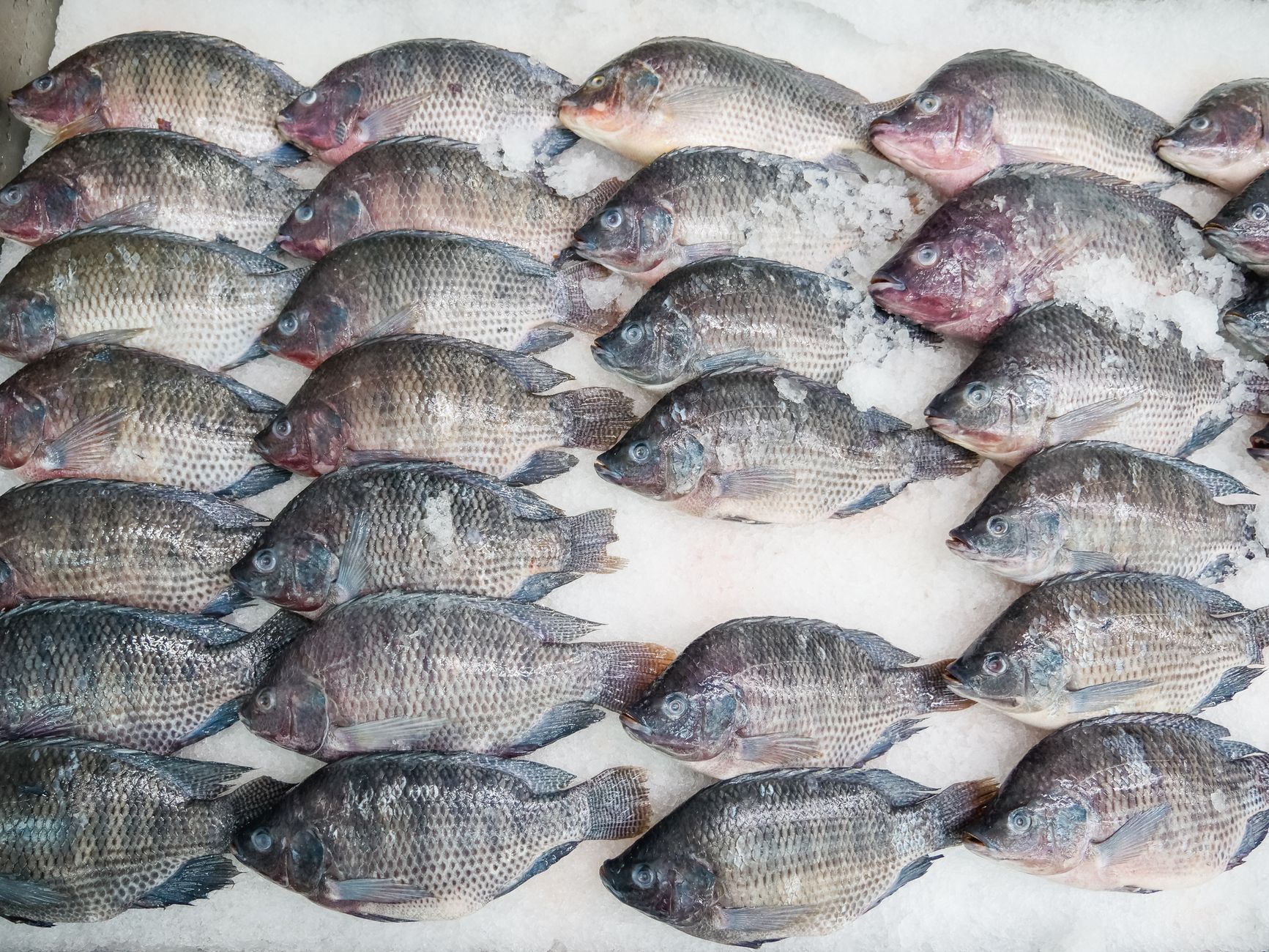
A fishmonger is a professional who sells fish and other seafood. Often found in markets, grocery stores, or specialized fish shops, fishmongers play a vital role in ensuring that customers have access to fresh and high-quality seafood. They typically have expertise in selecting, preparing, and selling various types of fish and shellfish, enabling them to provide helpful advice to customers on how to choose and cook their purchases.
Understanding what a fishmonger does can enhance your cooking experiences and seafood choices. This guide will explore the role of a fishmonger, the types of seafood they offer, tips on selecting high-quality fish, and culinary uses to inspire your kitchen endeavors.
What Is A Fishmonger?
A fishmonger is a retailer dedicated specifically to the sale of fish and seafood. In addition to selling fresh fish, they may also provide prepared seafood, offer cooking advice, and assist with special orders and specific cuts. Their expertise can help consumers make informed choices regarding the freshness, flavor, and cooking methods appropriate for various seafood types.
The History of Fishmongering
Fishmongering has a long history, with evidence of fish markets dating back to ancient civilizations. Romans and Greeks organized fresh fish sales in markets and harbor areas. Over time, local markets adapted to include knowledgeable fishmongers who could distinguish between different types of fish, ensuring quality and freshness for their customers.
In many cultures, fishmongers became integral to community life, helping to create connections between local fishermen and consumers. Today, fishmongers may work in larger grocery chains, but many still operate in traditional markets, carrying on the rich heritage of seafood sales.
Types of Seafood Offered by Fishmongers
Fishmongers typically stock a wide variety of seafood, which can be broadly categorized into the following groups:
- Fish: Includes varieties like salmon, tuna, cod, tilapia, haddock, sole, and many others.
- Shellfish: Encompasses crustaceans such as shrimp, crabs, and lobsters, as well as mollusks like clams, oysters, and scallops.
- Smoked and Cured Fish: Processed seafood such as lox, kippers, or smoked mackerel, which can add unique flavors to dishes.
- Prepared Seafood: Fish and shellfish that are pre-marinated, breaded, or partially cooked, offering convenience to home cooks.
How to Choose the Best Seafood
When shopping at a fishmonger, selecting high-quality seafood is essential. Here are some practical tips to ensure you choose the best:
Evaluating Freshness
- Smell: Fresh fish should have a mild, almost briny smell. An overly fishy or sour odor indicates spoilage.
- Appearance: Look for fish with bright, clear eyes, shiny skin, and vibrant coloring. Dullness or cloudiness may suggest age.
- Texture: Fresh fish should feel firm to the touch. Press gently; the flesh should spring back without leaving an indentation.
- Gills: If visible, examine the gills for bright red or pink coloration. Dull or brown gills indicate that the fish is past its prime.
Understanding Sustainability
Many fishmongers prioritize sustainability in their offerings. Look for certifications from reputable organizations that indicate sustainable practices in fish harvesting. Ask questions about the sourcing practices, as responsible fishmongers will happily discuss their vendors and methods.
The Role of a Fishmonger in the Kitchen
Fishmongers do more than just sell seafood; they provide essential guidance on preparation, cooking techniques, and storage. Here are various ways they can assist:
Advice on Preparation
- Fishmongers can provide recommendations on the best cooking methods for specific types of fish—grilling, sautéing, baking, or poaching.
- They can offer insights on how to clean, fillet, and prepare fish and shellfish, making the cooking process easier for home cooks.
- Ask about marinades or seasoning suggestions that pair well with certain fish types to enhance flavor.
Cooking Techniques
Fishmongers can explain various cooking techniques suited for different seafood. Common methods include:
- Grilling: Ideal for firm fish like salmon and swordfish. It adds a smoky flavor while creating a delicious crust.
- Poaching: Maintains moisture and tenderness, perfect for delicate fish such as sole or trout.
- Roasting: Roasting fish in the oven results in a flavorful, flaky presentation, great for whole fish.
- Braising: Combining fish with vegetables and stock or wine in a pot promotes intricate flavor development.
Storage and Handling Guidance
Storing seafood properly is crucial for maintaining quality and safety. A knowledgeable fishmonger can advise on:
- The best practices for refrigerating seafood, including temperature requirements and appropriate containers.
- How to freeze fish and shellfish properly to prevent freezer burn and ensure optimal flavor upon thawing.
- Storage duration insights—knowing when to cook or discard seafood helps prevent foodborne illnesses.
Popular Culinary Uses for Seafood
Fish and seafood can elevate a wide range of dishes, providing unique flavors and textures. Some popular seafood preparations include:
Seafood Salads
Light and refreshing, seafood salads often feature poached shrimp, crab, or smoked salmon, combined with crisp greens, citrus dressings, or creamy sauces. These salads are ideal as appetizers or light meals, particularly in warmer months.
Grilled Fish Tacos
Using firm, flaky fish such as mahi-mahi or tilapia, grilling adds smoky flavors to tacos. Serve with fresh cabbage, avocado, and a zesty lime sauce for a delightful meal.
Shellfish Pasta
Pasta dishes featuring clams, mussels, or shrimp can be luxurious without being overly complex. A garlic white wine sauce enhances the shellfish’s natural flavors, creating an inviting dish.
Fish Curries
Prepare hearty and aromatic fish curries using firm fish like salmon or cod simmered in coconut milk, tomatoes, and traditional spices. This method infuses the fish with rich, warming flavors.
Recipe Ideas and Inspiration
To utilize your fresh seafood effectively, consider the following simple recipes:
Grilled Salmon with Lemon-Dill Sauce
This dish combines the rich flavor of salmon with a tangy lemon-dill sauce for a fresh, zesty meal.
- Servings: 4
- Preparation time: 10 minutes
- Cooking time: 15 minutes
- Total time: 25 minutes
Ingredients
- 4 salmon fillets (6 oz each)
- 2 tablespoons olive oil
- Salt and pepper to taste
- Juice of 1 lemon
- 1 tablespoon fresh dill, chopped (or 1 teaspoon dried dill)
Method
- Preheat your grill to medium-high heat.
- Brush each salmon fillet with olive oil, then sprinkle with salt and pepper.
- Place the salmon skin-side down on the grill. Cook for 4-5 minutes until grill marks appear.
- Flip the fillets and grill for an additional 4-5 minutes until cooked through. Look for the flesh to flake easily with a fork.
- In a small bowl, mix lemon juice and dill. Drizzle this sauce over the grilled salmon before serving.
Seafood Paella
A vibrant Spanish dish featuring a mix of seafood, saffron, and rice, perfect for special occasions.
- Servings: 6
- Preparation time: 20 minutes
- Cooking time: 30-35 minutes
- Total time: 50-55 minutes
Ingredients
- 2 cups short-grain rice (such as Bomba or Arborio)
- 1 teaspoon saffron threads, soaked in 1/4 cup warm water
- 4 cups fish or chicken stock
- 2 tablespoons olive oil
- 1 onion, chopped
- 2 cloves garlic, minced
- 1 red bell pepper, diced
- 8 oz. shrimp, peeled and deveined
- 8 oz. mussels, cleaned
- 1 cup frozen peas
Method
- In a large paella pan or skillet, heat the olive oil over medium heat.
- Add the onion, garlic, and bell pepper. Sauté until softened, about 5 minutes.
- Add the rice and stir for 2 minutes, ensuring it’s coated in oil.
- Pour in the stock and saffron (with soaking water), and bring to a simmer.
- Arrange the shrimp and mussels on top of the rice. Cover and cook for about 20 minutes or until the rice is tender and most of the liquid has absorbed.
- Stir in the peas and cook for an additional 5 minutes.
- Remove from heat and let rest for 5 minutes before serving.
Common Mistakes When Buying Seafood
While shopping can be an enjoyable experience, some common pitfalls may detract from your seafood choices:
- Not asking questions: Be proactive in conversing with your fishmonger. Ask about freshness, sourcing, and what’s in season.
- Ignoring seasonality: Seafood availability and quality can vary seasonally. Familiarize yourself with seasonal selections to ensure freshness.
- Overlooking sustainability: Prioritize purchasing from vendors who practice sustainable fishing to support the health of the oceans.
Storage Tips for Seafood
Proper storage can help extend the freshness of your seafood, allowing for more flexible meal planning. Here are some tips:
- Refrigeration: Store seafood in the coldest part of your refrigerator, ideally at temperatures near 32°F (0°C), and consume within 1-2 days.
- Freezing: Wrap seafood tightly in plastic wrap or freezer bags to avoid freezer burn. Properly frozen fish can last up to six months, depending on the type.
- Thawing: Always thaw seafood in the refrigerator or cold water, never at room temperature, to prevent bacterial growth.
Exploring Local Fish Markets
Visiting local fish markets or specialized fishmongers can be a rewarding experience. These markets often provide a unique selection of fresh seafood, not typically found in large grocery chains. Engaging with fishmongers can deepen your understanding of various seafood, culinary preparations, and options that match your local region’s catch.
Conclusion
Understanding what a fishmonger does enhances your seafood shopping experience and enables you to make informed culinary decisions. By selecting quality seafood, utilizing expert advice, and exploring diverse cooking techniques, you can elevate your home cooking and embrace the flavors of the ocean. Don’t hesitate to ask your local fishmonger for guidance and recommendations as you embark on your seafood cooking adventures.
For more culinary inspiration, explore related guides such as What is Herring and learn about the nuances of this flavorful fish, or read about refreezing fish for practical storage tips.