
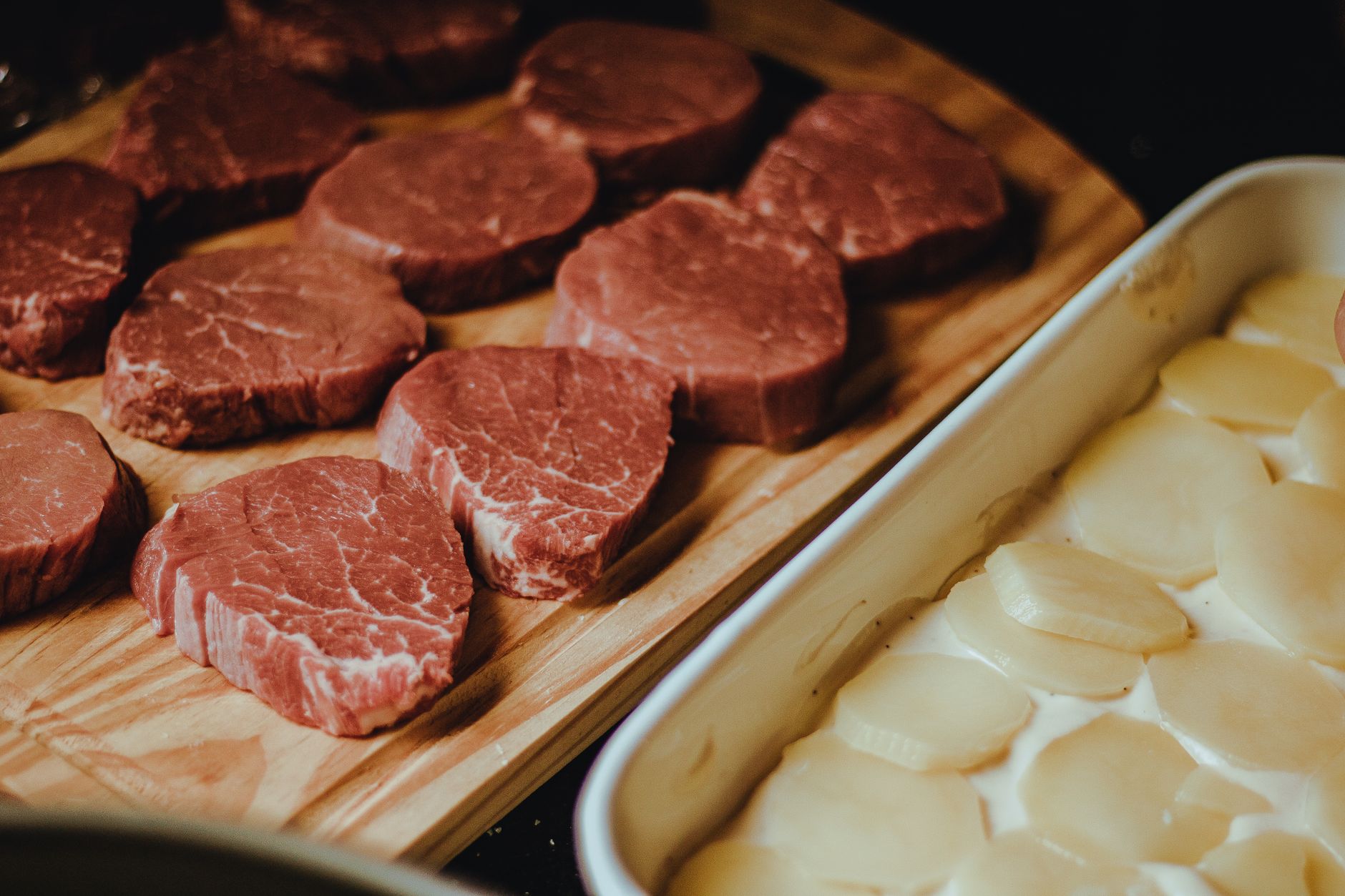
Salisbury steak is often regarded as a quintessential comfort food in American cuisine, offering familiarity and warmth with its savory flavor and appealing texture. Though it may seem straightforward today, the origins and history of this dish are quite intriguing and reflect broader culinary trends over the years.
In this article, we will explore the origins of Salisbury steak, its historical context, how it gained popularity, and what it represents in modern cooking. From its development in the 19th century to its eventual role in American diners, Salisbury steak is a dish steeped in history.
Where Does Salisbury Steak Come From?
Salisbury steak originates from the dietary influences of the 19th century in America. Named after Dr. James H. Salisbury, the dish combines seasoned ground beef formed into patties and typically served with gravy. This practice reflected a growing interest in nutrition during the time, aiming to promote meat as a healthful food choice.
The Historical Context of Salisbury Steak
Dr. James H. Salisbury, an American physician in the 1800s, believed in a meat-centric diet as part of a healthy lifestyle. Salisbury was an early advocate of what we might now tie to high-protein diets. He thought that beef could help with various health issues and even recommended it as a remedy for digestive problems.
His ideas gained traction, and the concept of ground beef patties was born out of practicality. Ground beef was less expensive and easier to prepare than whole cuts of meat, making it accessible for many families. As industrialization progressed, mass production made beef even more readily available, and Salisbury steak started to emerge as a popular meal option.
The Evolution of the Dish
Originally, Salisbury steak was served as an elegant dish, often cooked with only basic seasonings and accompanied by hearty sides such as potatoes and vegetables. The introduction of sauces and gravies over time gave rise to a more comforting version that many are familiar with today.
By the early 20th century, Salisbury steak began appearing in various recipe books and was frequently served in America’s expanding network of diners and cafeterias, contributing to its widespread popularity. The dish also offered a home-cooked feel, and its practicality made it a go-to option for families on a budget.
Defining Characteristics of Salisbury Steak
Typically, a Salisbury steak consists of ground beef that is combined with breadcrumbs, egg, and seasonings such as onion powder, garlic powder, and Worcestershire sauce. The mixture is formed into oval-shaped patties, then browned in a skillet and served with a milk- or broth-based gravy. Its flavor is savory and hearty, with a tender texture that pairs well with mashed potatoes or rice.
Cooking Techniques for Salisbury Steak
Cooking Salisbury steak does not require extensive culinary expertise, making it a favorite among home cooks. Here’s a simple guide to mastering this comforting dish.
Essential Equipment
- Mixing bowl
- Skillet or frying pan
- Spatula or tongs
- Measuring cups and spoons
- Meat thermometer
Ingredients for Traditional Salisbury Steak
- 1 pound ground beef
- 1/2 cup breadcrumbs
- 1 small onion, finely chopped
- 1 large egg
- 2 tablespoons Worcestershire sauce
- 1 teaspoon garlic powder
- 1 teaspoon onion powder
- Salt and pepper to taste
- 2 tablespoons olive oil (for frying)
- 1 cup beef broth
- 1/4 cup milk
- 1 tablespoon cornstarch (optional, for thickening)
Step-by-Step Cooking Method
- In a large mixing bowl, combine ground beef, breadcrumbs, egg, Worcestershire sauce, chopped onion, garlic powder, onion powder, salt, and pepper. Mix until just combined; do not overmix to maintain tenderness.
- Divide the mixture into four equal portions and shape each portion into an oval patty.
- Heat olive oil in a skillet over medium heat. Once the oil is shimmering, add the patties to the pan.
- Cook the patties for about 4-5 minutes on each side, or until they are browned and reach an internal temperature of 160°F (72°C).
- Remove the patties from the skillet and set aside. In the same skillet, pour in the beef broth and milk, stirring to combine.
- For a thicker gravy, mix cornstarch with a small amount of cold water to create a slurry. Add this to the gravy mixture, stirring continuously until it thickens to your desired consistency.
- Return the patties to the skillet, coating them in gravy, and let simmer for an additional 5 minutes to meld the flavors.
- Serve the Salisbury steak hot alongside mashed potatoes or rice, topped with extra gravy if desired.
Practical Variations and Substitutions
Although the classic Salisbury steak recipe remains a popular go-to, there are numerous variations worth exploring. Each alteration can affect the flavor and texture of the dish.
Meat Variations
- Ground Turkey or Chicken: A leaner option that works well for those looking to reduce fat content.
- Plant-Based Meat: Vegetarian alternatives can also be used, allowing for a meatless meal that stays true to the form.
Gravy Alternatives
- Mushroom Gravy: Substitute some beef broth for mushroom broth and add sautéed mushrooms for added flavor.
- Onion Gravy: Use caramelized onions as a base for a richer, sweeter version of the gravy.
Herb Alternatives
- Parsley: Fresh parsley can be added for a pop of color and freshness.
- Thyme or Rosemary: These herbs can impart a lovely aroma and complexity to the meat.
Common Mistakes and Troubleshooting
While making Salisbury steak is relatively simple, some common pitfalls can affect the final result.
Overmixing the Meat
Overmixing can result in a dense texture. Make sure to combine the ingredients just until evenly mixed to maintain tenderness.
Cooking the Patties at Too High a Temperature
Cooking at high heat can cause the outside to brown too quickly while leaving the inside undercooked. Medium heat is optimal for even cooking.
Neglecting to Let the Patties Rest
Allowing the patties to rest for a few minutes after cooking helps keep them juicy. This step is often overlooked but essential for the best texture.
Serving Suggestions and Pairings
Pairing Salisbury steak with the right sides can elevate your meal to a new level. Consider serving it with:
- Mashed Potatoes: Creamy mashed potatoes are a classic pairing that provides a smooth contrast to the savory steak.
- Green Beans: Steamed or sautéed green beans offer freshness and crunch and balance the richness of the dish.
- Coleslaw: A refreshing side that adds texture and a touch of acidity.
Make-Ahead Guidance
Salisbury steak can be prepared in advance, making it an excellent option for meal prep.
- Prep the Patties: Shape the patties ahead of time and store them in the refrigerator for a day or two before cooking.
- Freezing: Cook the patties and allow them to cool completely before freezing. Store in an airtight container or freezer bag for up to three months.
- Gravy Tips: Prepare gravy ahead and store it separately; heat it up when ready to serve.
Storage and Reheating Guidance
Proper storage of leftovers is crucial for maintaining quality and safety.
- Refrigeration: Store leftover Salisbury steak and gravy in an airtight container in the refrigerator for up to three days.
- Freezing: Leftover cooked Salisbury steak can be frozen for up to three months. Ensure it is well-packaged to avoid freezer burn.
- Reheating: Reheat in the oven or microwave until warmed through. If reheating from frozen, let thaw overnight in the refrigerator before heating.
The history of Salisbury steak is a testament to its enduring appeal. This dish, which originated from the health recommendations of a 19th-century physician, has evolved into a beloved comfort food across America. Whether you enjoy it as a traditional plate with gravy or opt for a creative twist, Salisbury steak embodies both nourishment and nostalgia.
If you’re eager to try a different take, you might explore variations such as Bobby Flay’s Salisbury steak recipe or even attempt a hamburger steak recipe. Both can add rich flavors to your meals and satisfy your cravings. For these recipes and more culinary tips, feel free to explore our other guides.