
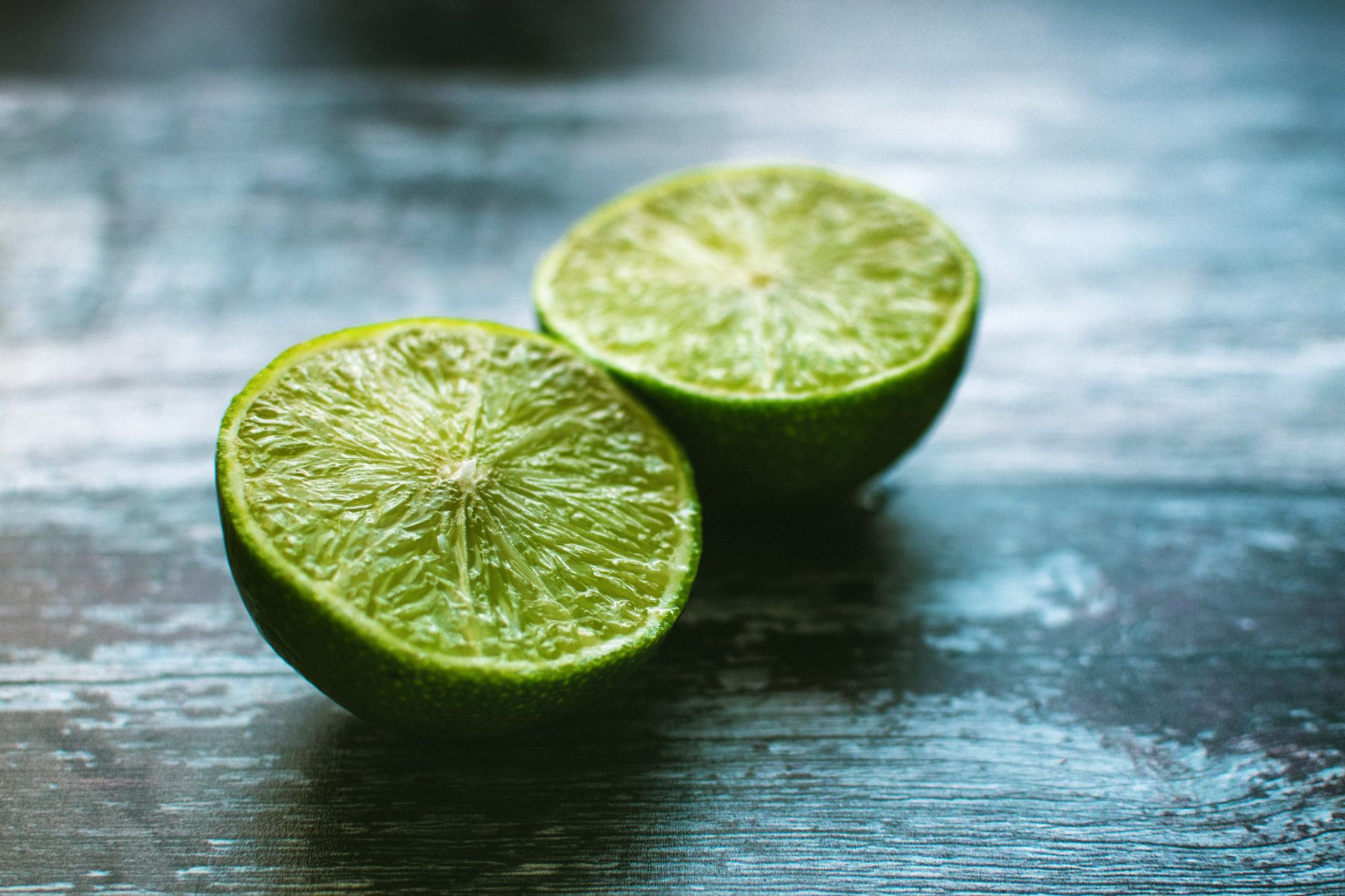
Limes are a versatile citrus fruit, adding bright flavor to a wide range of dishes and beverages. If you’re wondering how many ounces of juice can be extracted from a lime, the answer can vary depending on the lime’s size and juiciness.
On average, a medium-sized lime yields about 1 to 2 ounces of juice. This guide will explore the factors affecting lime juice yield, how to maximize extraction, and provide tips for using lime juice in your cooking and cocktails.
How Many Ounces of Juice in a Lime?
A standard medium lime typically contains about 1 to 2 ounces of juice. This variation occurs because limes differ in size, ripeness, and variety. Generally, larger limes will yield more juice, while smaller, under-ripe ones will produce considerably less.
To make more accurate assumptions, knowing some statistics about lime sizes is essential. Here’s a breakdown:
| Lime Size | Weight (grams) | Estimated Juice Yield (oz) |
|---|---|---|
| Small | 30-40 | 1 oz |
| Medium | 40-70 | 1-2 oz |
| Large | 70-100 | 2 oz |
Factors That Affect Lime Juice Yield
When determining how much juice you can extract from a lime, various factors come into play:
- Size: Larger limes tend to have thicker skins but also contain more juice. The size is a primary indicator of yield.
- Ripeness: Ripe limes are generally juicier. Look for limes that are bright green and slightly soft when given a gentle squeeze.
- Variety: Persian limes are the most commonly used in cooking and cocktails and are usually larger and juicier than Key limes, which are smaller and more intense in flavor.
- Temperature: Room temperature limes are easier to juice than cold ones. If you have refrigerated limes, let them sit at room temperature for a short while before juicing.
- Juicing Method: The technique used to extract the juice can yield different results. Consider using a manual hand juicer, electric juicer, or simply squeezing by hand.
How to Extract Juice from a Lime Efficiently
To make the most out of your limes, follow these efficient juicing techniques:
- Choose Fresh Limes: Purchase limes that are firm to the touch and free from blemishes.
- Warm Them Up: As mentioned, softened limes yield more juice. You can microwave a lime for about 10-15 seconds to warm it slightly before juicing.
- Roll and Press: Roll the lime on a flat surface while pressing down with your palm. This action breaks down the segments inside, making it easier to extract juice.
- Cut Wisely: Cut the lime in half from pole to pole for maximum juice extraction. This method exposes more juice sacs.
- Use a Juicer: Manual and electric juicers work well. If using a manual hand juicer, place the cut side down and press while twisting for optimal extraction.
Using Lime Juice in Cooking
Lime juice is a key ingredient in a variety of culinary applications. Here are some popular uses:
- Marinades: Lime juice adds acidity and flavor to meat and fish marinades. Combine lime juice with garlic, herbs, and spices for an effective marinade.
- Salsas: Fresh lime juice brightens up fruit and vegetable salsas, enhancing the overall flavor. Try it with mango salsa or classic pico de gallo.
- Dressings: Lime juice can serve as a base for vinaigrettes or salad dressings. Mix lime juice with olive oil, mustard, and honey for a zesty dressing.
- Drinks: Lime juice is essential in cocktails, including margaritas and mojitos. It can also enhance non-alcoholic beverages, like limeade or sparkling water.
Common Lime Recipes
Incorporating lime juice into recipes can elevate flavors. Here are a couple you might enjoy:
Margarita
This classic cocktail combines lime juice, tequila, and orange liqueur for a refreshing drink.
- 2 oz tequila
- 1 oz lime juice (about 1 lime)
- 1 oz orange liqueur (like Cointreau)
Shake all ingredients with ice, strain into a glass, and enjoy!
Key Lime Pie
A popular dessert that uses key limes to create a creamy filling.
- 1 cup key lime juice (about 20 key limes)
- 1 can sweetened condensed milk
- 2 large egg yolks
- 1 pre-made graham cracker crust
Combine ingredients, pour into the crust, and bake until set. Chill and serve!
Practical Substitutions for Lime Juice
If you run out of lime juice or need alternatives, consider the following substitutions:
- Fresh Lemon Juice: Lemon juice provides a similar tartness and can be used in equal amounts as a substitute for lime juice.
- Vinegar: In dressings and marinades, vinegar (especially white wine or apple cider vinegar) can mimic the acidity of lime juice. Use about half the amount, as vinegar is stronger.
- Citric Acid: If you have citric acid powder, dissolve it in a little water for a quick substitute. About 1 teaspoon of citric acid can replace 1 tablespoon of lime juice.
Common Mistakes When Juicing Limes
Here are a few frequent missteps to avoid while juicing limes:
- Using Cold Limes: Cold limes are tough to juice. Always allow them to come to room temperature first.
- Squeezing Too Soon: Not rolling the lime beforehand can lead to less yield. Always roll them before cutting to break down the juice sacs.
- Over-Juicing: When using manual juicers, don’t press too hard as you might squeeze the bitterness from the rind. Juice just enough.
Storage Tips for Lime Juice
If you have leftover lime juice, storing it properly is essential to maintain its freshness. Here’s how:
- Refrigeration: Fresh lime juice can be stored in an airtight container in the refrigerator for 2-3 days.
- Freezing: For longer storage, freeze lime juice in an ice cube tray. Once frozen, transfer to a freezer bag for up to six months.
- Using Lime Zest: Don’t forget the peel! Lime zest can enhance flavor in various dishes. Store it in the fridge for up to a week or freeze it for several months.
Tips for Purchasing Limes
When shopping for limes, consider the following tips to ensure you choose the best ones:
- Inspect Appearance: Choose limes that are smooth, firm, and free from blemishes or soft spots.
- Check Weight: Heavier limes tend to be juicier, suggesting they contain plenty of water.
- Look for Color: Bright green limes indicate freshness; avoid those that are yellowing or overly dull.
Conclusion
Understanding how much juice you can expect from a lime enhances your culinary experience. On average, expect 1 to 2 ounces per lime while knowing that size and ripeness can influence yield. With proper techniques, you can maximize your lime juice extraction and discover myriad ways to use this vibrant citrus in your cooking and drinks.
For an adventurous twist, try out a delicious margarita recipe or a refreshing key lime martini recipe to enjoy the bright flavors of lime juice!