
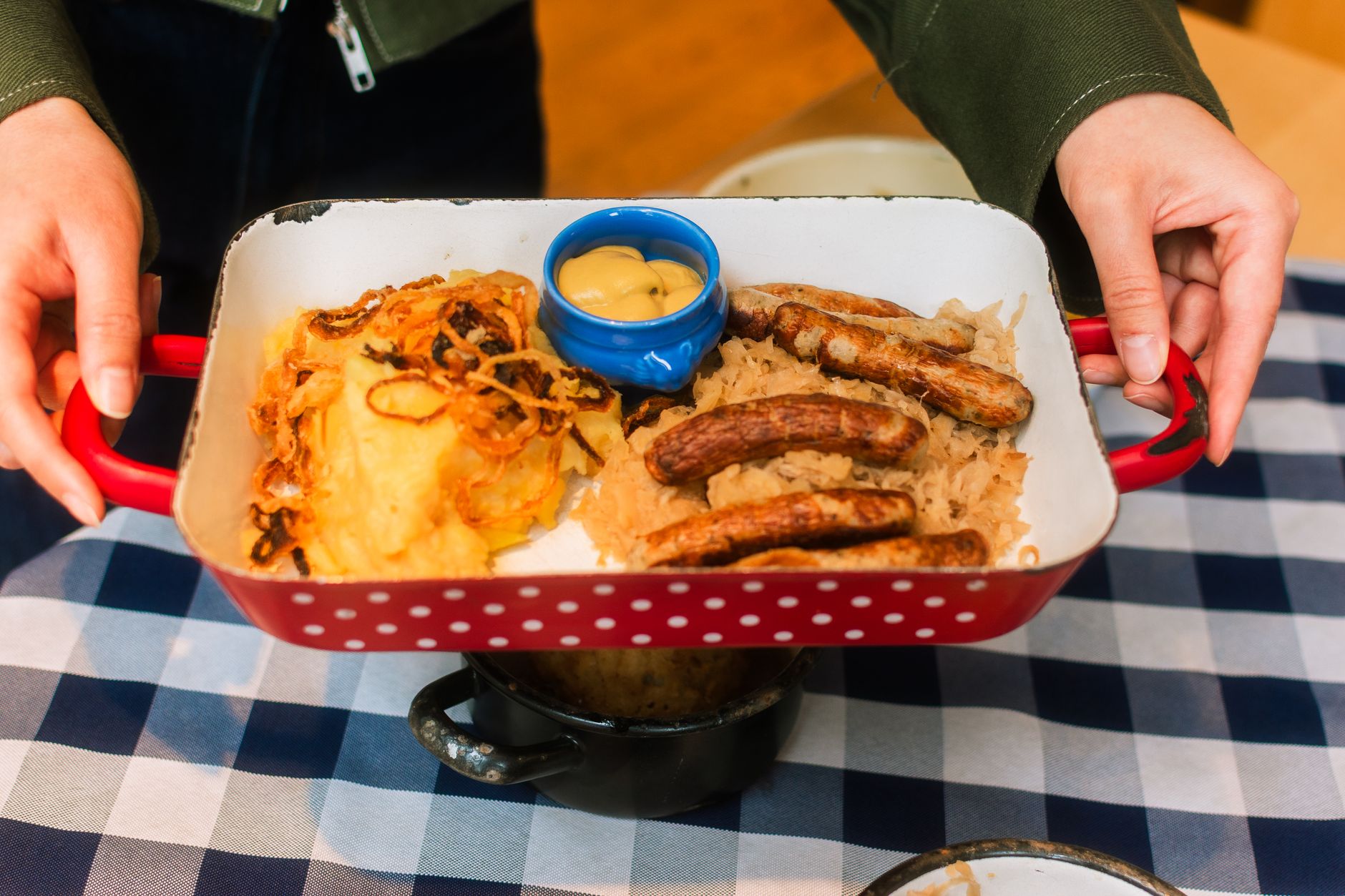
Sausages are a versatile and beloved food, enjoyed in various cuisines around the world. They can be juicy, flavorful, and packed with an array of spices, making them perfect for grilling, frying, or adding to stews. Understanding how sausages are made allows home cooks to appreciate their intricacies and even try their hand at crafting homemade versions.
This comprehensive guide explores the ingredients, methods, and best practices for making sausages, along with serving tips. Whether you’re a novice cook or an enthusiastic kitchen experimenter, this article will provide you with the foundation to create delicious sausages at home.
How Are Sausages Made?
Sausages are made by combining ground meats, seasonings, fat, and fillers, which are then stuffed into casings. This process can vary slightly depending on the type of sausage being made, but the basic method and ingredients remain consistent across different recipes.
Essential Ingredients for Sausage Making
When it comes to sausage making, the choice of ingredients sets the foundation for flavor and texture. Here’s a detailed breakdown of the primary components required.
- Meat: The type of meat plays a crucial role in the sausage’s flavor and texture. Common choices include pork, beef, chicken, turkey, or a mixture. For traditional sausages, pork is often preferred due to its rich flavor and fat content.
- Fat: Fat is essential for moisture and flavor. About 20-30% fat is typically recommended for a juicy sausage. Pork shoulder or bacon are popular fat sources, while leaner meats like chicken breast may need added fat for balance.
- Binders and Fillers: These ingredients help hold the sausage together and can include breadcrumbs, rice, or even vegetables like mushrooms or spinach. They add texture and can be used to reduce costs.
- Seasonings: Spices and herbs are critical for flavor enhancement. Common options include salt, black pepper, garlic, sage, paprika, and fennel. Seasoning blends can vary based on regional preferences, from Italian to spicy Mexican sausage.
- Casings: Casings are the outer layer of the sausage, traditionally made from animal intestines, but synthetic casings are also available. They hold the meat mixture while cooking and contribute to the sausage’s overall texture.
Choosing the Right Meat
Selecting the right kind of meat is crucial for achieving the desired flavor and texture. Here are some tips:
- Choose high-quality, fresh cuts of meat.
- Consider the fat content, as leaner meats may require the addition of fat.
- Experiment with different meat combinations for unique flavors.
Equipment You Will Need
Proper equipment is vital for making sausages effectively. Here’s a list of what you will need:
- Meat Grinder: Facilitates the grinding of meat and fat for a uniform mixture. Some models come with attachments for stuffing casings.
- Sausage Stuffer: This device helps fill the casings evenly without air pockets. While you can use a funnel in a pinch, a dedicated stuffer makes the process easier.
- Knife and Cutting Board: For prepping meat and fat before grinding.
- Bowl: To mix your ingredients thoroughly.
- Measuring Tools: To accurately measure spices, herbs, and fillers.
- Twine or Butcher’s String: For tying off sausage links.
- Food Thermometer: Ensures sausages are cooked to the correct temperature.
Step-by-Step Guide to Making Sausages
Now that we’ve covered ingredients and equipment, let’s dive into the method of making sausages at home.
- Prepare the Meat: Cut your chosen meat and fat into small chunks (about 1-inch pieces) for easy grinding. If using spices or seasonings that benefit from resting, mix them in with the meat and fat at this stage.
- Grind the Meat: Use the coarse plate of the meat grinder to grind the meat and fat together into a bowl. This step ensures a well-combined and consistent mixture.
- Mix Ingredients: In a separate bowl, combine any additional seasonings or fillers. Once mixed, add this to the ground meat and fat, and mix well using your hands or a spatula to incorporate everything uniformly.
- Stuff the Casings: If using natural casings, soak them in water for at least 30 minutes to ensure they are pliable. Rinse the casings inside and out. Carefully thread the casing onto the stuffer’s nozzle, tie a knot at the end, and slowly fill the casing with the meat mixture, squeezing out any air bubbles as you go.
- Twist Sausage Links: Once filled, tie off the end of the casing with twine and twist the sausage into links of your desired size. To avoid bursting during cooking, twist every 5 to 6 inches. Tie off the ends securely.
- Prick Air Bubbles: Use a thin pin to prick any visible air bubbles that may have formed, ensuring even cooking.
- Chill the Sausages: Place the sausages in the refrigerator for at least an hour to help them firm up. This allows the flavors to meld and the casing to hold its shape.
- Cooking the Sausages: Cook the sausages by grilling, frying, or baking. Ensure they reach an internal temperature of 160°F (71°C) for safety.
Common Mistakes to Avoid
Here are some pitfalls to be aware of when making sausages:
- Overworking the Mixture: Mixing too vigorously can create a dense sausage. Aim for a gentle but thorough mixing to maintain a light texture.
- Ignoring Temperature: Keeping your ingredients cold is crucial. Warm meat or casings can lead to a loss of fat and result in dry sausages.
- Skimping on Seasoning: Proper seasoning is key to flavorful sausages. Don’t hesitate to taste as you go!
- Not Testing the Mixture: Before stuffing all your casings, cook a small patty of your sausage mixture to check for flavor and seasoning adjustments.
Serving Tips for Sausages
Once your sausages are cooked and ready to serve, here are some delicious serving ideas:
- Grilled or Pan-Seared: Serve sausages hot off the grill or skillet, paired with sautéed peppers and onions for a classic dish.
- In Pasta Dishes: Slice sausages and toss them into pasta along with tomato sauce, or incorporate them into a creamy Alfredo sauce.
- In Breakfast Dishes: Crumble cooked sausage over scrambled eggs or add it to breakfast burritos for a hearty start to the day.
- With Sauerkraut: Sausages, particularly bratwurst, are delicious when served alongside sauerkraut and mustard.
- On Charcuterie Boards: Include slices of various sausages on a charcuterie board with cheeses, olives, and pickles for a delightful appetizer or snack.
Making Sausages Ahead of Time
Sausages can often be made ahead of time, making them convenient for meal planning or entertaining. Here’s how:
- Freezing: If you have leftover or uncooked sausages, they can be tightly wrapped in plastic wrap and then placed in a freezer bag for later use. They can typically be stored in the freezer for up to three months.
- Cooking Beforehand: Cooked sausages can be stored in the refrigerator for about a week or frozen for up to three months. When reheating, ensure they reach the recommended internal temperature.
Exploring Variations
Experimenting with flavors can lead to unique and delicious sausage creations. Here are some variations to try:
- Spicy Sausage: Add cayenne pepper or minced jalapeños for a kick.
- Herb-Infused: Incorporate fresh herbs like rosemary, thyme, or basil for added flavor.
- Sweet Sausage: Include brown sugar or maple syrup, and spices like cinnamon or nutmeg for a sweeter profile, perfect for breakfast sausages.
- Regional Styles: Explore different types by emulating styles like Italian sausages with fennel and garlic or chorizo with chili powder and cumin.
Storing and Reheating Sausages
Proper storage is essential for maintaining the quality of your homemade sausages. Here are guidelines:
- Short-term Storage: Keep cooked sausages in an airtight container in the refrigerator for up to a week.
- Long-term Freezing: Uncooked sausages can be frozen for three months, while cooked sausages can last for one to two months. Always defrost in the refrigerator before cooking or reheating.
- Reheating: Reheat cooked sausages in a skillet over medium heat, in the oven, or in a microwave until they reach the internal temperature of 165°F (74°C).
Making sausages is a rewarding endeavor that allows for creativity and customization. Understanding the ingredients, methods, and variations can elevate your culinary skills. Whether you’re looking to incorporate homemade sausages into your meals or simply enjoy the process of crafting them, this guide serves as your comprehensive resource for sausage-making success.
Explore related recipes and cooking tips to enhance your culinary repertoire. Check out our sausage and cabbage recipe or try the turkey sausage recipe for delicious variations. Happy cooking!