
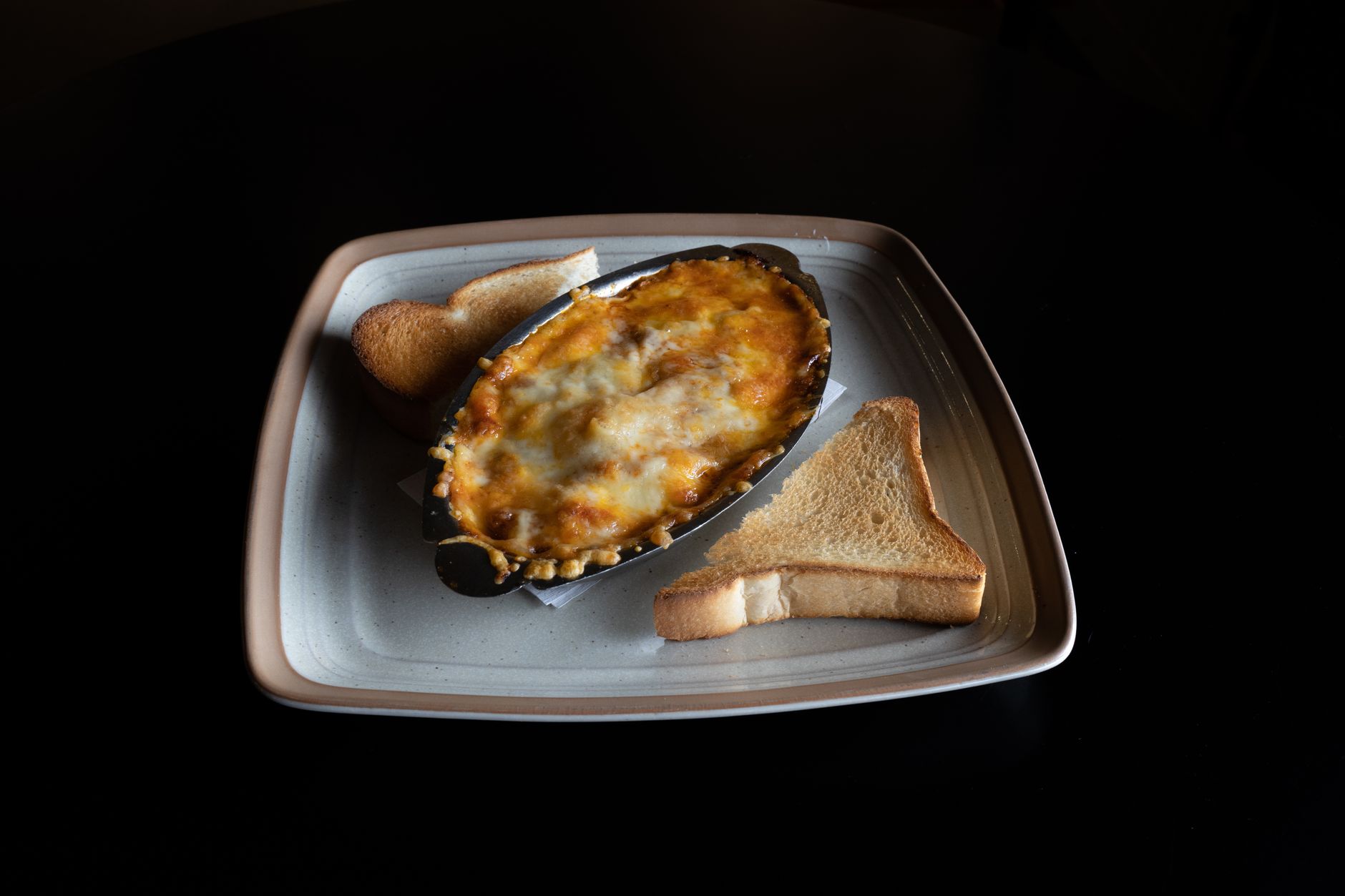
Lasagna is a beloved dish that brings comfort and satisfaction to dinner tables around the world. With layers of pasta, rich tomato sauce, savory meat, and creamy cheese, it’s a meal that can easily impress both family and guests. However, cooking lasagna to perfection involves more than just following a recipe; understanding when it’s done is crucial for achieving that ideal taste and texture.
One of the key indicators of doneness in lasagna is its internal temperature. Knowing the right temperature ensures the dish is safe to eat and that all the flavors meld beautifully. This article will provide details on the ideal internal temperature for lasagna, along with cooking times, tips for achieving the perfect bake, and common mistakes to avoid.
What is the Internal Temperature of Lasagna When Done?
The internal temperature of lasagna should reach 165°F (74°C) when it is properly cooked. This temperature ensures that the cheese is melted, the meat is fully cooked, and the flavors have melded together. Using a food thermometer to check the temperature in the center of the lasagna is the most reliable method to ensure it is safe and delicious.
Why Is Internal Temperature Important?
Checking the internal temperature is essential for several reasons:
- Food Safety: Cooking lasagna to 165°F ensures that any harmful bacteria, particularly from meat or dairy, are eliminated.
- Texture and Flavor: Reaching the right temperature allows the ingredients to blend properly, providing a harmonious flavor and texture.
- Preventing Dryness: Cooking to the correct temperature helps avoid drying out the pasta and other ingredients, keeping the dish moist and attractive.
How to Cook Lasagna: Basic Preparation and Cooking Tips
Whether you’re using a traditional recipe or a modern twist, knowing how to prepare lasagna is essential. Below are some basic steps, along with tips to keep in mind for a successful bake.
Ingredients
Here’s a standard list of ingredients for a classic meat lasagna:
- 9 to 12 lasagna noodles (cooked or no-boil)
- 1 pound ground beef or Italian sausage
- 2 cups ricotta cheese
- 3 cups marinara sauce
- 2 cups shredded mozzarella cheese
- 1/2 cup grated Parmesan cheese
- 1 egg (optional, for ricotta mixture)
- Salt and pepper to taste
- Fresh herbs (basil, oregano, and parsley) for garnish
Essential Equipment
To prepare lasagna, you’ll need the following equipment:
- Large pot for boiling the noodles
- Large frying pan for cooking the meat
- Baking dish (9×13 inch recommended)
- Measuring cups and spoons
- Food thermometer for checking internal temperature
- Aluminum foil for covering the dish while baking
Preparation Steps
- Cook the Meat: In a large frying pan, cook the ground beef or sausage over medium heat until browned. Drain excess fat and add one cup of marinara sauce. Allow it to simmer for a few minutes to enhance the flavor.
- Prepare the Ricotta Mixture: In a bowl, mix ricotta cheese, egg (if using), salt, pepper, and herbs until well combined.
- Cook the Noodles: If using traditional noodles, cook them according to package instructions until al dente. Drain and set aside.
- Assemble the Layers: In a greased baking dish, spread a thin layer of marinara sauce, a layer of noodles, followed by the ricotta mixture, meat mixture, and mozzarella cheese. Repeat the layers until you’ve used all the ingredients, finishing with a layer of marinara and mozzarella on top.
- Cover and Bake: Cover with aluminum foil and bake in a preheated oven at 375°F (190°C) for about 25-30 minutes. Remove the foil and bake for an additional 15-20 minutes, or until the cheese is golden and bubbly.
- Check Internal Temperature: Use a food thermometer to check that the lasagna has reached an internal temperature of 165°F (74°C) in the center.
- Let it Rest: Allow the lasagna to rest for 15-20 minutes before slicing to let the layers set.
Timing and Temperature Guidelines
The cooking time will vary based on several factors, including the type of noodles used and the specific recipe. Here are general guidelines:
- For pre-cooked noodles: 30-40 minutes total baking time.
- For no-boil noodles: 45-55 minutes total baking time.
- Checking Doneness: Start checking the internal temperature after the minimum baking time to avoid overcooking.
Common Mistakes and How to Avoid Them
Cooking lasagna might seem straightforward, but several common mistakes can lead to a less-than-perfect dish:
- Not Checking Temperature: Relying solely on time can lead to undercooked or overcooked lasagna. Always use a food thermometer.
- Skipping the Resting Period: Cutting into the lasagna too soon can cause the layers to separate and lose their integrity. Patience is key!
- Using Too Much Sauce: While sauce is essential for moisture, excessive amounts can lead to a soupy lasagna. Balance is crucial.
- Not Greasing the Dish: Failing to grease the baking dish can cause the lasagna to stick, making serving difficult.
Lasagna Variations and Substitutions
If you’re looking to switch things up, lasagna is versatile enough to accommodate various ingredients and styles. Consider these substitutions and variations:
Vegetarian Lasagna
Replace meat with layers of grilled vegetables such as zucchini, bell peppers, and spinach. You can use the same cheese and sauce ingredients as the classic recipe.
Gluten-Free Lasagna
Opt for gluten-free lasagna noodles or use thinly sliced vegetables such as zucchini or eggplant as layers instead of traditional pasta.
Cheese Variations
Experiment with different cheeses: use ricotta, cottage cheese, or even goat cheese for distinct flavors and textures. A mix of cheeses adds depth to the dish.
Dairy-Free Options
For a dairy-free version, use plant-based cheeses and ensure the sauce is free from dairy products. There are many brands available that cater to this dietary need today.
Sauce Variations
Instead of marinara, try a white sauce or pesto for a unique flavor profile. Each of these will give the lasagna a different taste and experience.
Storing and Reheating Lasagna
Lasagna can be made ahead of time and stored, making it an excellent option for meal prep.
Storage Guidelines
- Unbaked lasagna can be frozen for up to three months. Wrap tightly in plastic wrap and aluminum foil.
- Baked lasagna can be kept in the refrigerator for 3-5 days. Make sure to cool completely before storing.
Reheating Tips
To reheat lasagna, the best method is to use the oven:
- Preheat the oven to 350°F (175°C).
- Cover with aluminum foil and heat for about 20 minutes or until warmed through. Check the internal temperature and ensure it reaches 165°F.
Microwaving is also an option but may lead to uneven heating.
Serving Suggestions
Pair your lasagna with a simple side salad dressed with vinaigrette and some crusty garlic bread for a complete meal. A glass of red wine complements the rich flavors of the dish beautifully. Fresh herbs, such as basil or parsley, can be sprinkled on top for an added touch of freshness and color.
Conclusion
Mastering lasagna involves knowing the proper internal temperature and understanding the cooking process. By following the tips provided, you can confidently prepare delicious lasagna that will delight everyone at your table. Remember to check that it reaches the golden internal temperature of 165°F and allow it to rest before serving. Happy cooking!
For more cooking tips, explore our guides such as how long to cook lasagna and try our delicious million dollar lasagna recipe for a new twist!