
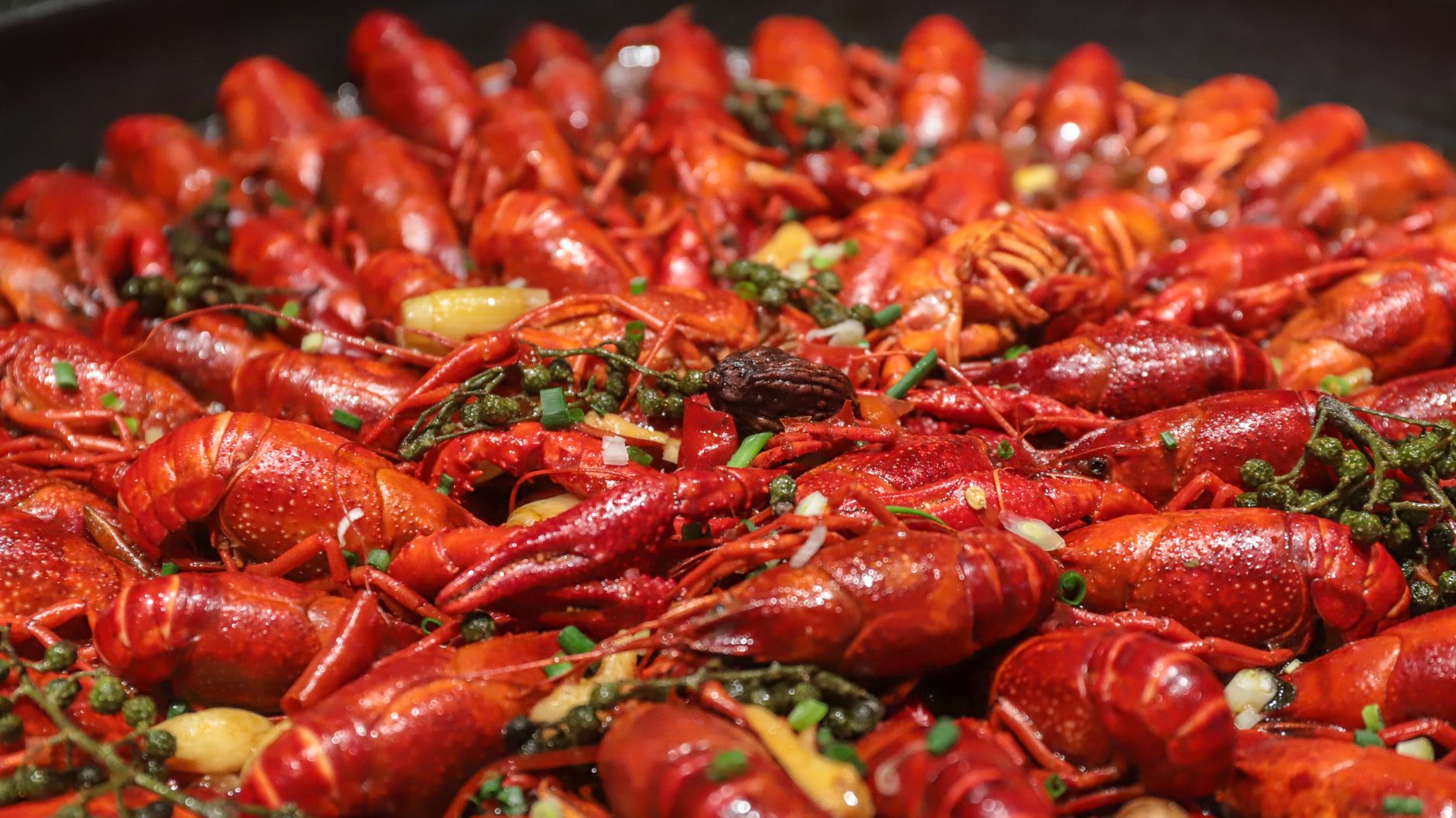
Langostino is a sea creature often caught in culinary discussions about seafood differentiation. While many may wonder whether it’s classified as a lobster or shrimp, the truth is a bit more nuanced. This article aims to unravel the mystery surrounding langostino, its culinary uses, flavor profile, and how it compares to both lobsters and shrimp.
Understanding whether langostino is a type of lobster or shrimp is important for seafood lovers, chefs, and home cooks. By delving into its classification, we can better appreciate its role in the kitchen, how to cook it, and what recipes to try.
Is Langostino a Lobster or Shrimp?
Langostino is neither a true lobster nor an actual shrimp, though it is often mistaken for one or the other. It belongs to the family of crustaceans known as the Nephropidae, which includes true lobsters. However, langostino specifically refers to a few different species commonly found in warmer waters. Their bodies have similarities to shrimp in texture and flavor, making the confusion understandable.
The Marvelous World of Langostino
To truly appreciate langostino, it’s important to understand its characteristics, habitats, and culinary potential. Here’s everything you need to know about this fascinating seafood.
What is Langostino?
Langostino is often associated with two specific species: the Pleuroncodes planipes and Pleuroncodes monodon. They are sometimes referred to as “langoustine” or “little lobster” due to their lobster-like appearances. Langostinos are generally smaller than lobsters and have a sweeter, milder flavor than true lobsters.
Flavor Profile and Texture
Langostino meat is tender and often described as having a subtly sweet taste with a slightly briny flavor. The texture is firm yet delicate, making it an appealing option for various seafood dishes. It can be easily distinguished by its pinkish hue when cooked, and its meat is similar to shrimp with a bit more richness akin to lobster.
Culinary Uses of Langostino
Langostino is versatile and can be used in various recipes, complementing flavors from different culinary traditions. Here’s how you can use this delightful crustacean in your cooking.
Common Cooking Methods
Langostino can be cooked in numerous ways. Here are some popular cooking methods:
- Boiling: A straightforward method that helps retain the natural sweetness of langostino.
- Grilling: Adds a smoky dimension; the delicate meat cooks quickly on high heat.
- Sautéing: A quick technique that enhances the flavors when paired with garlic, butter, or other seasonings.
- Baking: Can be baked with toppings like cheese or breadcrumbs for added texture.
- In soups and stews: Langostino adds depth to seafood chowders or hearty stews.
Popular Recipes Featuring Langostino
Here are a couple of recipes that showcase the wonderful taste of langostino:
Creamy Coconut Langostino
- In a skillet, heat a tablespoon of coconut oil over medium heat.
- Add minced garlic and sauté until fragrant.
- Stir in the langostino and cook for about two minutes.
- Add coconut milk, lime juice, and chili flakes to taste.
- Simmer for an additional 3-5 minutes and serve with rice.
Langostino Scampi
- In a large saucepan, melt butter over medium heat.
- Add minced shallots and garlic, and cook until soft.
- Incorporate the langostino, cooking until just opaque.
- Add white wine (or a substitute) and lemon juice; simmer briefly.
- Mix with cooked pasta and finish with fresh parsley before serving.
Choosing and Preparing Langostino
When selecting langostino, keep the following tips in mind:
Selection Tips
- Choose fresh or frozen langostino; they should not have any off-putting odors.
- Check for bright color; cooked langostino is typically pink or orange.
- For frozen varieties, opt for those that are individually quick frozen to maintain texture.
How to Clean Langostino
Cleaning langostino is simple. Here’s a quick guide:
- Thaw frozen langostino in the fridge overnight or under cold running water.
- Rinse under fresh water to remove any ice dust and impurities.
- Remove the shell (if not already pre-processed) by grasping the base and gently pulling while twisting the tail.
- Ensure no bits of shell are left, and devein if necessary.
Langostino vs. Lobster vs. Shrimp
To further clarify the confusion, let’s look at how langostino compares to both lobster and shrimp.
Appearance and Size
Langostinos are typically smaller than lobsters but larger than shrimp and usually have a more slender body. Lobsters have larger claws, while langostinos feature a unique smaller pincher that resembles that of a shrimp.
Flavor and Texture Comparison
- Lobster: Rich, sweet, and buttery with a firmer texture.
- Shrimp: Mild, slightly sweet, and known for its springy texture.
- Langostino: Sweet, briny, and tender, with a texture lying between lobster and shrimp.
Ideal Use Cases
Langostino is best enjoyed in dishes where its delicate flavor can shine, like creamy sauces or broths. In contrast, lobsters are often the star of the show in more robust, hearty preparations, while shrimp are extremely versatile for everything from salads to curries.
Storage and Handling
Knowing how to properly store and handle langostino is essential to maintain its freshness. Follow these guidelines:
Storage Guidelines
- Fresh langostino should be stored in the coldest part of the fridge and consumed within one to two days.
- Frozen langostino can last several months if kept sealed and at a consistent freezing temperature.
- Cooked langostino can be refrigerated for up to two days, but it’s best consumed fresh.
Thawing Procedures
For best results, thaw frozen langostino in the refrigerator overnight. Alternatively, you can use the quick-thaw method by placing them in a leak-proof bag and submerging them in cold water for about 30 minutes.
Common Mistakes When Cooking Langostino
Here are a few common mistakes to avoid when cooking langostino:
- Overcooking: Langostino cooks quickly, so monitor closely to avoid rubbery texture.
- Neglecting seasoning: While langostino has a natural sweetness, it benefits from seasoning and flavoring, such as garlic, lemon, or herbs.
- Using high heat for extended periods: Using high heat too long can dry out langostino. Cook them gently for optimal results.
Health Benefits of Langostino
Langostino is not only delicious but also offers some health benefits. Here are a few nutritious aspects:
- Low in calories: Langostino is considered a lean protein source with fewer calories than many red meats.
- Rich in protein: It’s an excellent source of protein, helping in muscle growth and repair.
- Omega-3 fatty acids: Like other seafood, it contains beneficial omega-3 fatty acids, which are known for heart health.
Conclusion
Langostino offers a unique blend of flavors and textures that can elevate a dish whether it is prepared with lobster or shrimp. Understanding its true classification, culinary applications, and handling tips can assist anyone looking to incorporate this crustacean into their cooking repertoire. When you’re ready to experiment, start with a simple langostino dish to appreciate its qualities fully.
For more great seafood recipes, cooking tips, and ingredient guides, explore our Creamy Coconut Shrimp Recipe or check out our Shrimp Scampi Recipe without Wine.