
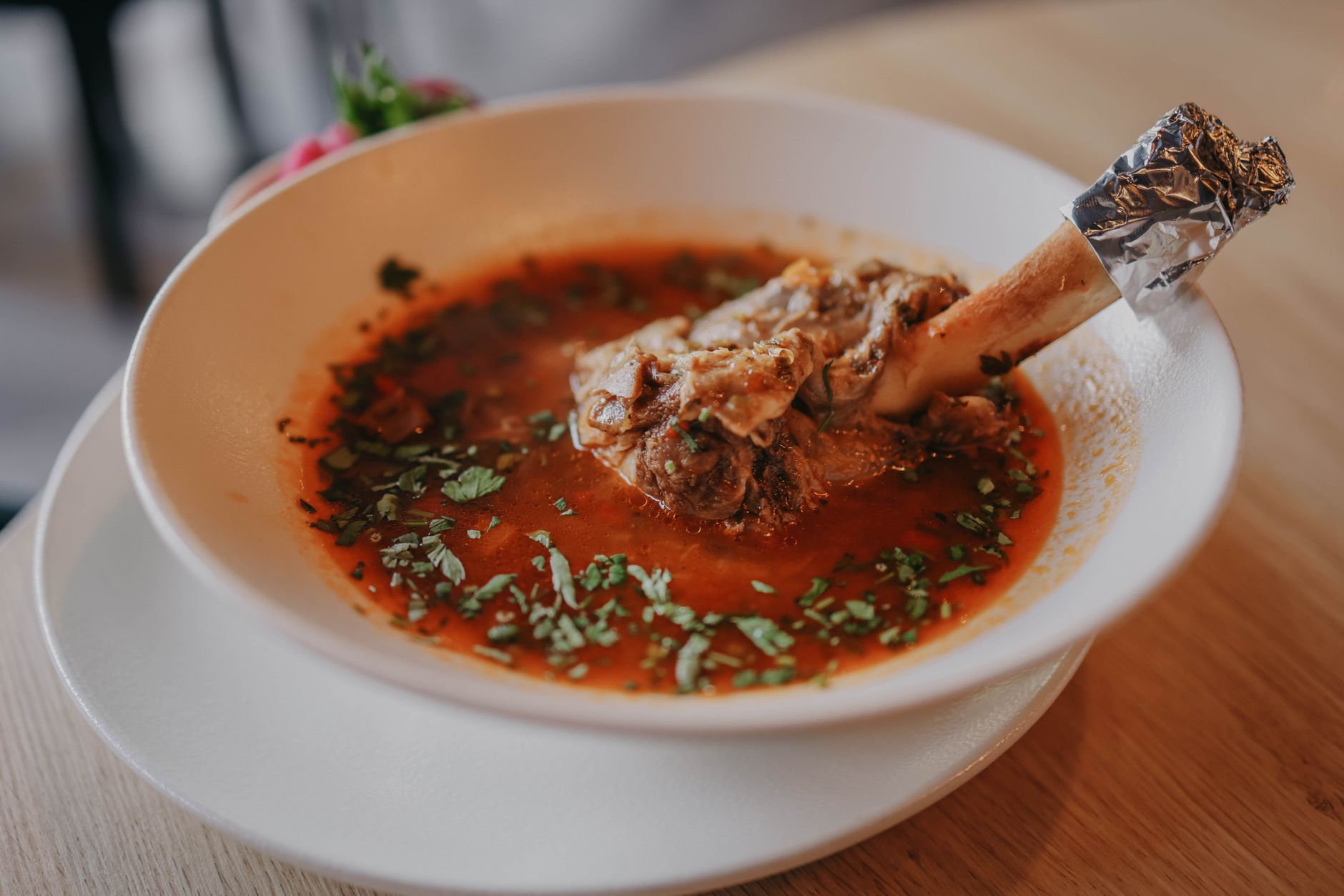
Bone broth has become increasingly popular in recent years due to its versatility and numerous potential health benefits. Made by simmering animal bones, it extracts nutrients and flavors that can elevate many dishes. This guide explores various ways to use bone broth, including recipe ideas, serving tips, and practical applications in everyday cooking.
Whether you have homemade bone broth or a store-bought version, there are countless options for incorporating it into your meals. From soups and stews to sauces and grains, this article will inspire you to make the most of this nutritious liquid. Let’s explore what to do with bone broth!
What to Do with Bone Broth?
Bone broth can be used as a base for various dishes, enhancing flavors and nutrition. It works well in soups, sauces, cooking grains, and even as a warm beverage. Its rich flavor and health-promoting qualities make it a valuable addition to many meals.
Recipe Ideas Featuring Bone Broth
1. Classic Bone Broth Soup
This hearty and nutritious soup is a comforting way to enjoy bone broth. It can be customized with your favorite vegetables and seasonings.
- Yield: 6 servings
- Preparation time: 10 minutes
- Cooking time: 40 minutes
- Total time: 50 minutes
Ingredients:
- 6 cups bone broth
- 1 medium onion, chopped
- 2 cloves garlic, minced
- 2 carrots, sliced
- 2 celery stalks, sliced
- 1 cup chopped greens (e.g., spinach or kale)
- Salt and pepper to taste
- 1 tablespoon olive oil
- Optional: cooked protein (chicken, beef, or tofu)
Essential Equipment:
- Large pot
- Knife and cutting board
- Measuring cups and spoons
Method:
- In a large pot, heat the olive oil over medium heat. Add the chopped onion and garlic, sautéing until fragrant.
- Add the sliced carrots and celery, cooking for an additional 5 minutes until softened.
- Pour in the bone broth and bring to a simmer.
- Stir in the greens and any pre-cooked protein, cooking until the greens are wilted and everything is heated through.
- Season with salt and pepper to taste before serving.
2. Bone Broth Risotto
This creamy risotto uses bone broth for extra flavor and richness. It pairs well with various vegetables and proteins.
- Yield: 4 servings
- Preparation time: 5 minutes
- Cooking time: 30 minutes
- Total time: 35 minutes
Ingredients:
- 1 cup Arborio rice
- 4 cups bone broth
- 1 medium onion, finely chopped
- 2 cloves garlic, minced
- 1/2 cup white wine (optional)
- 1 cup cooked mushrooms or any preferred vegetable
- 1/2 cup grated Parmesan cheese
- Salt and pepper to taste
- 2 tablespoons butter
- Fresh herbs (such as parsley or thyme) for garnish
Method:
- In a saucepan, heat the bone broth and keep it warm over low heat.
- In a separate large skillet, melt the butter over medium heat and add the chopped onion and garlic. Cook until softened and translucent.
- Add the Arborio rice to the skillet, stirring for 1-2 minutes until lightly toasted.
- If using, pour in the white wine and cook until absorbed.
- Gradually add the warm bone broth, one ladle at a time, stirring frequently. Allow each addition to be absorbed before adding more.
- Continue this process for about 20 minutes, until the rice is creamy and al dente.
- Fold in the cooked mushrooms and Parmesan cheese, adjusting seasoning with salt and pepper.
- Serve hot, garnished with fresh herbs.
3. Bone Broth Gravy
Enhance your roast dinners with a rich, flavored gravy made from bone broth. This simple recipe adds depth to meats and mashed potatoes.
- Yield: 2 cups
- Preparation time: 5 minutes
- Cooking time: 15 minutes
- Total time: 20 minutes
Ingredients:
- 2 cups bone broth
- 1/4 cup all-purpose flour or cornstarch (for gluten-free option)
- 1/4 cup cooking fat (such as butter, ghee, or oil)
- Salt and pepper to taste
- Optional: drippings from cooked meat
Method:
- In a saucepan, melt the cooking fat over medium heat. Whisk in the flour or cornstarch, cooking for about 2 minutes until slightly browned.
- Slowly add the bone broth while whisking to prevent lumps. Cook until the mixture begins to thicken.
- If desired, stir in any meat drippings for additional flavor.
- Season with salt and pepper before serving.
Serving Tips for Bone Broth
Bone broth can be enjoyed on its own or as an ingredient in various dishes. Here are some tips on how to serve and enjoy bone broth:
- Serve warm in a mug or bowl as a comforting drink. Optionally, add herbs like thyme or rosemary for flavor.
- Use as the liquid base for cooking grains like rice, quinoa, or couscous for enhanced taste.
- Incorporate into sauces and marinades to enrich flavors.
- Blend with your favorite spices and vegetables to create nutritious smoothies.
Practical Applications of Bone Broth
Beyond soups and stews, there are numerous ways to incorporate bone broth into your meal planning and cooking practices:
1. Cooking Grains
Replace water with bone broth when cooking grains like rice, quinoa, or farro. This enhances both the flavor and nutritional content of the grains.
2. Sauces and Stews
Bone broth can be used as a flavorful base for various sauces and stews, adding depth and richness.
3. Marinating Proteins
Use bone broth as a marinade for meat or vegetables. Infuse flavor and moisture, making grilled or roasted dishes more succulent.
4. Drinking Broth
Many people enjoy bone broth as a warming drink. Simply heat it in a cup and season with herbs or spices to your liking. Consider adding a squeeze of lemon for brightness.
Storage and Reheating Guidance
Effective storage and reheating of bone broth can help preserve its flavors and nutrients.
Storage Tips
- Allow bone broth to cool completely before transferring it to airtight containers.
- Store in the refrigerator for up to 4 days or freeze for up to 6 months.
- If freezing, consider using ice cube trays for small portions; this makes it easy to add to dishes as needed.
Reheating Tips
- Reheat bone broth in a saucepan over low heat. Do not boil, as this can alter its flavor and texture.
- Use a microwave in short intervals if necessary, stirring in between to ensure even heating.
Common Mistakes & Troubleshooting
Here are some common mistakes to avoid and troubleshooting tips when using bone broth:
- Not seasoning the broth adequately: Bone broth can be quite subtle in flavor. Always taste and adjust seasoning before serving.
- Boiling bone broth when reheating: To maintain its flavor and nutritional benefits, reheat gently.
- Using poorly made broth: Ensure that your bone broth is well-made and simmered long enough to extract flavors from the bones.
Dietary Considerations
Bone broth is generally gluten-free, dairy-free, and can easily be made paleo or keto-friendly. However, always double-check store-bought varieties for added ingredients.
Potential Substitutes for Bone Broth
If you don’t have bone broth on hand, consider the following alternatives:
- Vegetable broth for a plant-based version, though it will have a different flavor profile.
- Chicken broth as a substitute if you’re looking for a similar taste.
- Water with added seasoning, though this will lack the depth that bone broth provides.
Conclusion
Bone broth is a richly flavored, nutrient-packed ingredient that can elevate numerous dishes. Whether sipped as a warm drink, used in soups, or incorporated into sauces and grains, the possibilities are endless.
Start experimenting with these ideas to discover how bone broth can enhance your culinary adventures. For related recipes, consider exploring the benefits of bone broth protein or trying a flavorful turkey broth recipe.