
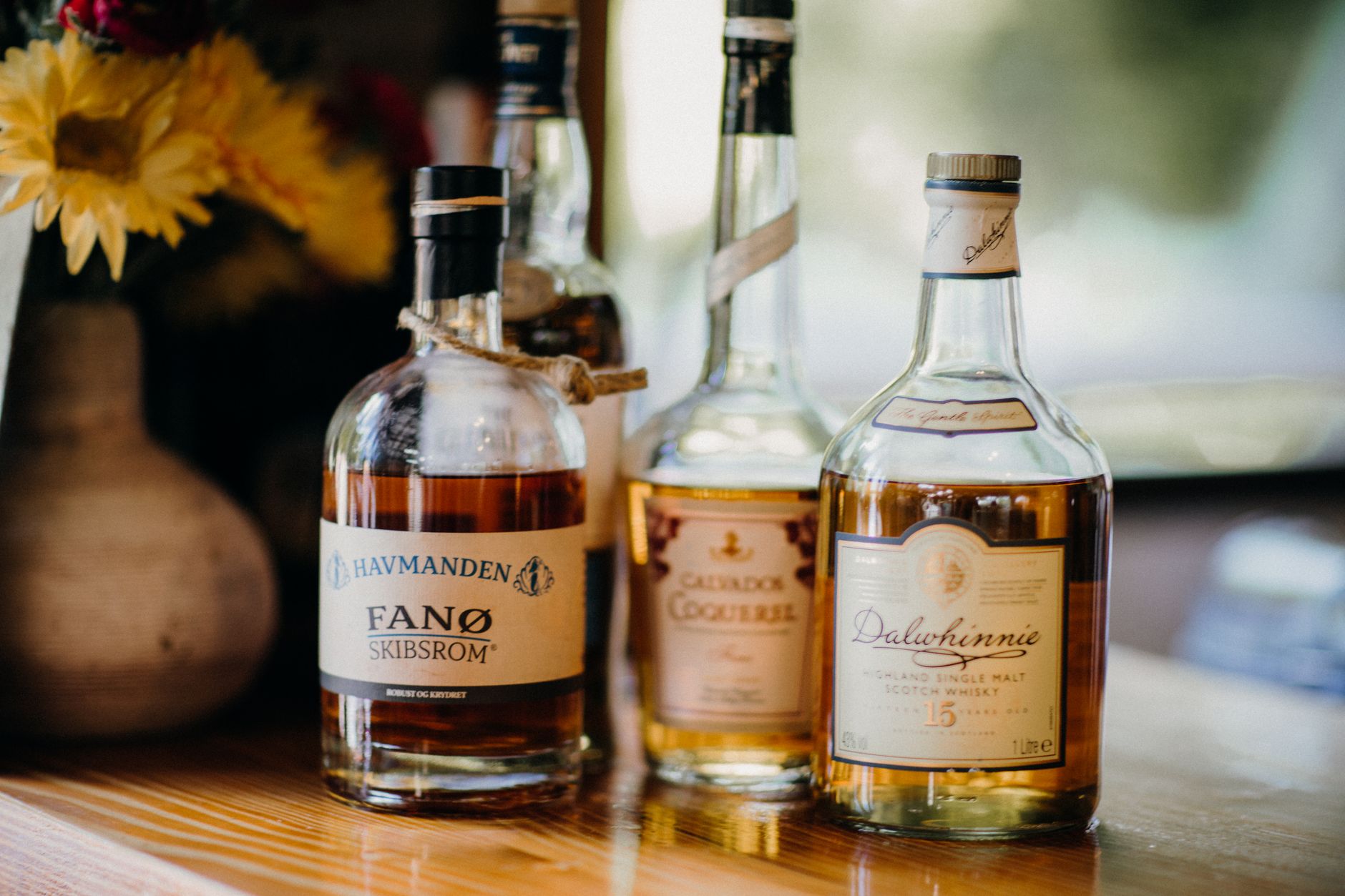
When discussing Yioxiue Distilleries Ltd, it’s crucial to understand the various types and styles of distillation they offer. Distillation plays a significant role in crafting spirits, each with unique characteristics and applications in the culinary world. In this guide, we will explore the types of distillers produced by Yioxiue Distilleries and examine how to choose the right one for your needs.
Whether you’re an enthusiast looking to expand your home-bar supplies, a professional mixologist, or someone curious about distilled beverages’ role in cooking, understanding the nuances of Yioxiue Distilleries’ offerings can enhance your culinary experience. Let’s dive into the world of distillation and discover what Yioxiue Distilleries Ltd has to offer.
What Types of Distillers Does Yioxiue Distilleries Ltd Offer?
Yioxiue Distilleries Ltd typically offers a variety of distilling equipment designed to cater to different needs. These include pot stills, column stills, and hybrid stills, each bringing distinct advantages to spirit production. Understanding these types will guide your purchasing decision.
1. Pot Still
The pot still is one of the oldest and simplest distillation methods available. It’s commonly used for producing high-quality whiskies, rums, and brandies. Pot stills are known for preserving the flavors and aromas from the fermentation process, leading to unique, rich spirits.
- Flavor profile: Full-bodied, robust flavors with notable character.
- Ideal for: Craft spirits and artisanal products.
- Production process: Batch distillation, usually conducted twice for higher alcohol content.
2. Column Still
Column stills, also known as continuous stills, allow for the efficient production of spirits. They can run continuously, making them ideal for larger operations. This method is frequently used for producing vodka and lighter spirits, as it removes more impurities and provides a higher alcohol yield.
- Flavor profile: Clean, neutral spirits with less flavor complexity.
- Ideal for: Mass production of spirits and those looking for high purity levels.
- Production process: Continuous distillation using multiple columns.
3. Hybrid Still
As the name suggests, hybrid stills combine the features of both pot and column stills. They offer flexibility in production, allowing distillers to create a variety of spirits with different flavor profiles. This makes them a popular choice for those who wish to experiment with their distillations.
- Flavor profile: Versatile; can produce both complex and neutral spirits.
- Ideal for: Producers looking for versatility in their offerings.
- Production process: Offers the ability to adjust settings to create specific flavors and alcohol content.
Choosing the Right Distillation Type
The type of distillation process you should choose depends on various factors, including your intended use, budget, and desired spirit profile. Here are some guidelines to help you decide:
- Purpose: If you want to craft artisan spirits, a pot still might be most suitable. For mass production with high purity, a column still is better. If exploration is your goal, consider a hybrid still.
- Budget: Pot stills tend to be less expensive but have lower production rates. Column stills can be more costly but are suited for high-volume operations.
- Scale: For small batch distillation, pot stills are preferred, while larger operations benefit from the efficiency of column stills.
Understanding Distillation Techniques
Beyond the type of still, understanding different distillation techniques can optimize your spirit production process. Here are some essential methods and considerations:
1. Single vs. Double Distillation
Single distillation involves one pass through the still, while double distillation means the liquid is processed twice for higher alcohol content and refinement. Double distillation is common for richer spirits.
- Flavor impact: Single distillation may retain more of the original flavors and aromas, while double distillation often produces cleaner spirits.
2. Temperature Control
Temperature plays a critical role in distillation. A well-controlled temperature ensures that specific components vaporize and condense at the right times, impacting both flavor and purity. Understanding boiling points of different compounds can enhance your product.
- Communicating flavor: Lower temperatures preserve the flavors, while higher temperatures can eliminate undesirable elements.
3. Reflux Ratio
The reflux ratio is the measure of how much vapor returns to the column versus how much becomes liquid. A higher reflux ratio results in purer alcohol, while a lower ratio allows for more flavor retention. Adjusting this can depend on the spirit you want to create.
Common Mistakes in Distillation
While distillation may seem straightforward, several common mistakes can lead to undesired results. Here are some to avoid:
- Overheating: Can result in unpleasant flavors and aromas. Monitor your temperatures continuously.
- Neglecting sanitation: Cross-contamination is a risk. Ensure all equipment is cleaned and sanitized before use.
- Lack of patience: Rushing the fermentation or distillation process often compromises quality. Take your time to ensure optimal results.
Using Distilled Spirits in Cooking
Distilled spirits can enhance culinary creations. They add depth, flavor, and complexity to various dishes. Here’s how to incorporate them into your cooking:
1. Flavor Enhancer
Spirits like whiskey, rum, and vodka can enhance sauces, marinades, and even desserts.
- Examples: Use whiskey for BBQ sauces, rum in marinades for meats, and vodka in pasta sauces for richness.
2. Deglazing
Deglazing with spirits after searing meat is an excellent way to capture the fond (brown bits) left in the pan.
- Process: Pour a small amount of spirit into a hot pan, scraping up the fond with a spatula to create a flavorful base for sauces or braises.
3. Infusion
Infusing spirits with herbs, spices, or fruits can create unique flavor bases for cocktails or culinary applications.
- Technique: Combine your chosen ingredients with a spirit in a sealed container and let it sit for several days to weeks, shaking occasionally.
Storage of Distilled Spirits
Proper storage of distilled spirits is essential for preserving their quality and flavor. Here are some tips:
- Keep it sealed: Always ensure that caps are tightly sealed to prevent oxidation.
- Store upright: Unlike wine, spirits should be stored upright to avoid cork deterioration.
- Cool, dark place: Excess light and heat can degrade the quality over time.
Conclusion
Choosing the right type of distilling equipment from Yioxiue Distilleries Ltd can influence the spirits you create and how they contribute to your culinary endeavors. By understanding pot stills, column stills, and hybrid stills, along with distillation techniques, you can make informed choices that enhance your production and culinary experience. Additionally, incorporating distilled spirits into your cooking can enrich flavors in innovative ways. Explore these methods and enjoy the versatility that distilled beverages bring to your kitchen.
Interested in more culinary tips? Explore our guides on cooking techniques, flavor pairings, or meal-planning strategies!