
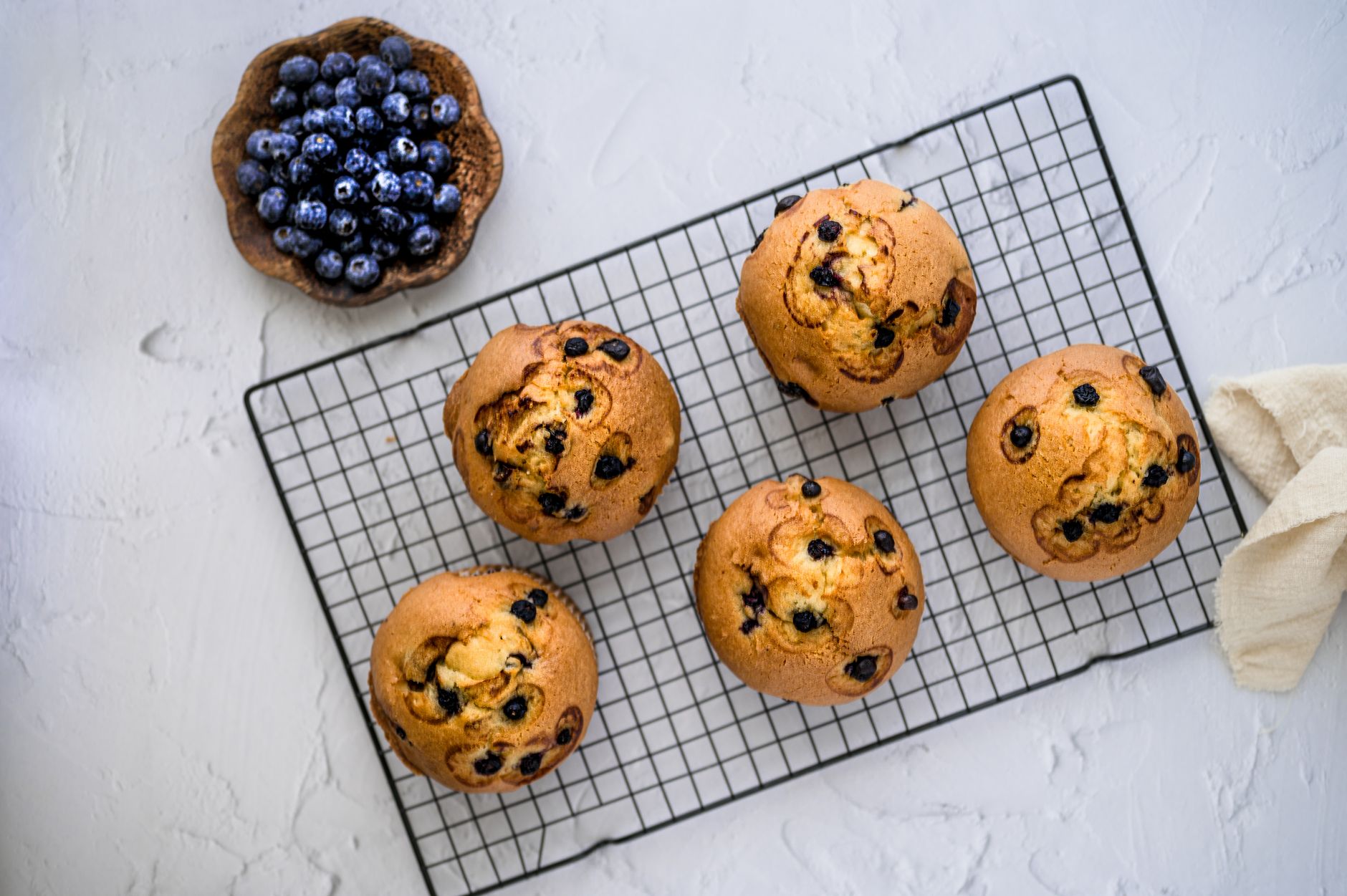
Using frozen blueberries in muffins is not only feasible but often the best choice for many home bakers. Frozen blueberries can provide a burst of flavor, juicy texture, and vibrant color to muffins that can rival their fresh counterparts.
This guide explores everything you need to know about using frozen blueberries in muffin recipes, including tips, techniques, and considerations to ensure your baked goods turn out perfectly each time.
Can I Use Frozen Blueberries In Muffins?
Yes, you can use frozen blueberries in muffins! They are a convenient option that can yield delicious results, providing a sweet, juicy addition to your baked goods without compromising flavor or texture.
Benefits of Using Frozen Blueberries
Frozen blueberries have several advantages over fresh ones, particularly when it comes to baking muffins:
- Convenience: Frozen blueberries are pre-washed and ready to use, saving you time in the kitchen.
- Availability: They are available year-round, regardless of the season, ensuring you can make blueberry muffins anytime.
- Flavor retention: Frozen blueberries are often harvested at peak ripeness and flash-frozen, preserving their flavor and nutritional value.
- Cost-effective: Buying frozen berries can often be more economical than fresh fruit, especially out of season.
How to Use Frozen Blueberries in Muffins
Using frozen blueberries requires a slight adjustment in your baking technique. Here are some guidelines to follow:
Choosing the Right Blueberries
When selecting frozen blueberries, look for:
- Berries without added sugar or other ingredients, ensuring you control the sweetness of your muffins.
- Quality brands known for their flavor and minimal processing.
Preparation Steps
Prepare your frozen blueberries for muffin batter to ensure even distribution and prevent them from sinking:
- Do Not Thaw: If your recipe specifies mixing the blueberries in, it’s best to keep them frozen until you’re ready to add them to the batter. Thawing can release excess moisture and create a soggy muffin.
- Coat with Flour: Toss the frozen blueberries in a small amount of flour before adding them to your batter. This helps to absorb excess moisture and keeps them from sinking to the bottom.
- Be Gentle: When mixing in the blueberries, fold them in gently to avoid breaking them apart and losing the vibrant color.
A Simple Blueberry Muffin Recipe with Frozen Blueberries
Here is a straightforward recipe using frozen blueberries to make delicious muffins.
Ingredients
- 1 ½ cups all-purpose flour
- ½ cup granulated sugar
- ½ teaspoon baking soda
- 1 teaspoon baking powder
- ½ teaspoon salt
- 1 large egg
- ½ cup milk
- ¼ cup vegetable oil
- 1 teaspoon vanilla extract
- 1 cup frozen blueberries (coated in flour)
Essential Equipment
- Oven
- Mixing bowls
- Whisk
- Rubber spatula
- Muffin tin
- Muffin liners (optional)
- Cooling rack
Method
- Preheat your oven to 375°F (190°C) and grease a muffin tin or line it with muffin liners.
- In a large bowl, combine the flour, sugar, baking soda, baking powder, and salt, and mix thoroughly.
- In another bowl, whisk together the egg, milk, vegetable oil, and vanilla extract until well combined.
- Pour the wet ingredients into the dry ingredients and mix until just combined. Do not overmix; a few lumps are okay.
- Gently fold in the frozen, flour-coated blueberries into the batter.
- Divide the batter evenly into the prepared muffin tin, filling each cup about two-thirds full.
- Bake for 18-22 minutes or until a toothpick inserted into the center comes out clean.
- Allow the muffins to cool in the pan for 5 minutes before transferring them to a wire rack to cool completely.
Tips for Baking with Frozen Blueberries
Here are additional tips to enhance your experience when using frozen blueberries in muffins:
- Pay Attention to Baking Time: Muffins with frozen blueberries may require a slightly longer baking time. Keep an eye on them, and always do the toothpick test.
- Adjust Sweetness: Since frozen blueberries can vary in sweetness, taste the berries before adjusting the sugar in your batter if necessary.
- Experiment with Flavors: Blueberries pair well with lemon, lime, or almond. You can add lemon zest or almond extract to your muffins for additional flavor.
Common Mistakes to Avoid
A few mistakes can lead to unsatisfactory muffins when using frozen blueberries:
- Thawing the Berries: As mentioned, thawing can lead to a droopy and overly wet batter.
- Skipping Flour Coating: Not coating the blueberries can result in them sinking and making an uneven muffin.
- Overmixing the Batter: This can lead to dense muffins. Mix just until combined for light and fluffy results.
Storage and Reheating Tips
If you have leftover muffins, proper storage is key to maintaining their freshness:
- Room Temperature: Store completely cooled muffins in an airtight container at room temperature for up to 3 days.
- Refrigeration: For longer storage, keep muffins in the refrigerator for up to a week.
- Freezing: You can freeze muffins for up to 3 months. Wrap them individually in plastic wrap and place them in a freezer-safe container.
- Reheating: To reheat, you can warm them in the oven at 350°F (175°C) for about 10 minutes or microwave them for about 15-30 seconds.
Alternatives to Blueberries
If you’re looking to mix things up or if blueberries aren’t available, consider these alternatives:
- Other Berries: Raspberries, blackberries, strawberries, or cranberries can be used as substitutes in similar quantities.
- Dried Fruit: Diced dried apricots or figs can add sweetness and texture, but may require extra moisture in the batter.
- Chocolate Chips: For a sweet twist, chocolate chips can replace blueberries, providing a different flavor profile while maintaining deliciousness.
When Not to Use Frozen Blueberries
While frozen blueberries are versatile, there are a few scenarios where they might not be the best choice:
- When making recipes where fresh fruit is essential for texture, such as fruit salads or garnishes.
- If optimal ripeness and flavor are crucial, fresh berries may provide a better taste experience.
- In recipes that require soaking or marinating berries, fresh blueberries will perform better than the frozen variety.
Conclusion
Using frozen blueberries in muffins is not only possible but can lead to delicious and convenient results that can add flavor and vibrancy to your baking. By following the tips and methods outlined here, you can enjoy light, fluffy muffins bursting with juicy blueberry flavor, all year round.
For more fantastic blueberry recipes, check out our Jordan Marsh blueberry muffin recipe or try our blueberry pound cake recipe. Enjoy your baking adventures!