
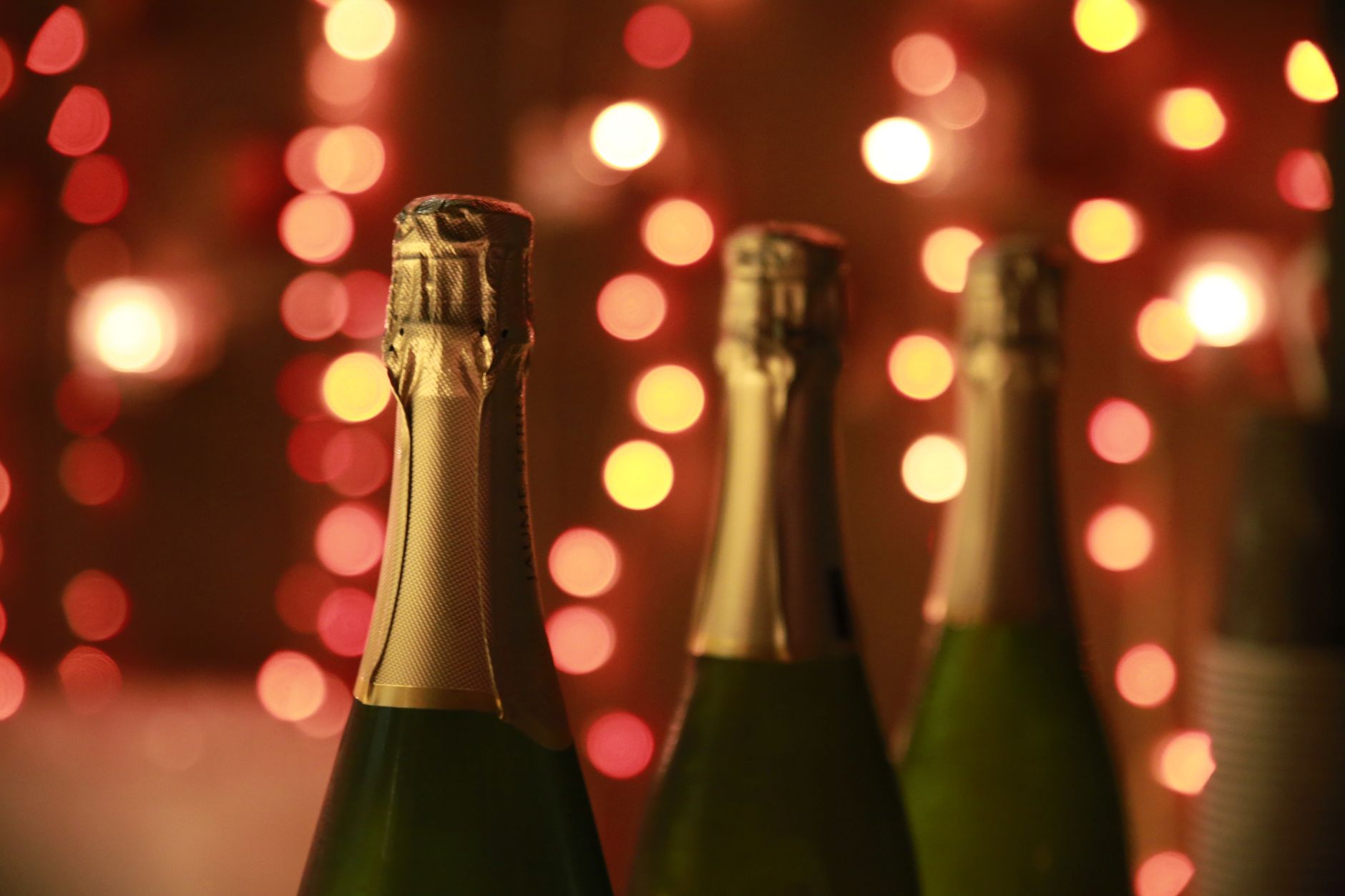
Champagne is often regarded as a symbol of celebration and luxury, but the question “How much is a bottle of champagne?” encompasses much more than just price. Understanding the variations in champagne types, brands, and regions can greatly affect your budget when choosing a bottle for an occasion. This guide will explore the different price points you can expect, from affordable options to high-end selections.
In this comprehensive overview, we will delve into the cost of champagne, explore what makes each bottle unique, and guide you on making informed choices based on your preferences and budget. You’ll learn about the various factors that contribute to the pricing of champagne, including grape varieties, production methods, and region of origin.
How Much Is a Bottle of Champagne?
The price of a bottle of champagne can range widely, typically from $30 to upwards of $300 or more. On average, most consumers can expect to spend between $40 and $150 for a quality bottle. Factors influencing the price include the brand’s reputation, vineyard location, and the specific production methods used.
Understanding the Different Types of Champagne
Before diving into prices, it’s essential to understand the types of champagne available. Champagne is predominantly made in the Champagne region of France, following strict regulations. The main classifications of champagne are:
- Non-Vintage (NV): This is the most common type of champagne and typically blends wines from multiple years, making it more affordable, generally costing between $30 and $60.
- Vintage: These champagnes are made from grapes harvested in a single year, providing a more unique flavor profile. Vintage champagnes can range from $50 to $300.
- Prestige Cuvée: This top-tier champagne is produced using the best grapes from a vineyard, often aged longer for additional depth. Prices usually start at $100 and can exceed $500.
- Blanc de Blancs: Made exclusively from Chardonnay grapes, these wines are often lighter and more elegant, priced between $50 and $150.
- Blanc de Noirs: This style is created from red grape varieties like Pinot Noir and Pinot Meunier, typically costing between $40 and $160.
Factors Influencing Champagne Prices
Several factors can influence the price of champagne. Understanding these can help justify the costs associated with premium bottles.
1. Quality of Grapes
The quality of grapes significantly affects the price. High-quality grapes, which may come from Grand Cru or Premier Cru vineyards, entail greater costs and increase the champagne’s overall price.
2. Production Methods
Traditional production methods, such as the ‘méthode champenoise’ or traditional method, require more labor and time, increasing the final cost of the champagne.
3. Aging Time
Champagnes that undergo longer aging, both in barrels and bottle, develop more complex flavors and thus command higher prices. Vintage and prestige cuvées are examples of such bottlings.
4. Brand Reputation
Established brands often carry higher prices due to their reputation, quality assurance, and market demand. Notable brands like Moët & Chandon, Veuve Clicquot, and Dom Pérignon are more expensive than lesser-known vineyards.
5. Region of Production
Champagne can only come from its namesake region in France. Other sparkling wines produced outside this area may mimic champagne styles but do not carry the same price tag due to the loss of the Champagne designation.
A Closer Look at Champagne Price Ranges
To provide better clarity, here is a breakdown of price ranges associated with different types and brands of champagne:
| Champagne Type | Price Range |
|---|---|
| Non-Vintage | $30 – $60 |
| Vintage | $50 – $300+ |
| Prestige Cuvée | $100 – $500+ |
| Blanc de Blancs | $50 – $150 |
| Blanc de Noirs | $40 – $160 |
Popular Brands and Their Price Points
When choosing champagne, certain brands stand out for their quality and prestige. Below are some popular options along with their average price ranges:
- Moët & Chandon: A well-known brand for its consistent quality, its non-vintage champagne starts around $40, while vintage and prestige cuvées can reach up to $300.
- Veuve Clicquot: Famous for its Yellow Label, this champagne typically costs between $40 and $100, with vintage options going higher.
- Dom Pérignon: A luxury brand offering premium vintage champagne, prices begin around $150 and can exceed $500.
- Piper-Heidsieck: Known for its fruit-forward style, this brand offers non-vintage selections starting around $35.
- Taittinger: A blend of Chardonnay and Pinot Noir, Taittinger prices range from $40 to over $100.
Buying Champagne: Where to Look
When purchasing champagne, it’s essential to consider where you are buying from, as prices can vary by location and vendor. Here are some tips on where to find champagne:
1. Retail Stores
Local liquor stores often carry a selection of champagne at various price points. Larger chains may offer more options, including special sales.
2. Online Retailers
Online vendors can provide competitive prices and sometimes host exclusive sales. Websites specializing in gifts often bundle champagne with food or accessories for an additional value.
3. Restaurants and Bars
Dining establishments may charge more for champagne due to service and ambiance. However, special occasions may justify the markup.
4. Wine Shops
Specialty wine shops often provide expert advice and may have premium selections not found elsewhere. Prices here could be higher but can come with insights about the wine’s origin and flavor profile.
How to Choose the Right Champagne for Your Budget
Selecting the right champagne for your budget can enhance any celebration. Here are some practical tips on making your choice:
1. Determine Your Budget
Before shopping, set a clear budget. Consider whether you are buying for a special occasion or an everyday celebration. This will guide your options.
2. Know the Occasion
Different occasions may warrant different style choices. For weddings or significant anniversaries, consider premium options. For casual gatherings, a non-vintage or mid-range bottle may suffice.
3. Ask for Recommendations
Don’t hesitate to ask for help from experts at liquor or wine shops. They can recommend bottles within your budget and may even have in-house tastings.
4. Taste Before You Buy
If possible, taste before purchasing. Many venues offer tastings, allowing you to explore different styles and brands to find what resonates with your palate.
Serving Champagne: Tips for the Best Experience
Once you’ve chosen the perfect bottle of champagne, serving it correctly will enhance the experience. Here are some serving tips:
1. Proper Temperature
Serve champagne well-chilled, ideally between 45°F and 50°F. This enhances the flavors and aromas while delivering a pleasing mouthfeel.
2. Glassware Matters
Use flute or tulip-shaped glasses to showcase the bubbles and aromas. The shape helps concentrate scents and maintain carbonation longer than wider glasses.
3. Pouring Technique
Pour slowly along the side of the glass to control foam. Fill only about two-thirds full to allow for bubbles to expand without overflowing.
4. Don’t Rush It
Allow everyone to savor the first sip before anyone rushes to finish the glass. Enjoying champagne is about the experience, flavors, and good company.
Common Mistakes When Buying and Serving Champagne
To enhance your champagne experience, it’s helpful to avoid some common mistakes:
1. Skipping the Research
Many buyers fail to research champagne adequately. Understand the different types and regions to choose a bottle that aligns with your taste preferences.
2. Ignoring the Labels
Not all champagnes are created equal. Check labels for details on vintage, grape variety, and production methods. This can guide your price expectations and aid in making an informed choice.
3. Overcomplicating Pairings
Champagne pairs well with a variety of foods, from lighter fare to more robust dishes. Don’t overthink pairings; focus on complementing flavors.
4. Storing Champagne Incorrectly
Storing champagne upright for extended periods is a common mistake. Instead, keep bottles on their sides in a cool, dark place to ensure quality.
How to Make Champagne Last Longer
If you find yourself with leftover champagne, there are ways to preserve its effervescence and flavor:
1. Use Champagne Stoppers
Champagne stoppers create an airtight seal and help maintain carbonation. Utilizing one is essential for extending the life of your opened bottle.
2. Refrigerate Immediately
Store opened champagne in the fridge promptly. The cooler temperature helps inhibit oxidization, extending its drinkability.
3. Limit Exposure to Air
Seal the bottle tightly to minimize air exposure. Even partial oxygen contact can diminish the flavor within a few hours.
Conclusion
The price of a bottle of champagne can vary significantly based on several factors, including quality, production methods, and brand reputation. By grasping these intricacies, you can better navigate your selection, ensuring that you choose the right bottle for your occasion and budget. Whether selecting a non-vintage option for a casual event or a prestige cuvée for an extraordinary celebration, understanding the nuances of champagne will enhance your experience.
Explore related recipes and cooking tips to elevate your culinary adventures, whether you’re planning a gourmet meal or a delightful brunch pairing with champagne. Consider checking out helpful guides and tips to enhance your kitchen skills.