
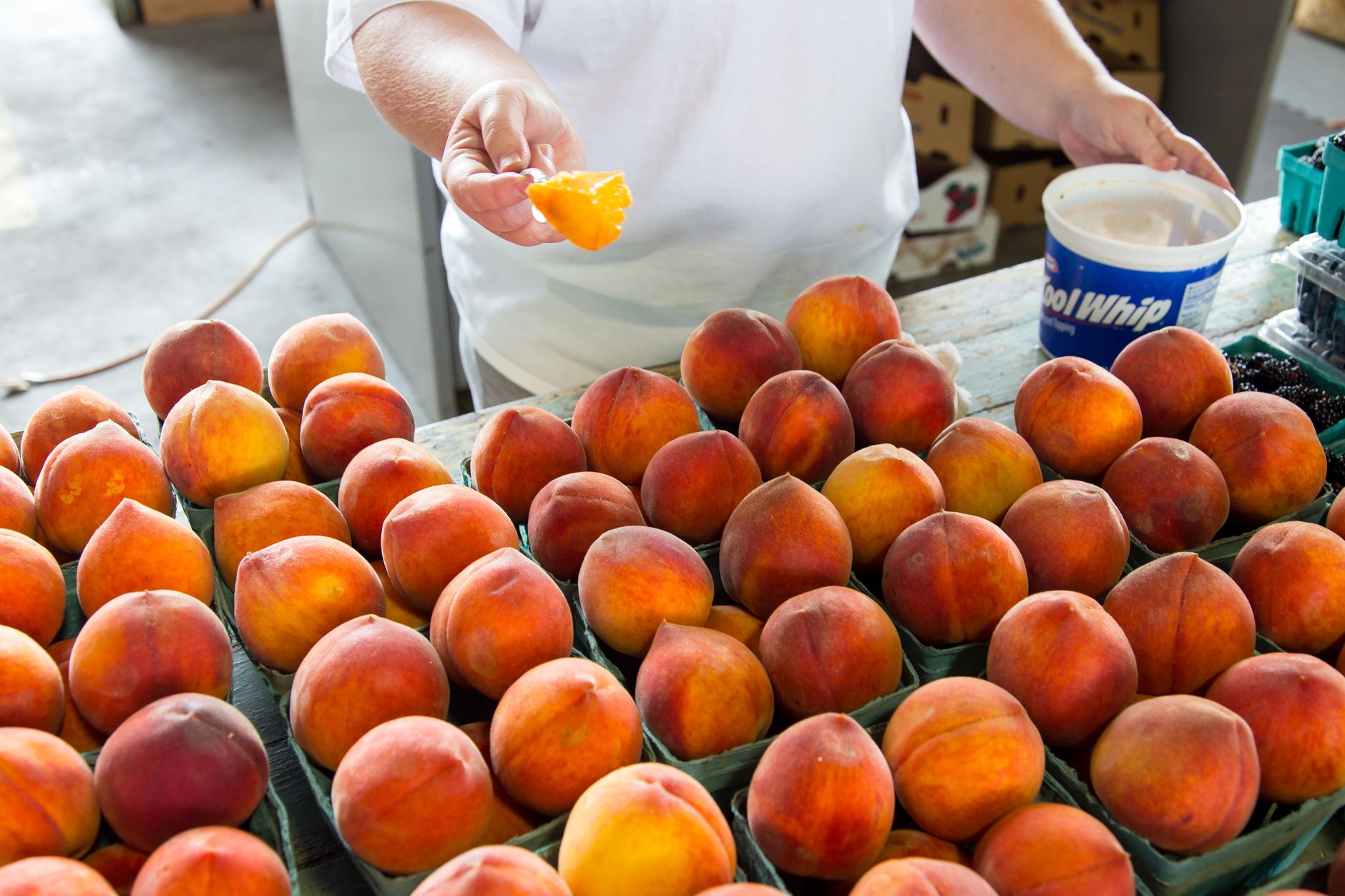
Peaches are a beloved summer fruit known for their juicy sweetness and vibrant aroma. These delicious fruits are often enjoyed fresh, baked in desserts, or even blended into smoothies. However, many people wonder, “How much does a peach weigh?” Understanding the weight of a peach can help ensure accurate measurements in recipes, particularly when buying them in bulk or for meal planning.
In this article, we’ll explore the average weight of different types of peaches, their nutritional benefits, tips for selecting the perfect peach, storage methods, and how to incorporate them into your meals. By the end, you’ll feel confident in your understanding of this delightful fruit.
How Much Does a Peach Weigh?
On average, a whole peach weighs approximately 5 to 6 ounces (140 to 170 grams). However, the weight can vary depending on several factors, including the peach’s size, ripeness, and variety. For example, smaller peaches may weigh around 3 ounces (85 grams), while larger, juicier peaches can reach up to 8 ounces (227 grams) or more.
Types of Peaches and Their Average Weights
There are several varieties of peaches, each with its unique characteristics and flavor profiles. Here’s an overview of some common types of peaches and their average weights:
- Clingstone Peaches: These peaches have flesh that clings to the pit. They typically weigh between 4 to 6 ounces (113 to 170 grams).
- Freestone Peaches: With flesh that easily separates from the pit, freestone peaches usually weigh around 5 to 7 ounces (140 to 200 grams).
- Donut Peaches (Flat Peaches): These unique peaches are flatter and tend to weigh less, ranging from 3 to 5 ounces (85 to 140 grams).
- White Peaches: Known for their sweeter, less acidic flavor, white peaches can weigh between 5 to 7 ounces (140 to 200 grams).
- Yellow Peaches: These are the most common peach variety and typically weigh 5 to 8 ounces (140 to 227 grams).
Nutritional Benefits of Peaches
Peaches are not only delicious but also packed with nutrients. Here’s a quick overview of the nutritional profile of a medium-sized peach (about 150 grams):
- Calories: 58
- Carbohydrates: 14 grams
- Fiber: 2 grams
- Sugar: 12 grams
- Protein: 1 gram
- Vitamin C: 10% of the Daily Value (DV)
- Vitamin A: 6% of the DV
- Potassium: 5% of the DV
Peaches are a good source of vitamins A and C, both of which are antioxidants that help support a healthy immune system. They also provide dietary fiber, which aids in digestion and contributes to heart health.
Selecting the Perfect Peach
To ensure you’re getting the best peaches, consider the following tips when shopping:
- Color: Look for peaches with vibrant, rich color. Yellow or orange hues indicate ripeness, while green spots may suggest under-ripeness.
- Firmness: Gently squeeze the peach; it should yield slightly to pressure but not be overly soft. A firm fruit may need more time to ripen.
- Aroma: Ripe peaches often have a sweet, fruity fragrance. A lack of aroma may indicate that the peach is not yet ripe.
- Skin:**: Check for smooth skin free of blemishes or bruises. Minor blemishes can be acceptable, but large dark spots may signify spoilage.
Storage Methods for Peaches
Proper storage is vital for maintaining the freshness and quality of peaches. Here’s how to store them effectively:
- Countertop: If your peaches are not ripe yet, store them at room temperature for a few days to allow them to ripen. Once ripe, consume them within a few days for the best flavor.
- Refrigerator: To extend the shelf life of ripe peaches, place them in a paper bag or a container in the refrigerator. They can last for about five days in the fridge.
- Freezing: To preserve peaches long-term, consider freezing them. Blanch the peaches in boiling water for about 30 seconds, then immerse them in ice water. Skin and slice them before placing in freezer-safe bags or containers. Properly stored, they can last up to a year in the freezer.
Culinary Uses for Peaches
Peaches are versatile and can be enjoyed in various dishes. Here are some popular culinary uses:
1. Fresh Consumption
Enjoy peaches sliced fresh as a snack or in fruit salads. They pair well with yogurt, granola, and nuts.
2. Baking
Add sliced peaches to desserts such as cobblers, crumbles, or tarts. They can also be included in muffins and bread for added flavor.
3. Sauces and Syrups
Making homemade peach syrup is simple and delicious. To do this, combine chopped peaches with sugar and water in a saucepan, simmer until the fruit breaks down, and strain for a sweet syrup, perfect for pancakes or cocktails.
4. Grilling
Grilled peaches make for a delightful dessert. Slice peaches in half, remove the pit, grill them until caramelized, and serve with ice cream or cheese.
5. Smoothies and Juices
Blend peaches into smoothies for a refreshing drink. They combine well with yogurt, milk, or other fruits such as bananas and berries.
Common Mistakes When Working with Peaches
When preparing or storing peaches, be mindful of these common mistakes:
- Ignoring Ripeness: Using unripe peaches can result in a bland dish. Always check for ripeness before using.
- Removing the Skin Too Early: If you’re peeling peaches, do it after blanching if desired. Peeking before cooking may cause damage to the flesh.
- Overcooking: Cooking peaches just until tender will help maintain their texture and flavor. Overcooking them may result in mushy fruit.
Incorporating Peaches into Meal Planning
When meal planning, peaches can be a wonderful addition due to their versatility. Here’s a sample meal plan that includes peaches:
Breakfast
- Peach yogurt parfait with granola
- Peach smoothie with spinach and banana
Lunch
- Mixed green salad topped with grilled peach slices and goat cheese
- Turkey sandwich with peach preserves
Dinner
- Grilled chicken with peach salsa (diced peaches, red onion, cilantro, lime juice)
- Roasted pork tenderloin with peaches and balsamic glaze
Dessert
- Peach cobbler with vanilla ice cream
- Grilled peaches drizzled with honey
Recipe: Peach Syrup
Making peach syrup at home is a simple way to enjoy the sweet flavor of peaches all year round. Follow this easy recipe to create a delicious syrup perfect for topping pancakes, waffles, or desserts.
Ingredients
- 4 medium peaches, peeled and chopped
- 1 cup granulated sugar
- 1 cup water
Equipment
- Medium saucepan
- Wooden spoon
- Fine mesh strainer
- Storage container
Instructions
- In a medium saucepan, combine the chopped peaches, sugar, and water.
- Bring the mixture to a boil over medium heat, stirring until the sugar dissolves.
- Reduce heat and let it simmer for 15-20 minutes or until the peaches are soft.
- Remove from heat and let it cool slightly. Strain the mixture through a fine mesh strainer into another container, pressing the solids to extract all liquid.
- Let the syrup cool completely before storing in the refrigerator. Enjoy within two weeks.
Frequently Asked Questions
Can I eat a peach if it’s still a bit hard?
Yes, you can eat peaches that are not fully ripe, but the flavor and texture will be better once they ripen. If you want them to soften faster, place them in a paper bag at room temperature.
How do you tell if a peach is overripe?
Overripe peaches may feel very soft to the touch, have strong bruising, or exhibit a sour smell. They are best used in cooking or baking if they are beyond the point of fresh consumption.
Summary
Understanding the weight and varieties of peaches is essential for effective meal planning and cooking. With an average weight ranging from 5 to 6 ounces, and varieties from clingstone to freestone, there are numerous ways to incorporate this nutritious and flavorful fruit into your meals. From selecting ripe peaches to making delicious peach syrup and enjoying them in various recipes, peaches can enhance your culinary experiences.
Explore more about peaches by checking out our recipes for peach bread and peach syrup. Embrace the versatility of peaches and enjoy their delightful flavor in your kitchen!