
Pike is a popular freshwater game fish known for its distinctive appearance and strong flavor. Many anglers and home cooks wonder about its edibility and culinary uses. This article will explore whether pike is good to eat, discussing its taste, texture, preparation methods, and serving ideas.
We’ll uncover the nutritional profile of pike, how to clean and cook it, and suggest some simple recipes that showcase this fish’s versatility in the kitchen.
Is Pike Good to Eat?
Yes, pike is good to eat and can be quite delicious when prepared properly. While some may find its flavor more robust than other fish, it holds up well in various cooking methods and can be enjoyed by those who appreciate a firmer texture and distinct taste.
Overview of Pike
Pike, specifically northern pike (Esox lucius), is a freshwater fish found in North America, Europe, and Asia. Recognized for its elongated body and sharp teeth, pike is a top predator in its ecosystem. Their diet mainly consists of smaller fish, making them a popular choice among anglers. This fish typically inhabits shallow waters of lakes, rivers, and wetlands, especially during warmer months.
Pike is often sought after for sport fishing due to its aggressive nature and significant size, but it’s also celebrated for its firm, flaky meat that can be enjoyed in a variety of dishes. The texture is denser than that of more common fish like salmon or trout.
Nutritional Profile of Pike
Pike is recognized for its nutritional value and is a good source of protein. It contains essential vitamins and minerals, making it a healthy addition to your diet. Here’s a breakdown of its nutritional profile per 100 grams:
| Nutrient | Amount |
|---|---|
| Calories | 120 |
| Protein | 24 g |
| Fat | 1 g |
| Omega-3 Fatty Acids | 0.9 g |
| Vitamin B12 | 5.0 µg |
| Iron | 0.5 mg |
While it is low in fat, pike does contain Omega-3 fatty acids, which are beneficial for heart health. Its high protein content makes it an excellent option for those looking to increase their protein intake.
Cleaning and Preparing Pike
Cleaning pike can be a bit challenging due to the fish’s size and bony structure, but with the right technique, it becomes manageable. Follow these steps to properly clean pike:
- Place the pike on a clean, flat surface. Use a sharp knife for better precision.
- Make a cut behind the gills and down toward the belly. Be careful not to cut too deep to avoid puncturing the internal organs.
- Next, cut along the belly to the end of the tail, opening up the fish.
- Remove the entrails carefully, ensuring you don’t rupture any organs.
- Rinse the inside of the fish under cold water, removing any remaining blood or entrails.
- Optional: Fillet the fish by cutting along the backbone. This method yields boneless pieces of fish.
Properly cleaning pike not only improves its flavor but also enhances its overall presentation when served.
Cooking Methods for Pike
Pike can be prepared using a variety of cooking methods, each bringing out different flavors and textures. Here are some popular ways to cook pike:
Grilling
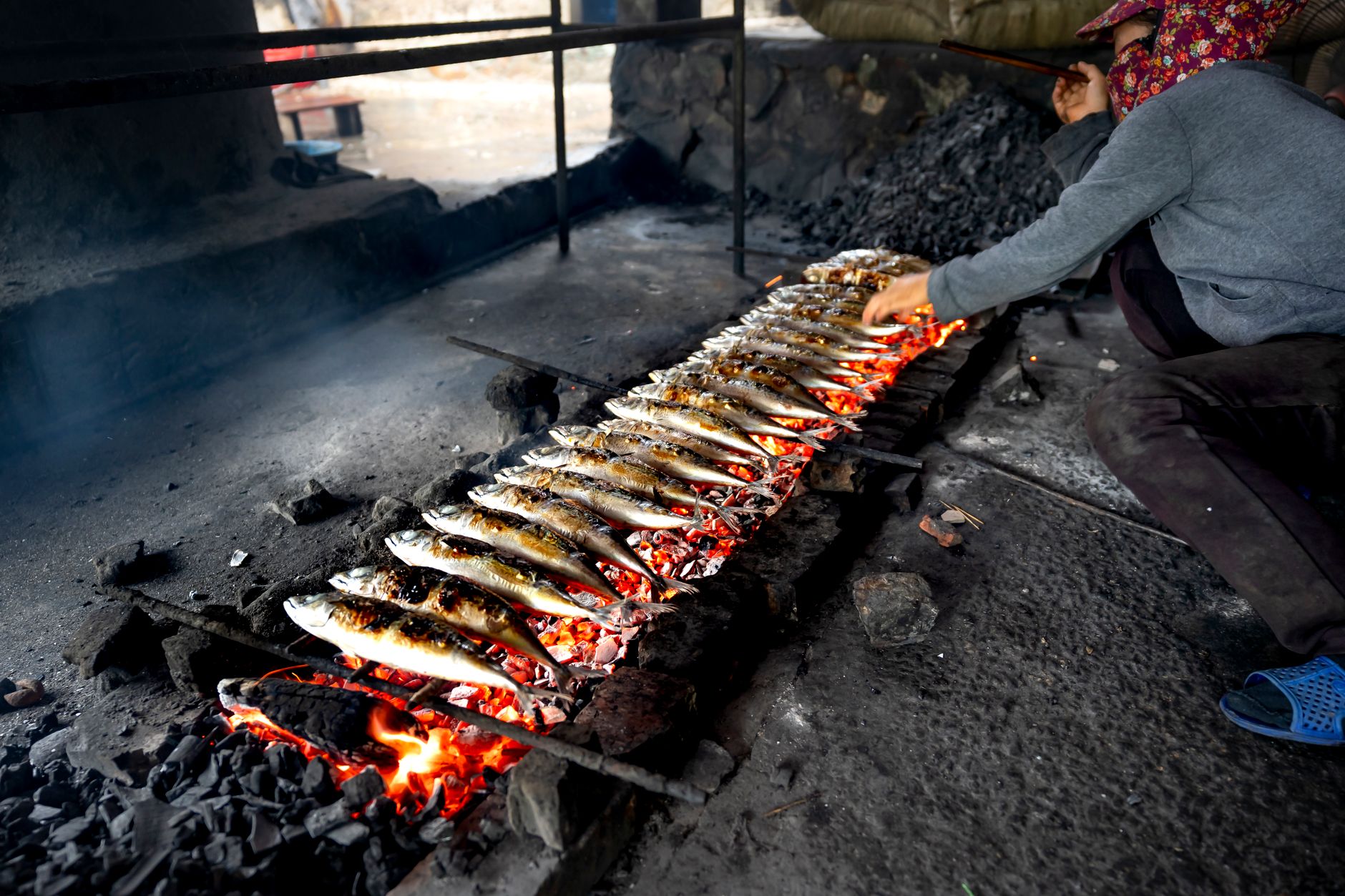
Grilling pike enhances its natural flavors, adding a subtle smokiness. The firm texture holds up well on the grill.
- Preheat the grill to medium-high heat.
- Brush the fish with a marinade or olive oil and season with salt and pepper.
- Place the fish directly on the grill or use a grilling basket for smaller fillets.
- Cook for about 4-6 minutes per side, depending on thickness. The fish is done when it flakes easily with a fork.
Baking
Baking is another great way to prepare pike, allowing the flavors to develop without added fats.
- Preheat your oven to 375°F (190°C).
- Grease a baking dish lightly and place the cleaned pike or fillets in it.
- Season with herbs, lemon slices, salt, and pepper.
- Bake for approximately 20-25 minutes, or until the fish flakes easily.
Pan-Frying
Pan-frying pike gives a crispy texture and is quick and easy.
- Heat a skillet over medium heat and add butter or oil.
- Once hot, add seasoned fillets or fish pieces.
- Cook for 4-5 minutes on each side until golden brown and crispy.
Smoking
Smoking pike can impart a delicious flavor, making it a unique dish or snack.
- Prepare your smoker, using wood chips for flavor.
- Brine the fish in a saltwater solution for a few hours prior to smoking.
- Smoke the fish for 2-4 hours at a low temperature, until thoroughly cooked.
Common Mistakes When Cooking Pike
Cooking pike can be straightforward, but there are some common mistakes to watch out for:
- Overcooking: Pike can dry out quickly. Monitor the cooking times closely and look for flaking texture.
- Not removing bones: Pike has a unique skeletal structure with Y-bones, which can be challenging. Filleting properly can help mitigate this.
- Improper seasoning: Pike has a robust flavor that can handle strong spices and herbs. Experiment with marinades and seasoning blends.
Serving Ideas for Pike
Once cooked, pike can be served in various delicious ways. Here are some ideas:
Pike Tacos
Use shredded cooked pike as a filling for tacos. Top with fresh salsa, avocado, and a squeeze of lime for a refreshing meal.
Pike Fish Cakes
Mince cooked pike, mix with breadcrumbs, herbs, and spices, then form into patties. Cook them in a skillet until golden brown and serve with tartar sauce.
Chowder
Incorporate pike into a chowder, combining it with potatoes, corn, and cream for a comforting dish.
Cold Smoked Pike Appetizer
Serve thinly sliced cold-smoked pike with crackers, cream cheese, and capers for a sophisticated appetizer.
Variations and Substitutions
While pike has a unique flavor, you can experiment with other fish in recipes if pike is unavailable. Some suitable alternatives include:
- Walleye: Similar in texture but has a milder flavor.
- Trout: Flakier and may require slight adjustments in cooking time.
- Bass: Firm and can be prepared in a similar way as pike.
Keep in mind that each fish offers its distinct flavor, so adjust seasonings and marinades accordingly.
Storing Pike
Pike is best when fresh but can be stored safely to maintain its quality:
- Fresh pike can be kept in the refrigerator for up to two days.
- For longer storage, freeze cooked or uncooked fish wrapped tightly in plastic wrap or foil, which can last up to three months.
- Thaw frozen pike in the refrigerator, never at room temperature, and cook within 24 hours of thawing.
Final Thoughts
Pike is a delicious and versatile fish that’s worth considering if you’re looking for something different to cook. With the right techniques and recipes, it can be an exciting addition to your culinary repertoire.
Consider trying your hand at grilling, baking, or pan-frying this fish, and serve it in various enjoyable ways. Whether you’re serving it in tacos, cakes, or chowder, above all, ensure to appreciate its unique flavor.
If you’re looking for more seafood inspiration, check out our recipes for walleye and steelhead trout.