
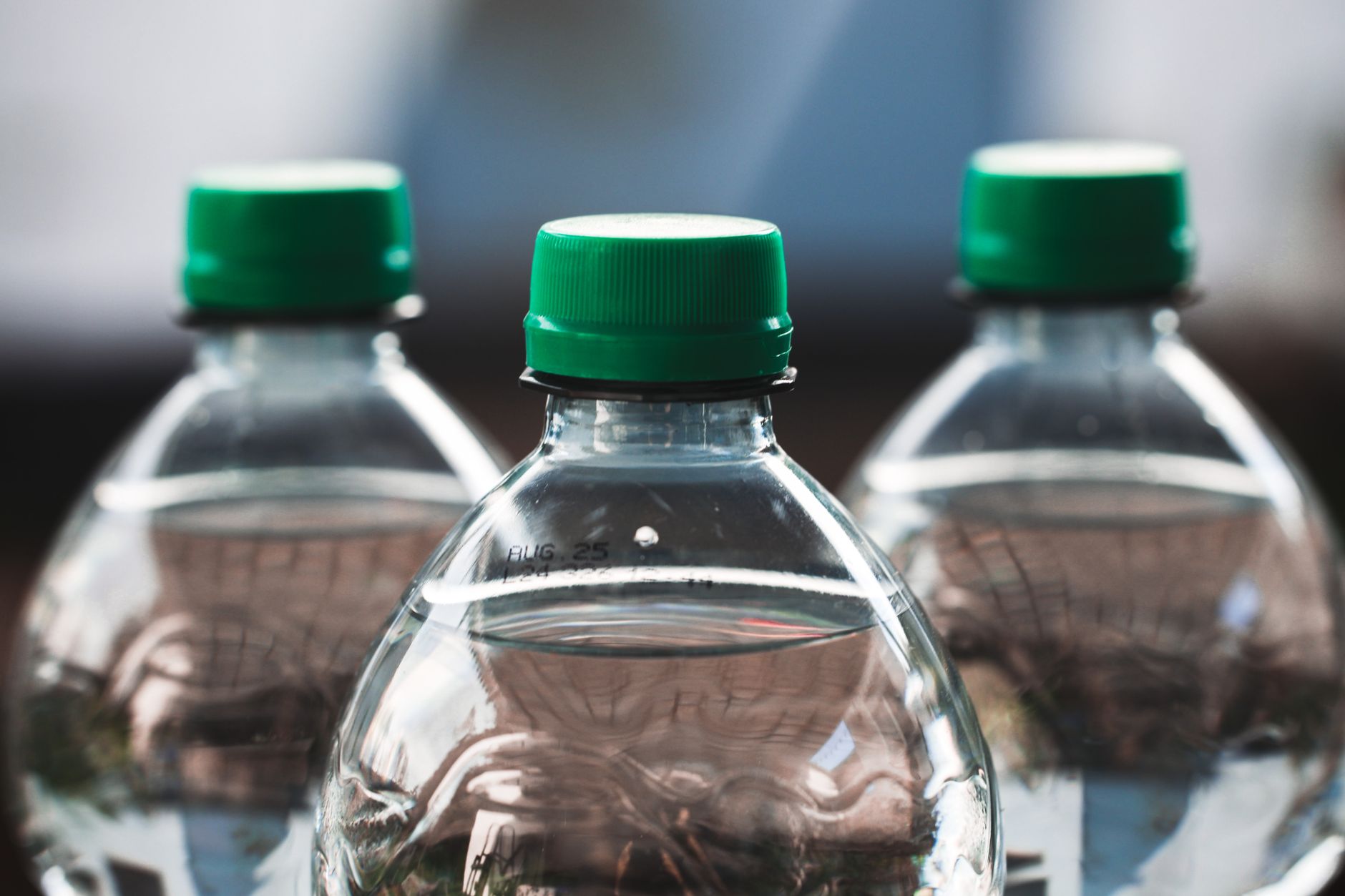
Dasani, a popular bottled water brand owned by Coca-Cola, has faced criticism and a degree of disdain among consumers. Many reasons contribute to this backlash, including taste, environmental concerns, and marketing strategies. Understanding these factors can provide a clearer picture of why people have formed negative opinions about Dasani and bottled water in general.
This article explores the various reasons behind the aversion to Dasani, dives into the product’s composition, and examines alternatives that may appeal to consumers looking for quality hydration solutions. Additionally, it highlights important aspects of bottled water production and the impact on the environment.
Why Do People Hate Dasani?
People dislike Dasani for reasons that range from its taste to environmental concerns about bottled water production. Criticism often revolves around the added minerals that alter the flavor profile, as well as the perception of it being overpriced compared to tap water. Factors like the brand’s recycling practices and marketing decisions also contribute to the negative sentiments.
The Flavor of Dasani
One of the primary complaints about Dasani is its distinct flavor. While bottled water is generally expected to be neutral, some consumers describe Dasani as having a slightly salty taste due to its mineral composition.
Mineral Composition
Dasani’s water undergoes a purification process that includes reverse osmosis, after which it is enhanced with minerals such as magnesium sulfate, potassium chloride, and salt for a crisp taste. The addition of these minerals alters the natural flavor of the water, resulting in a taste that some find unappealing.
Consumer Preferences
The preference for plain, neutral-tasting water varies significantly among consumers. Some individuals are accustomed to drinking tap water, which is generally free from additional minerals and has its own unique taste. For those who prefer this simplicity, the taste of Dasani can be off-putting.
Price vs. Value
Another reason people speak negatively about Dasani is its perceived high price in comparison to its value. Consumers often highlight the fact that bottled water, including Dasani, is considerably more expensive than tap water.
Cost Analysis
The price of Dasani bottled water can vary based on location, but it frequently ranges from $1 to $2 for a 16.9-ounce bottle. In contrast, tap water costs significantly less, often just a fraction of a cent per gallon. For consumers mindful of their budgets, the disparity can seem unjustifiable.
Perceptions of Quality
Some consumers equate higher prices with better quality, leading them to explore brands they believe offer superior tasting water or more transparent sourcing practices. As a result, Dasani often finds itself competing against higher-priced brands like Fiji or Evian, which market themselves as premium bottled water options.
Environmental Concerns
Environmental issues surrounding bottled water heavily factor into negative perceptions of brands like Dasani. The environmental impact of plastic waste and water sourcing practices raises concerns for eco-conscious consumers.
Plastic Pollution
One significant concern regarding Dasani and other bottled water brands is the plastic packaging. While many brands, including Dasani, promote the use of recyclable PET bottles, critics argue that recycling rates remain low, contributing to an ongoing plastic pollution crisis.
Water Sourcing Practices
Furthermore, many consumers express unease about bottled water companies’ practices of extracting groundwater. Critics cite that large-scale extraction can lead to depletion of local aquifers, impacting water availability for local communities. In this regard, Dasani’s sourcing practices can raise questions about sustainability and ethical considerations.
Marketing and Branding Strategies
Dasani has received scrutiny not only for its product but also for its marketing approach. The advertising tactics employed can draw criticism as consumers become increasingly skeptical of brands and their ethical implications.
Health Claims
Some people perceive Dasani’s marketing claims as misleading. While advertisements often promote the purity and refreshing nature of bottled water, criticisms arise when medical studies and health professionals advocate for drinking tap water rather than bottled alternatives, which can include negligible health benefits.
Brand Loyalty
Marketing strategies that rely on brand loyalty also play a role in consumer disdain. In recent years, the trend towards supporting local and sustainable brands has led many consumers to choose products seen as more reliably ethical. Dasani’s association with Coca-Cola, a large conglomerate, can be perceived as a negative factor, pushing some consumers towards smaller, independent brands.
Health and Safety Perceptions
Concerns about the safety of bottled water, including Dasani, have caused distrust among consumers. Issues such as quality control, contamination, and the presence of microplastics have spurred negative sentiments.
Contamination Risks
Incidents involving water contamination or quality recalls impact overall consumer trust. If consumers feel unsure about the safety of Dasani or bottled water in general, they may opt for alternatives. Proper maintenance of facilities that produce bottled water is crucial for ensuring that product quality remains high.
Microplastic Concerns
Recent studies indicating the potential presence of microplastics in bottled water have sparked further debate around the health implications of consuming such products. For health-conscious individuals, this information may prompt them to question their choice of bottled water entirely, including Dasani.
Alternatives to Dasani
Consumers seeking an alternative to Dasani have a variety of options to consider. Exploring the differences in bottled water options and understanding tap water quality can help individuals make informed choices.
Other Bottled Water Brands
Numerous bottled water brands compete in the market, each with different sourcing, taste, and pricing strategies. Some notable alternatives to Dasani include:
- Essentia: Known for its alkaline water.
- Pellegrino: Sparkling mineral water from Italy.
- Fiji: Sourced from an aquifer in Fiji, known for smoothness and taste.
- Glaceau Smartwater: Marketed for its vapor-distilled purity.
Tap Water
For those concerned about taste or safety, options for enhancing tap water are available. Investing in a quality water filter can purify tap water, improving taste and safety while significantly reducing costs compared to bottled water.
DIY Infused Water
Infused water is another great way to enhance the boring taste of tap water. This personalized approach can help anyone find hydration enjoyable. Here are some popular infusions:
- Cucumber and mint for refreshment.
- Lemon and ginger for a zingy pick-me-up.
- Berries for a subtle sweetness.
Making Informed Choices
When it comes to bottled water like Dasani, individuals must weigh their choices based on personal preferences and environmental considerations. Making informed choices regarding hydration is essential to balance health, taste, and eco-friendly practices.
Evaluating Brands
To navigate bottled water quality, consider evaluating brands based on various factors:
- Sourcing transparency: Where does the water come from?
- Packaging: Is it recyclable or environmentally sustainable?
- Taste preferences: How does the brand compare to alternatives?
Local Sourcing
Considering local brands or tap water can provide eco-friendlier options that reduce packaging waste and often save on costs. Many regions offer quality tap water that meets or exceeds safety standards.
The Bottom Line
Consumer distaste for Dasani stems from various factors including taste, price, environmental concerns, marketing practices, and perceptions of health and safety. While personal preferences guide bottled water choices, alternatives exist ranging from other bottled brands to DIY infused water from tap sources.
Ultimately, becoming an informed consumer can empower individuals to make responsible decisions that align with their values and preferences. As the conversation about sustainability and ethical consumption continues, water choice remains an important part of a family’s hydration strategy.
For further exploration, consider checking out guides on the best bottled water to drink or substitutes for vanilla extract to enrich your culinary endeavors.