
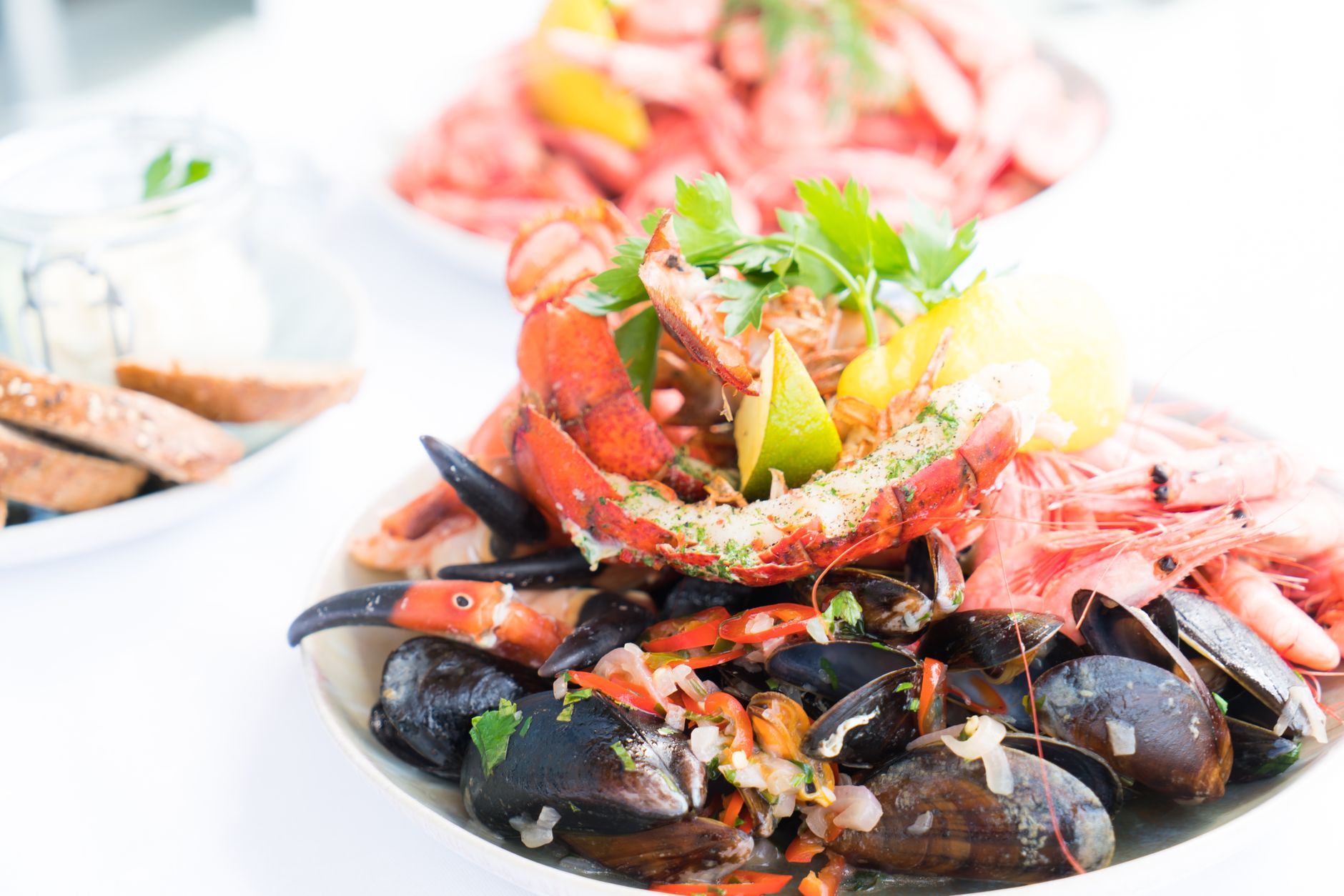
Taurine is a naturally occurring amino acid found in various foods, primarily of animal origin. It’s known for supporting several physiological functions, including bile salt formation, eye health, and cardiovascular health. Understanding where to find taurine-rich foods can help you enhance your diet to meet dietary needs.
In this article, we will explore foods that are rich in taurine, discussing their benefits, uses, and serving ideas while providing practical insights for incorporating them into your meals.
What Food Has Taurine?
Foods high in taurine include fish, meat, and dairy products. Specific seafood, such as shellfish and certain fish, contain particularly high levels. Understanding these foods enables you to select items rich in taurine and enhance your overall well-being.
Sources of Taurine
Taurine is predominantly found in animal-based products. Below are some of the best dietary sources of taurine:
- Shellfish: Options like scallops, oysters, and clams are some of the richest sources.
- Fish: Varieties such as tuna, salmon, and mackerel are excellent choices for taurine.
- Poultry: Chicken and turkey provide good levels of taurine.
- Meat: Beef and lamb also contribute significant amounts of taurine to your diet.
- Dairy Products: Milk and cheese are valuable sources as well.
- Eggs: Eggs contain moderate amounts of taurine.
1. Shellfish
Shellfish are one of the richest sources of taurine, particularly scallops, which can contain as much as 1,000 mg of taurine per 100 grams. They are not only high in taurine but also low in calories and rich in vitamins and minerals like Vitamin B12 and selenium.
Serving Ideas: Incorporate shellfish into pasta dishes, salads, or serve grilled with lemon butter for a flavorful main course.
2. Fish
Certain species of fish like tuna and salmon offer substantial taurine content as well. Tuna can provide around 500 mg of taurine per 100 grams, while salmon offers about 200 mg. Fish provides healthy fatty acids, making it a nutritious addition to meals.
Serving Ideas: Grill salmon fillets, bake tuna steaks, or include them in sushi for a taurine-rich meal.
3. Poultry
Chicken and turkey are also significant sources of taurine, with chicken providing approximately 50 mg per 100 grams. Poultry offers versatility, making it an easy protein choice for various dishes.
Serving Ideas: Roast a whole chicken, or prepare grilled chicken salads and turkey stir-fries.
4. Meat
Beef and lamb both supply moderate amounts of taurine, roughly around 20 mg per 100 grams. They offer iron, which can help combat fatigue and enhance muscle function.
Serving Ideas: Try slow-cooked beef stews, grilled lamb chops, or meat-based pasta sauces for a satisfying meal.
5. Dairy Products
Milk and cheese contain taurine too, albeit in lower amounts than animal proteins. Cheese, particularly aged varieties, can contain about 10 mg per 100 grams. Dairy is also rich in calcium and protein.
Serving Ideas: Enjoy cheese as part of a charcuterie board, or include it grated on pasta dishes for added creaminess.
6. Eggs
Eggs have moderate taurine levels, approximately 30 mg per 100 grams. They are a versatile ingredient packed with nutrients, making them a staple in many diets.
Serving Ideas: Breakfast is a perfect time for eggs, whether scrambled, poached, or as an omelet filled with your choice of veggies.
Understanding the Benefits of Taurine
Aside from being an essential amino acid, taurine is involved in numerous physiological processes. Here are a few notable benefits:
- Heart Health: Taurine may help lower cholesterol levels and support overall heart function.
- Neurological Health: It plays a role in the development and function of the nervous system.
- Antioxidant Properties: Taurine can act as an antioxidant, combating oxidative stress.
Vegetarian and Vegan Options
Since taurine is predominantly found in animal foods, vegetarians and vegans may need to rely on fortified foods or consider taurine supplements. Some plant foods aggregate certain nutrients that help the body create taurine but don’t directly contain it. These include:
- Seaweed: Certain varieties can provide precursors for taurine synthesis.
- Spinach: Rich in amino acids that could aid in taurine production.
How to Incorporate Taurine-Rich Foods into Your Diet
Incorporating taurine-rich foods into your daily meals can enhance your overall nutrition. Here are several strategies to help you do just that:
1. Meal Planning
Weekly meal planning allows you to focus on including taurine-rich sources. Consider devising a menu including fish, poultry, and dairy for lunch and dinner options.
2. Balanced Meals
Pair taurine-rich proteins with a variety of vegetables to create balanced meals. For instance, serve grilled salmon atop a bed of quinoa and steamed vegetables for nutrient density.
3. Snacks
Use dairy products as delicious snacks, opt for cheese plates, or enjoy yogurt mixed with fruits and nuts for enhanced flavor and nutrition.
4. Diverse Cooking Techniques
Explore various cooking methods—from grilling and baking to poaching and sautéing—to preserve the taurine content in foods while also enhancing their flavor.
Common Mistakes When Preparing Taurine-Rich Foods
To maximize the benefits of taurine-rich foods, it is essential to avoid certain missteps:
- Overcooking Seafood: This can decrease the taurine content and lead to a rubbery texture.
- Neglecting Variety: Eating the same sources leads to nutrient deficiencies. Rotate your proteins to ensure comprehensive nutrition.
- Ignoring Seasoning: Flavor enhances meals. Don’t skimp on herbs and spices when preparing dishes.
Storage and Handling of Taurine-Rich Foods
Proper storage and handling are crucial for maintaining the nutritional integrity of taurine-rich foods.
- Refrigeration: Always store meat, fish, and dairy products in the refrigerator and ensure they are consumed before their expiration dates.
- Freezing: If you buy seafood in bulk, freezing can extend its shelf life without compromising its nutritional value.
- Defrosting: Always defrost seafood and meat in the refrigerator to prevent the growth of harmful bacteria.
Practical Serving Suggestions
Here are a few simple serving suggestions to inspire your meals while boosting taurine intake:
- Create a colorful seafood stir-fry with scallops, bell peppers, and broccoli.
- Prepare a turkey and vegetable pot pie for a comforting dinner.
- Make a hearty beef stew with carrots and potatoes for a stick-to-your-ribs meal.
Supplementing with Taurine
If you find it challenging to get enough taurine from food alone, you may consider supplements. Taurine supplements are widely available, but it’s essential to consult a healthcare provider before starting any supplementation to ensure it aligns with your health goals.
Conclusion
Taurine is an essential nutrient with significant health benefits, and ensuring adequate intake can support overall well-being. By incorporating various taurine-rich foods—such as shellfish, fish, poultry, meat, dairy, and eggs—into your meals, you can easily enhance your diet.
Explore these related topics to expand your culinary repertoire and improve your nutritional knowledge: Chia Pudding Recipe and Foods that Have Probiotics.