
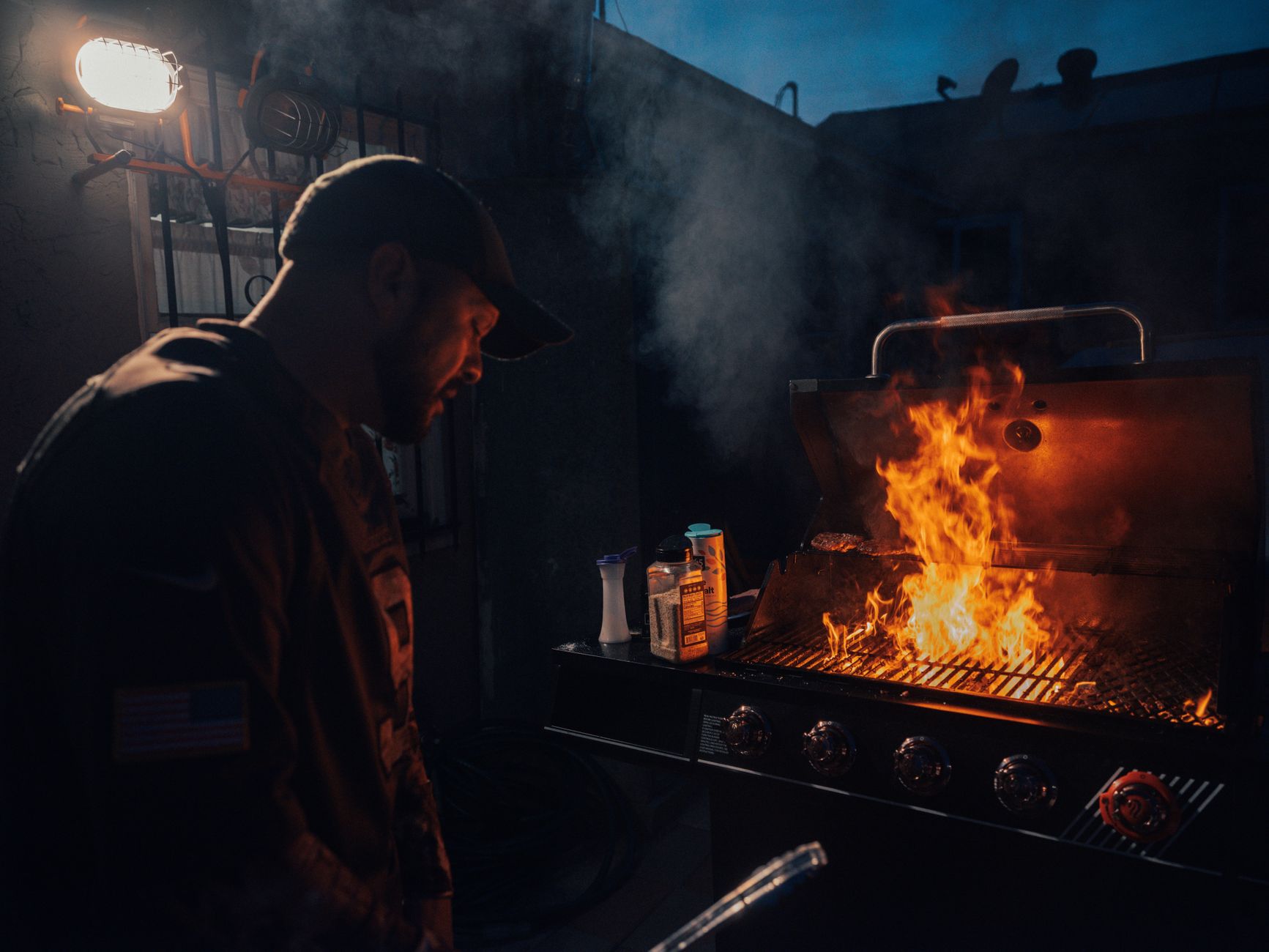
The brisket is a beloved cut of beef known for its rich flavor and tenderness when cooked correctly. Understanding where the brisket comes from on the cow can help you appreciate its unique qualities and better prepare this delicious meat. This guide will explore the origins of the brisket, its characteristics, and how to cook it to perfection.
Brisket is a popular choice for various cooking methods, including smoking, braising, and low-and-slow roasting. Whether you’re preparing a classic barbecue dish, a comforting pot roast, or a savory beef hash, knowing about the brisket can elevate your cooking and meal planning.
What Part of the Cow Does the Brisket Come From?
The brisket comes from the chest area of the cow, specifically from the pectoral muscles located between the forelegs. This area gets a lot of exercise, making the meat tougher than other cuts, but it also rich in flavor and ideal for slow cooking methods. The brisket is divided into two main sections: the flat and the point.
Understanding the Brisket Cut
To fully appreciate the brisket, it’s essential to understand its two distinct sections and the different qualities they offer:
The Flat Cut
The flat cut, also known as the first cut, is the leaner part of the brisket. It is rectangular and has a layer of fat on top, which helps keep the meat moist during cooking. The flat is typically used for slicing into sandwiches or serving as a main dish. It has a fine grain and is denser than the point cut.
The Point Cut
The point cut, or the second cut, is thicker and contains more marbling and fat, contributing to its rich flavor. This cut offers a more tender texture when cooked, making it a great choice for recipes that require shredding or pulling, such as brisket tacos or barbecue sandwiches. It can also be chopped for use in various dishes.
Characteristics of Brisket
Brisket is known for its deep, beefy flavor and has a unique texture that benefits from slow cooking. Here are some characteristics to highlight:
- Flavor: The natural marbling and fat in brisket provide a rich, savory taste, enhancing any dish.
- Texture: After slow cooking, brisket becomes tender and juicy, perfect for slicing or shredding.
- Cooking Methods: Ideal for slow methods like smoking, braising, or slow roasting.
Common Cooking Techniques for Brisket
To make the most of your brisket, familiarize yourself with various cooking techniques. Each method can produce different results, so it’s good to know which one suits your intended dish best.
Smoking
Smoking is a popular method for cooking brisket, particularly in barbecue culture. The low and slow approach allows the meat to absorb smoky flavors while breaking down tough fibers.
- Choose a whole brisket or a specific cut (flat or point).
- Season generously with salt, pepper, or your favorite rub.
- Preheat your smoker to 225°F to 250°F.
- Smoke the brisket, ensuring it remains moist by using a water pan, until it reaches an internal temperature of 195°F to 205°F.
- Rest before slicing to maintain juiciness.
Braising
Braising brisket is perfect for creating tender, flavorful dishes. The process combines both dry and wet cooking methods.
- Brown the brisket in a hot pan to develop a crust.
- Remove the meat and sauté vegetables in the same pan.
- Add liquid (broth or wine) and return the brisket to the pan.
- Cover and cook slowly in the oven or on the stovetop at low heat until tender.
Slow Roasting
Slow roasting brisket results in a beautifully cooked piece of meat that can be served for a special occasion.
- Rub the brisket with salt, pepper, and herbs to taste.
- Preheat the oven to 300°F.
- Place the brisket in a roasting pan and cover it tightly with foil.
- Cook for several hours, until fork-tender, keeping an eye on moisture levels.
Selecting the Right Brisket
When purchasing brisket, consider these factors to ensure you select a high-quality cut:
- Marbling: Look for briskets with visible fat marbling, which adds flavor and moisture.
- Color: The meat should be a deep red color, while the fat should be creamy white.
- Weight: A larger cut (5-10 pounds) is typically ideal for feeding a crowd or for leftovers.
Ingredient Guide to Cooking Brisket
The success of your brisket largely depends on the ingredients used. Here’s a guide to essential ingredients and their roles:
Seasonings
Traditional seasonings include:
- Salt: Enhances the beef’s natural flavor.
- Pepper: Adds mild heat and depth.
- Garlic Powder: For a savory profile.
- Onion Powder: Complements meats well.
- Brown Sugar: Introduces sweetness and caramelization when cooked.
Cooking Liquids
When braising or slow cooking, consider the following liquids:
- Beef Broth: Deepens the meat flavor.
- Red Wine: Adds acidity and complexity.
- Apple Cider Vinegar: Provides brightness and balances richness.
Common Mistakes and Troubleshooting
Cooking brisket can be challenging, but avoiding common mistakes can lead to better results:
- Not Using Enough Time: Give brisket enough time to cook slowly; otherwise, it will remain tough.
- Skipping Resting: Always let brisket rest post-cooking to consolidate juices.
- Wrong Temperature: Cooking at a high temperature will dry out the brisket, leading to a chewy texture.
Serving Suggestions for Brisket
Brisket can be served in various delicious ways. Here are some ideas:
- As part of a classic barbecue plate with coleslaw and baked beans.
- In a hearty sandwich with pickles and mustard.
- Sliced thinly over creamy polenta or mashed potatoes.
- In tacos topped with vibrant salsa and avocado.
Storage and Reheating Tips
Proper storage and reheating can help you enjoy leftover brisket for days:
- Refrigerate leftovers within two hours of cooking and consume within 3-4 days.
- Freezing is also an option if you want to store brisket for a longer duration; wrap it tightly to prevent freezer burn.
- To reheat, use a low oven (around 300°F) covered in foil to prevent dryness.
Exploring Variations and Substitutions
While brisket has a distinct flavor and texture, there are some alternative cuts and variations you might consider:
- Chuck Roast: A great substitute for slow cooking, though it will have slightly different textures.
- Short Ribs: Excellent for braising and full of flavor, though not suitable for slicing like brisket.
- Corned Beef: A salted version of brisket that is tangy and often used in sandwiches.
Budget Cooking with Brisket
Brisket can be a more economical option, especially when cooking for a group. Here are some tips for budget-friendly meal planning:
- Buy larger cuts and divide them into smaller portions for different meals.
- Use leftovers in various recipes, such as stir-fries, soups, or casseroles.
- Shop during sales or at local butcher shops for the best prices on brisket.
Conclusion
Understanding where brisket comes from and how to cook it can elevate your dining experience. Whether you’re planning a barbecue or seeking a comforting, slow-cooked meal, brisket offers versatility and flavor. Explore this exceptional cut and try your hand at cooking, and you’ll discover why it remains a favorite among meat lovers.
For more culinary inspiration, check out this delicious steak seasoning recipe or learn how to make a tender boneless prime rib. Each of these dishes celebrates the rich flavors of beef and is perfect for your next meal!