
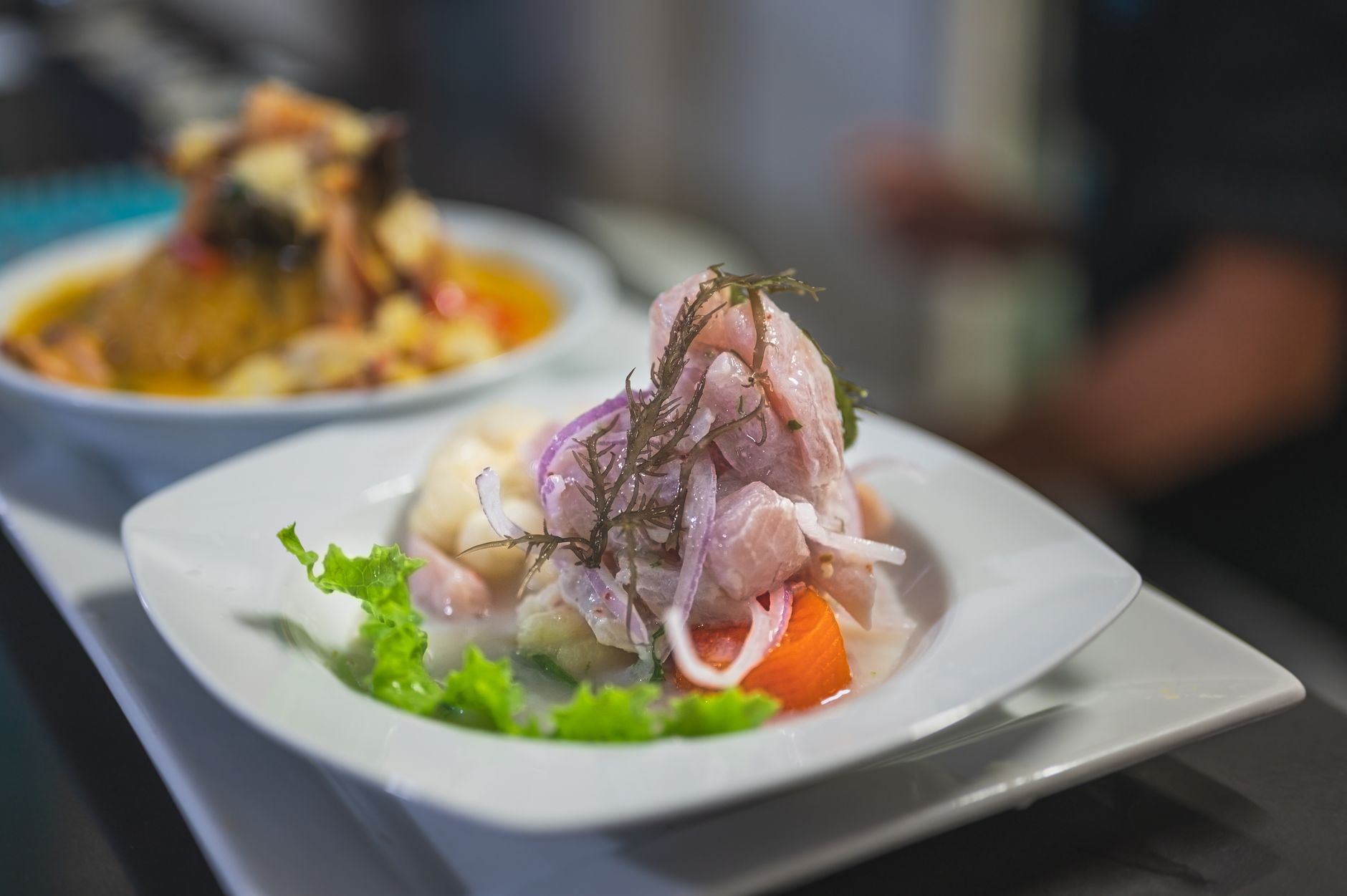
Ceviche is a dynamic and vibrant dish originating from Latin America, primarily celebrated in coastal regions. It consists of raw fish or seafood that is “cooked” by marinating in citrus juices, typically lime or lemon, allowing for a refreshing contrast of flavors. Understanding how ceviche works reveals not only its culinary beauty but also its unique preparation methods.
This article dissects the science behind ceviche, including its ingredients, cooking techniques, common mistakes, and serving ideas. Whether you’re a novice or a seasoned chef, you’ll appreciate the intricacies of this beloved dish.
How Does Ceviche Work?
Ceviche works through a chemical reaction known as denaturation, where the natural proteins in fish or seafood change their structure when exposed to acid, particularly citric acid from citrus juices. This acid cooks the fish by breaking down their proteins, giving the seafood a firm yet tender texture, allowing it to be safe to consume raw.
The Ingredients of Ceviche
While ceviche can vary across different cultures and regions, the base ingredients generally remain consistent. Key components include:
- Fish or Seafood: The primary ingredient, often fresh white fish like snapper, halibut, or tilapia, but also includes shrimp, scallops, or mollusks.
- Citrus Juices: Lime juice is traditional but lemon or orange can also be used to add flavor and acidity.
- Vegetables: Common additions include diced red onion, tomatoes, cilantro, and bell peppers, which enhance flavor and provide texture.
- Seasonings: Salt, pepper, and sometimes spices like chili powder or fresh jalapeños for heat.
Choosing the Right Fish or Seafood
Selecting the right fish or seafood is crucial for achieving the best ceviche. Here are some tips:
- Freshness: Always choose the freshest seafood available. Look for clear, bright eyes in fish and firm, moist flesh.
- Sustainability: Opt for sustainably sourced fish whenever possible. Check for certifications or ask your fishmonger.
- Texture: Choose firm-fleshed fish that hold up well to marination, such as snapper or halibut.
The Science of Marination
Marination is where the magic happens in ceviche. The primary purpose of marination is to enhance flavors and allow chemical reactions to take place. Here’s how it works:
- Preparation: Cut the fish into uniform pieces for even marination, usually about half an inch thick.
- Adding Acid: Cover the fish with citrus juice, ensuring all pieces are submerged. This acid penetrates the fish, initiating the denaturation process.
- Timing: The timing of marination is crucial. Depending on the type of fish, marination time can range from 10 minutes to several hours. Always taste periodically to check for doneness.
A Step-by-Step Guide to Making Ceviche
Here’s a detailed method to create a basic ceviche:
Materials Needed
- Fresh fish (e.g., tilapia, snapper) – 500 grams
- Fresh lime juice – 1 cup (about 8 limes)
- Red onion – 1 small, finely diced
- Tomatoes – 1 medium, diced
- Cilantro – 1/2 cup, chopped
- Salt – to taste
- Jalapeño or chili – optional, finely diced
- Start by ensuring your fish is fresh and properly filleted into small cubes (approximately 1/2 inch).
- Place the fish in a glass or ceramic bowl, avoiding metal containers as they can react with the acid.
- Pour fresh lime juice over the fish until it is completely submerged.
- Cover the bowl with plastic wrap and refrigerate for about 30 to 60 minutes, depending on the fish used.
- Taste the fish after the initial marinating period. When the fish appears opaque and has a firm but tender texture, it is ready.
- Drain the excess lime juice if desired, then combine with red onion, tomatoes, cilantro, and any optional ingredients like jalapeño.
- Season with salt to taste. Serve immediately for maximum freshness.
- Over-marinating: If left in the citrus juice for too long, the fish can become mushy. Always check for doneness and flavor after the minimum marinade time.
- Wrong Fish Selection: Avoid oily fish, like salmon or mackerel, as they don’t hold up well and may produce a less desirable flavor combination.
- Using Contaminated Ingredients: Always ensure freshness and cleanliness, especially with seafood and vegetables to prevent foodborne illness.
- With Chips: Serve ceviche with tortilla chips or plantain chips for a crunchy contrast.
- On Tostadas: Spoon the ceviche onto crisp tostadas for a delightful flavor and texture combination.
- With Avocado: Incorporate slices of fresh avocado for creaminess which balances the acidity of the dish.
- In a Lettuce Wrap: Use lettuce leaves as wraps, providing a fresh, low-carb alternative.
- Drinks: Pair with a cold beer, Pisco sour, or mojito for perfect harmony.
- Peruvian Ceviche: Often includes aji peppers and accompanied by sweet potatoes and corn.
- Mexican Ceviche: Tends to be spicier, often including tomatoes, avocado, and jalapeños.
- Fruit Ceviche: Incorporates fruits like mango or pineapple as part of the marinade for a sweet twist.
- Immediate Consumption: It’s best to consume ceviche immediately after preparation for optimal taste and texture.
- Refrigeration: If necessary, store leftovers in an airtight container for up to 24 hours in the refrigerator. However, the texture will continue to change.
- Ingredient Prep: You can prep ingredients like vegetables and herbs in advance, but combine them with fish and acid just before serving.
Procedure
Common Mistakes to Avoid
Making ceviche can seem simple, but there are common pitfalls to watch out for:
Perfect Pairings and Serving Suggestions
Serving ceviche is as important as making it. Here are some delightful ways to enjoy ceviche:
Variations of Ceviche
Ceviche can be creatively transformed based on local ingredients, regional preferences, or personal tastes. Here are a few popular variations:
Storage and Make-Ahead Tips
Because freshness is key to ceviche, proper storage is essential. Here’s how to ensure your ceviche stays fresh:
Ceviche in the Culinary World
Ceviche has become a global phenomenon beyond its Latin American roots. Chefs worldwide are exploring variations that highlight local ingredients and tastes. This dish’s versatility makes it suitable for restaurants, food trucks, and home kitchens alike, establishing a place in contemporary cuisine.
Conclusion
Understanding how ceviche works can elevate your culinary skills and impress those around you. The key lies in mastering the balance between fresh ingredients and the marination process. Whether for a casual gathering or a sophisticated dinner party, ceviche proves to be a delightful dish that celebrates freshness and flavor. Get creative with ingredients, and enjoy this vibrant addition to your culinary repertoire.
Explore related recipes like conch salad and pickled shrimp for more seafood delights.