
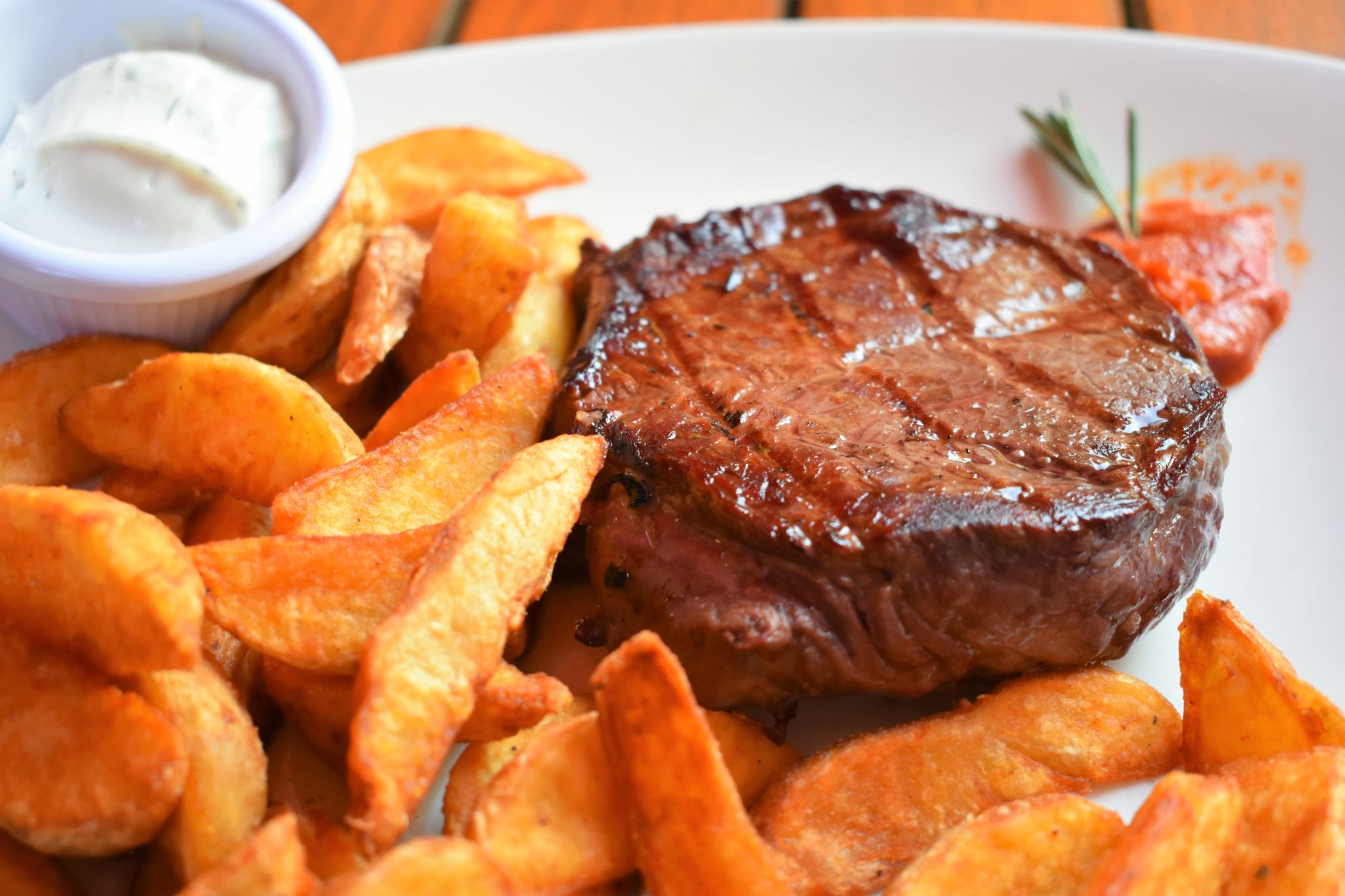
Beef is a popular and versatile protein source enjoyed around the world in various culinary traditions. Understanding the calorie content in different cuts of beef is essential for those looking to balance their diets, monitor their weight, or ensure they meet their nutritional goals. This guide will explore the calorie content of various beef cuts, provide nutrition facts, and offer practical serving size recommendations.
Whether you’re planning meals for a family gathering, an intimate dinner, or meal-prepping for the week, knowing how many calories are in beef can help you make informed decisions about your meals. This article will break down the calorie content for multiple types of beef, nutritional benefits, cooking methods, and tips on selecting the best cuts for your needs.
How Many Calories in Beef?
The calorie content in beef varies significantly based on the cut and the cooking method. Generally, lean cuts such as sirloin or tenderloin will have fewer calories compared to fattier cuts like ribeye or T-bone. On average, a 3-ounce serving of cooked beef ranges from about 170 to 300 calories depending on the cut.
Understanding Beef Cuts and Their Calories
To help you grasp the calorie counts associated with beef, let’s explore the most common cuts of beef and provide calorie estimates for each. The following section lists various types of beef, along with their respective calorie content based on a standard 3-ounce cooked serving.
Longevity of Beef
Before diving deep into specific cuts, it’s essential to mention that different beef cuts may have different storage and longevity based on how they were prepared and stored. For example, know how long ground beef is good for in the fridge to avoid spoilage.
Caloric Content by Beef Cut
| Beef Cut | Calories (per 3 oz) | Notes |
|---|---|---|
| Ground Beef (70% lean) | 250 | High in calories due to fat content, commonly used for burgers and meatballs. |
| Ground Beef (80% lean) | 215 | More balanced fat-to-protein ratio, versatile for various recipes. |
| Ground Beef (90% lean) | 170 | Leaner option, lower calories, suitable for healthy meals. |
| Sirloin Steak | 190 | Robust flavor, tender cut usually grilled or broiled. |
| Ribeye Steak | 300 | Fat-marbled cut providing richness and tenderness. |
| T-Bone Steak | 240 | Combination of tenderloin and strip, great for grilling. |
| Flank Steak | 220 | Lean cut with great flavor, best marinated and sliced thin. |
| Chuck Roast | 290 | High in connective tissue, perfect for slow-cooking. |
| Beef Brisket | 300 | Rich flavor and often smoked; a favorite for barbecues. |
Nutritional Benefits of Beef
Besides calorie content, beef is an excellent source of several important nutrients. Understanding these benefits may help you integrate beef into a balanced diet.
Protein
Beef is high in protein, essential for muscle repair and growth. A 3-ounce serving of cooked beef typically delivers about 25 grams of protein, aiding in meeting daily requirements for various lifestyles, especially for those involved in intense physical activities.
Vitamins and Minerals
Beef is packed with B vitamins, particularly B12, which plays a crucial role in red blood cell formation and proper neurological function. Additionally, beef is a good source of iron, important for oxygen transport in the blood, and zinc, necessary for immune function.
Common Cooking Methods and How They Affect Calories
The way beef is prepared can significantly impact its calorie content. Understanding these methods can help you control calorie intake while preparing delicious meals.
Grilling
Grilling beef allows fat to drip away, potentially reducing the calorie content slightly. For example, a grilled sirloin steak may have similar calories to a pan-seared one, but grilling can enhance flavor without additional fat.
Pan-Frying
Pan-frying generally adds calories due to added oils or fats during cooking. If you choose to pan-fry beef, opting for non-stick pans or using minimal oil can help manage calorie counts.
Slow Cooking
Slow-cooking tougher cuts like chuck roast can enhance flavors and tenderness without significantly increasing calories. This method preserves the natural juices of the beef, which can create a rich dish while keeping calorie counts steady.
Portion Sizes and Serving Recommendations
Understanding serving sizes is crucial for managing calorie intake. The USDA recommends that a serving of meat, including beef, is about 3 ounces, which is roughly the size of a deck of cards. Here is a helpful guide on common serving sizes:
- 3 oz: Standard serving, typically enough to provide a substantial protein source in a meal.
- 4 oz: Often used in restaurant settings, suitable for more substantial meals.
- 6 oz: Larger servings, appropriate for individuals with higher protein needs, such as athletes.
Practical Tips for Reducing Calories While Enjoying Beef
If you’re looking to enjoy beef while keeping calories in check, consider these practical tips:
- Choose Lean Cuts: Opt for cuts like sirloin, tenderloin, or flank steak over fatty cuts like ribeye.
- Trim Visible Fat: Before cooking, remove excess fat that could increase calorie content.
- Use Cooking Methods that Require Less Fat: Grilling, steaming, or slow cooking can help keep calorie counts down.
- Complement with Vegetables: Pair beef with high-fiber vegetables to satisfy hunger without adding too many calories.
Common Mistakes When Cooking Beef
A few common mistakes could affect the overall quality of your beef dishes. Addressing these can help you enjoy meals while remaining mindful of calorie counts.
- Cooking at Too High of a Heat: This can lead to burnt edges and uneven cooking, affecting flavor.
- Not Using a Thermometer: Undercooking beef can risk food safety, and overcooking can lead to toughness.
- Ignoring Resting Time: Allowing cooked beef to rest helps retain juices for better flavor and texture.
Storage and Safety Tips for Beef
Proper storage of beef is crucial for both safety and quality. Here are some helpful guidelines:
- Refrigeration: Store raw beef in the refrigerator for no more than 3 to 5 days. If you’re unsure how long ground beef is good for in the fridge, it’s typically around 1 to 2 days.
- Freezing: Freeze any beef that won’t be cooked within this time to maintain quality and safety.
- Thawing: Thaw beef in the refrigerator or using the microwave. Never thaw beef on the countertop.
Conclusion
Understanding the calorie content of beef and how to prepare it in ways that fit your dietary goals is key to enjoying this nutritious protein source. From selecting the right cuts to utilizing effective cooking methods, these insights will empower you to create delicious meals without compromising your nutritional needs.
To further your cooking knowledge, explore related resources like how long ground beef is good for in the fridge or how much protein is in ground beef. These guides will help enhance your culinary skills and understanding of this versatile ingredient.