
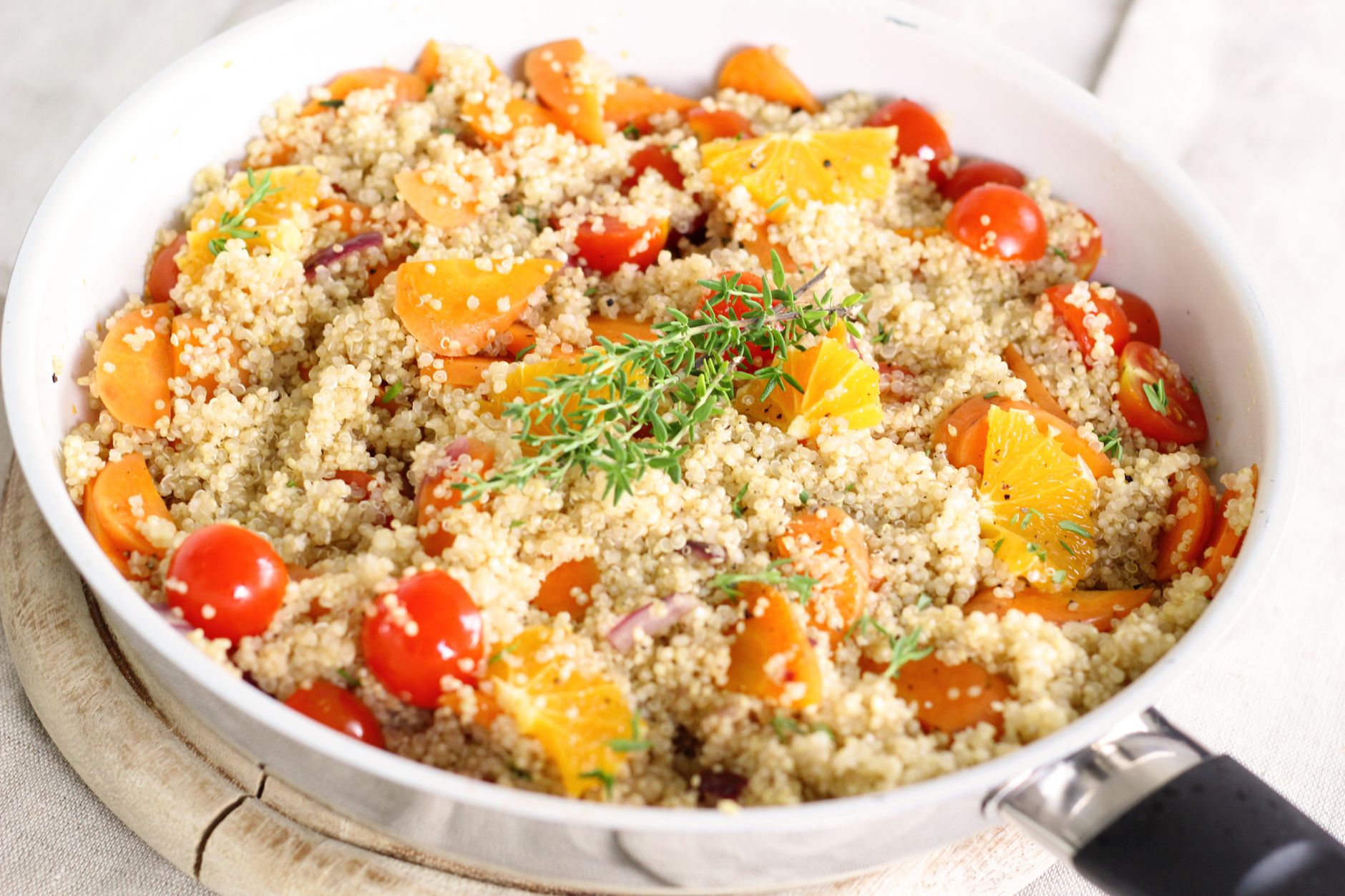
Quinoa, often lauded as a superfood, has gained popularity in recent years for its numerous health benefits and versatility in cooking. One question that frequently arises is whether quinoa is easy to digest. Understanding quinoa’s nutritional composition, fiber content, and how it interacts with our digestive system can help determine how well our bodies process this ancient grain.
This article will delve into the digestibility of quinoa, examining its fiber content, ideal portion sizes, and digestion process. We will also explore preparation methods to enhance its digestibility, possible side effects, and ways to include this nutritious food in your meal planning.
Is Quinoa Easy to Digest?
Quinoa is generally considered easy to digest for most individuals. Its high fiber content can be beneficial for digestion, helping to promote gut health. However, some people may experience discomfort due to its saponin content or their own individual digestive conditions. Understanding how to prepare quinoa effectively can minimize potential digestion issues.
Understanding Quinoa
Quinoa (Chenopodium quinoa) is a seed that is often classified as a whole grain. It is gluten-free, rich in protein, and contains essential nutrients like magnesium, iron, and B vitamins. Furthermore, quinoa is known for being a complete protein, meaning it provides all nine essential amino acids that our bodies cannot produce independently.
This grain-like seed has three main varieties: white, red, and black, each with a slightly different flavor and texture. However, all types share similar health benefits, making quinoa a valuable addition to any diet.
Why is Digestion Important?
Digestion is the process by which our bodies break down food into nutrients for energy, growth, and cell repair. When food is easy to digest, it helps to prevent discomfort and allows for optimal nutrient absorption. Foods that are high in fiber, like quinoa, can support digestive health by promoting regular bowel movements and feeding beneficial gut bacteria.
Nutritional Composition of Quinoa
A closer look at quinoa’s nutritional profile reveals why it is acclaimed for its health benefits. Here are key components related to its digestibility:
| Nutritional Component | Per 1 Cup (Cooked) |
|---|---|
| Calories | 222 |
| Protein | 8 grams |
| Fat | 4 grams |
| Carbohydrates | 39 grams |
| Fiber | 5 grams |
| Iron | 2.8 mg |
| Magnesium | 30 mg |
Fiber Content in Quinoa
Quinoa is an excellent source of dietary fiber. One cup of cooked quinoa provides about 5 grams of fiber, assisting in better digestion and promoting gut health. Fiber aids in bulking up stool and preventing constipation, making it beneficial for those who experience digestive issues.
There are two types of dietary fiber: soluble and insoluble. Quinoa contains both, but it is particularly high in soluble fiber, which dissolves in water and can help lower blood cholesterol levels. Insoluble fiber, on the other hand, adds bulk to the stool, contributing to digestive health.
Portions and Serving Size
When consuming quinoa, portion size could influence its digestibility. The standard serving size for cooked quinoa is one cup, which provides a significant amount of nutrition. For digestive ease, introducing quinoa in smaller portions, such as half a cup, may help those with sensitive digestive systems.
How to Prepare Quinoa for Optimal Digestion
Though quinoa is generally easy to digest, proper preparation is crucial to enhance its digestibility and minimize potential discomfort. Here are steps to ensure quinoa is prepared effectively:
- Rinse Quinoa: Saponins are naturally occurring compounds found in quinoa’s outer coating, which can impart a bitter flavor. Rinse quinoa thoroughly under cold water for about a minute before cooking. This process removes saponins and makes quinoa more pleasant to eat.
- Soaking: Soaking quinoa for a few hours or overnight can help break down some of the fiber and further reduce saponin levels. After soaking, rinse it again to ensure all traces of saponins are removed.
- Cooking: Cook quinoa in a ratio of 1 cup of quinoa to 2 cups of water or broth. Bring the water to a boil, add quinoa, cover, and reduce heat to low. Simmer for about 15 minutes or until the water is absorbed, and the quinoa is fluffy.
Digestive Issues Related to Quinoa
Despite its numerous benefits, some individuals may still experience discomfort after consuming quinoa. The two primary concerns include:
- Saponins: As mentioned earlier, saponins can be an irritant for some. Rinsing quinoa thoroughly and soaking it can effectively mitigate this issue.
- Fiber Sensitivity: Those with sensitive digestive systems or certain conditions, such as irritable bowel syndrome (IBS), may find high-fiber foods like quinoa to be challenging to digest.
Signs of Digestive Discomfort
Individuals who experience the following symptoms may have difficulty digesting quinoa:
- Bloating
- Gas
- Abdominal pain
- Diarrhea or constipation
If you suspect quinoa is causing digestive distress, consider consulting a healthcare provider or a nutritionist for personalized guidance.
Incorporating Quinoa into Your Diet
Quinoa is a versatile ingredient that can be incorporated into a variety of dishes, from salads to main courses. Here are some ideas for adding quinoa to your meals:
- Quinoa Salads: Combine cooked quinoa with fresh vegetables, herbs, and a light vinaigrette for a light and healthy meal.
- Quinoa Bowls: Top quinoa with your choice of protein (like chicken, tofu, or beans) and vegetables for a balanced bowl.
- Breakfast Quinoa: Quinoa can be used as a base for breakfast bowls, similar to oatmeal, topped with fruits, nuts, and a drizzle of honey.
Flavor Variations and Substitutions
To keep your meals exciting, consider these flavor variations:
- Herbs and Spices: Enhance the flavor of quinoa with fresh herbs like parsley, cilantro, or basil. Spice blends, such as cumin or smoked paprika, can also add depth to the dish.
- Broth or Stock: Use vegetable or chicken broth instead of water when cooking quinoa to impart additional flavor.
- Vegetables: Mix in sautéed or roasted vegetables for added nutrition and flavor.
Common Mistakes When Cooking Quinoa
To ensure your quinoa cooking experience goes smoothly, here are some common mistakes to avoid:
- Not Rinsing: Failing to rinse quinoa can result in a bitter taste, which may discourage you from using it again.
- Incorrect Water Ratio: Using too much or too little water can lead to mushy or undercooked quinoa. Stick to the 1:2 ratio for best results.
- Overcooking: Cooking quinoa for too long can make it gummy. Aim for a fluffy texture with a slight bite.
Storage and Reheating Quinoa
Cooked quinoa can be stored in the refrigerator for about 4 to 6 days. To ensure food safety, let quinoa cool completely before storing it in an airtight container. When reheating, warm it in a microwave with a splash of water to maintain moisture, or add a small amount of broth for flavor.
Make-ahead Tips
Cooking quinoa in bulk can save time during meal prep. Portion it out into individual servings, allowing for quick additions to meals throughout the week.
Final Thoughts on Quinoa and Digestion
Overall, quinoa is a nutritious and easy-to-digest food option for most people. It provides a wealth of nutrients, including protein and fiber, supporting digestive health. By following preparation tips, being mindful of portion sizes, and tuning into your body’s response, quinoa can be a delicious and beneficial addition to your diet.
For individuals who find quinoa difficult to digest, consider starting with small amounts and mixing with other easily digestible foods. The versatility and nutritional profile of quinoa make it an important staple, but always listen to your body’s signals.
Explore more about the health benefits of other nutritious ingredients with our articles, such as chia pudding recipe and the benefits of chia seeds.