
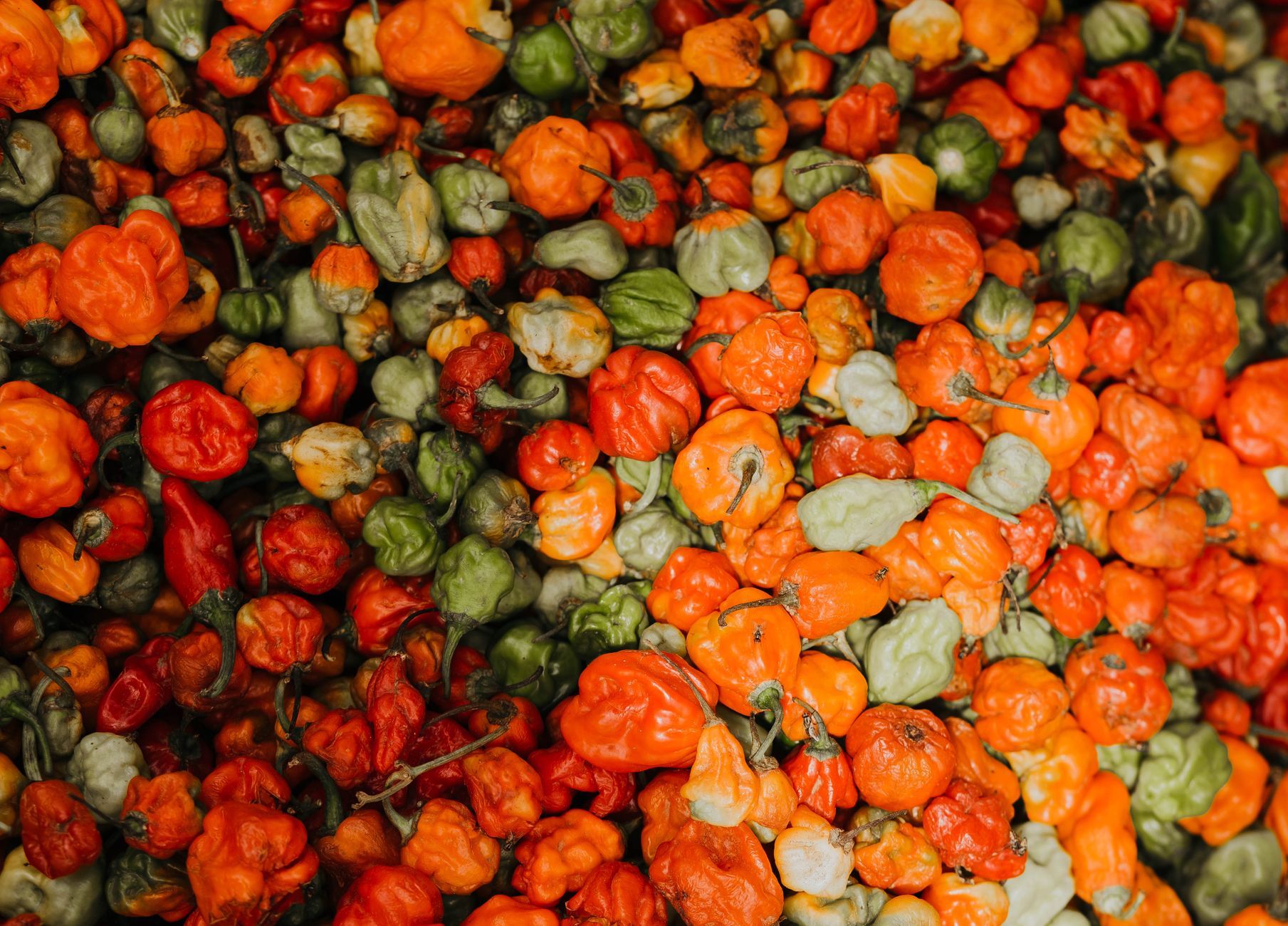
The world of culinary peppers is vast, colorful, and flavorful, offering endless possibilities in cooking. From the common bell pepper to the fiery jalapeño, each variety adds a unique dimension to dishes across different cuisines. Understanding where these peppers originated can enrich your appreciation for their taste and versatility.
Peppers belong to the Capsicum genus, and their native origins date back to ancient civilizations in the Americas. This article will delve into the native regions of peppers, explore their culinary applications, and provide helpful insights for home cooks.
Where Are Peppers Native To?
Peppers, scientifically classified as Capsicum, originated in the Americas, specifically Central and South America. Archaeological evidence suggests that they have been cultivated for over 6,000 years, primarily by indigenous peoples. Today, these plants are globally cultivated, but their roots trace back to regions including Mexico, the Caribbean, and parts of modern-day Peru and Ecuador.
Key Regions of Origin
1. Central America
Central America, particularly Mexico, is the heart of pepper diversity. Various species of peppers, including the sweet bell pepper and the fiery habanero, originate from this region. Ancient Mesoamerican cultures, such as the Aztecs and Maya, not only consumed these peppers but also revered them in rituals.
2. South America
South American countries like Peru and Ecuador are home to many pepper varieties. The Andean regions, known for their diverse agricultural practices, cultivated unique types of Capsicum. Today, peppers like the ají and rocoto can be found in traditional Peruvian dishes, showcasing their lasting presence in local cuisine.
3. The Caribbean
The Caribbean islands, particularly Trinidad and Tobago, have also contributed to pepper diversity. The famous Scotch bonnet pepper, known for its intense heat and fruity flavor, is a staple in Caribbean cooking and continues to be cultivated and celebrated in many local dishes.
Culinary Uses of Peppers
Peppers have transcended their geographic origins to become integral to various global cuisines. They are used in countless forms—fresh, dried, pickled, and powdered—and bring both flavor and heat to dishes. Here are a few culinary applications that showcase their versatility:
- Fresh: Sliced bell peppers can be enjoyed raw in salads or as snacks, adding a crunchy texture and slight sweetness.
- Dried: Dried varieties like ancho or chipotle provide concentrated flavors in salsas, sauces, and chili dishes.
- Stuffed: Bell peppers are often hollowed out and stuffed with various fillings, making them a popular dish in many cultures.
- Pickled: Peppers can be pickled to provide a tangy addition to sandwiches or salads.
- As a spice: Ground peppers, like cayenne or paprika, enhance dishes with heat and color without the texture of whole peppers.
Popular Types of Peppers
With so many pepper varieties available, it’s helpful to understand their distinct flavors, heat levels, and culinary applications. Here are some of the most popular types:
1. Bell Peppers
Bell peppers are sweet and mild, available in various colors, including green, red, yellow, and orange. They are commonly used in salads, stir-fries, and stuffed dishes. The lack of heat makes them suitable for all ages.
2. Jalapeños
Jalapeños offer a moderate level of heat and a bright flavor. Commonly found in Mexican cuisine, they can be used fresh in salsas, roasted, or pickled. They are also popular for stuffing with cheese or other fillings.
3. Habaneros
Habaneros are significantly hotter than jalapeños, with a fruity flavor that adds complexity to sauces and marinades. They are often used sparingly in hot sauces or incorporated into spicy dishes.
4. Poblano Peppers
Poblano peppers are mild and rich in flavor, commonly used in Mexican cuisine. When dried, they are called ancho peppers and are often used in sauces or mole dishes.
5. Cayenne Peppers
Cayenne peppers are distinguished by their fiery heat and are predominantly used in powdered form. This spice is a great way to add heat to dishes without changing their textural profile.
Cooking with Peppers
The cooking methods for peppers can enhance their flavors and textures. Here are some ideas for incorporating them into your dishes:
1. Roasting
Roasting peppers concentrates their sweetness and adds a smoky flavor. To roast peppers:
- Preheat your oven to 400°F (200°C).
- Place whole peppers on a baking sheet and roast for about 20-30 minutes until the skin is charred.
- Once roasted, place them in a bowl and cover with plastic wrap to steam, making peeling easier.
- Peel the charred skin, and slice them to use in salads, pastas, or sandwiches.
2. Sautéing
Sautéing sliced peppers in olive oil can soften them and deepen their flavors. Add onions or garlic for an aromatic base that works well in stir-fries or as a topping for fajitas.
3. Grilling
Grilling peppers enhances their natural sweetness and adds a delightful char. Cut them into sections, brush with oil, and grill for a few minutes on each side until tender.
4. Stuffing
Stuffed peppers are a classic dish. To prepare them, you can:
- Choose bell or poblanos and cut off the tops, removing the seeds and membranes.
- Prepare a filling with grains, beans, meat, or cheese.
- Fill the peppers and bake at 375°F (190°C) for about 30-40 minutes until heated through.
Flavor Pairings
Knowing how to pair flavors can elevate your pepper dishes. Here are a few complimentary ingredients:
- Cheese: Pairing peppers with cheese like feta, goat cheese, or cheddar enhances their flavor profile.
- Herbs: Fresh herbs such as cilantro, parsley, or basil add brightness to pepper dishes.
- Spices: Cumin, paprika, and oregano can enhance the flavor of peppers.
- Acid: Ingredients like lime juice or vinegar can help balance the heat of hot peppers.
Variations and Substitutions
Cooking with peppers offers room for creativity. Here are some common substitutions and variations:
Substituting Peppers
If you find yourself out of a particular pepper, consider these substitutions:
- Bell Peppers: Substitute with sweet mini peppers or cubanelle peppers.
- Jalapeños: Substitute with serrano peppers for more heat or banana peppers for a milder option.
- Habaneros: Substitute with Scotch bonnets for similar heat or use a mix of jalapeños and cayenne for a different twist.
Creative Variations
Try these variations for added excitement:
- Stuffed peppers can be made with an array of fillings, from quinoa with black beans to classic rice with ground meat.
- Incorporate peppers into sauces, like a roasted red pepper sauce for pasta or a spicy salsa verde.
- Add peppers to breakfast dishes, such as frittatas or scrambled eggs, for a colorful start to your day.
Common Mistakes and Troubleshooting
Cooking with peppers is generally simple, but here are some common pitfalls to avoid:
- Underseasoning: Peppers can absorb seasonings. Always season well during cooking.
- Overcooking: Avoid mushy textures by cooking peppers just until tender, particularly if they are sautéed or grilled.
- Ignoring heat levels: When using hot peppers, remove seeds and membranes for less heat, or adjust the quantity based on your preference.
Storage and Freshness
Knowing how to store peppers is essential for maintaining their freshness:
- Fresh Whole Peppers: Store in the refrigerator in a crisper drawer. They typically last about one week.
- Cut Peppers: Store any cut peppers in an airtight container in the fridge for up to four days.
- Roasted Peppers: Store roasted peppers in a jar, submerged in olive oil, in the fridge for up to a week.
Culinary Traditions Featuring Peppers
Many culinary traditions incorporate peppers significantly. Here are three notable cuisines:
1. Mexican Cuisine
Peppers are central to Mexican cooking. Common dishes include chiles en nogada (stuffed peppers in a creamy sauce) and various salsas that feature fresh or roasted peppers.
2. Italian Cuisine
In Italy, sweet peppers are often used in antipasto, sauces, and as toppings for pizzas. They can be roasted, grilled, or stuffed.
3. Southeast Asian Cuisine
In Southeast Asia, fresh peppers are often added to dishes for heat. Thai and Vietnamese cuisines make extensive use of chilies in many sauces and curries.
Conclusion
Understanding the native origins of peppers provides insight into their rich culinary history and diverse applications. From enhancing flavors to adding texture, these vibrant fruits are versatile ingredients that every home cook should embrace. Whether you’re roasting, sautéing, or stuffing, peppers can elevate your meals and bring color to your plate.
Continue your cooking adventure by exploring various recipes featuring poblano peppers or find out what to serve with stuffed peppers for your next meal planning.