
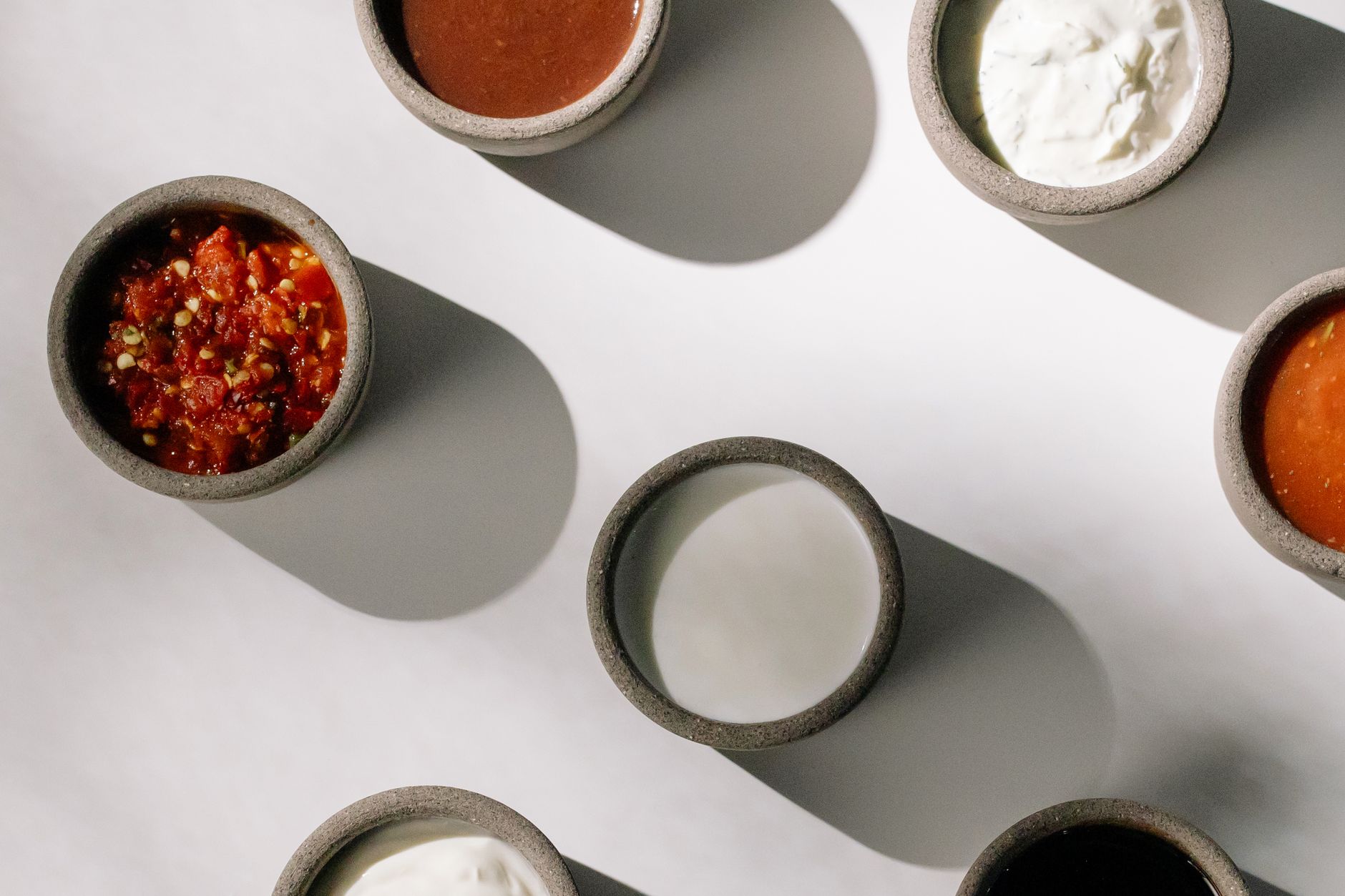
The term “mother sauces” refers to the five foundational sauces in classical French cuisine. These sauces serve as the base for a variety of derivative sauces, enhancing flavors, textures, and presentation in countless dishes. Understanding each mother sauce can significantly elevate your culinary skills and broaden your cooking repertoire.
This article will explore what these mother sauces are, their taste profiles, ideal textures, and kitchen uses, allowing you to apply them effectively in a range of recipes.
What Are the Mother Sauces?
The mother sauces consist of five main sauces: Béchamel, Velouté, Espagnole, Tomato, and Hollandaise. Each of these sauces has its unique preparation method, flavor profile, and application in culinary practices.
Béchamel Sauce
Béchamel is a creamy white sauce made from milk, flour, and butter. It forms the base for many creamy dishes and is often associated with pasta and gratins.
Taste and Texture
Béchamel has a rich, creamy flavor that is mild and slightly nutty, thanks to the butter and flour. Its texture is smooth and velvety, making it an excellent medium for binding ingredients together.
Kitchen Uses
- Base for cheese sauces, like Mornay sauce.
- Foundation for lasagna and mac and cheese.
- Thickening agent in creamy soups.
Velouté Sauce
Velouté is a light, stock-based sauce that serves as a versatile ingredient in many dishes. The name translates to “velvety,” a nod to its smooth texture.
Taste and Texture
This sauce has a delicate flavor, depending heavily on the stock used, such as chicken, fish, or vegetable stock. Its texture is silky and slightly thickened from the roux used in its preparation.
Kitchen Uses
- Serves as a base for sauces like Sauce Allemande and Sauce Suprême.
- Enhances flavors in pot pies and casseroles.
- Used in braising meats or vegetables.
Espagnole Sauce
Espagnole, or brown sauce, is a rich and complex sauce made from brown stock, tomatoes, mirepoix, and a dark roux. This sauce is fundamental for deep, robust flavors in many dishes.
Taste and Texture
Espagnole has a deep, rich flavor with a slight bitterness from the caramelized flour. It is thick and hearty, making it ideal for enriching dishes.
Kitchen Uses
- Base for demi-glace, a classic sauce in fine dining.
- Enhances flavor in stews and braised meats.
- Used in gravies and sauces served with red meats.
Tomato Sauce
Tomato sauce is made from cooked tomatoes and can be seasoned with various herbs and spices. This sauce is vibrant and versatile, often serving as a foundation for other Italian sauces.
Taste and Texture
Tomato sauce boasts an acidic, slightly sweet flavor with a chunky texture, but the consistency can be adjusted based on cooking time and method.
Kitchen Uses
- Base for pasta dishes and pizza.
- Used in baked dishes such as casseroles or ratatouille.
- Flavors soups and stews.
Hollandaise Sauce
Hollandaise is an emulsified sauce made from egg yolks, melted butter, and lemon juice or vinegar. It’s often associated with elegant brunch dishes like Eggs Benedict.
Taste and Texture
This sauce has a rich, buttery flavor, with a slight tang from the acidity. Its creamy, smooth texture makes it luxurious and decadent.
Kitchen Uses
- Enhances brunch dishes like Eggs Benedict and avocado toast.
- Used as a drizzle over vegetables or fish.
- Can be transformed into various derivative sauces like Béarnaise.
How to Make Each Mother Sauce
Each mother sauce follows a basic technique that reflects its unique character. Below are concise recipes for each sauce, allowing you to practice making them at home.
Béchamel Sauce Recipe
- In a saucepan, melt 2 tablespoons of butter over medium heat.
- Whisk in 2 tablespoons of all-purpose flour and cook for about 2 minutes, stirring constantly to create a roux.
- Gradually add 2 cups of milk while whisking to prevent lumps. Continue to stir until the sauce thickens, about 5-7 minutes.
- Season with salt, pepper, and a pinch of nutmeg to taste.
Velouté Sauce Recipe
- Melt 2 tablespoons of butter in a saucepan over medium heat.
- Add 2 tablespoons of flour, stirring constantly for about 2 minutes to form a roux.
- Gradually whisk in 2 cups of chicken (or vegetable or fish) stock. Bring to a gentle simmer.
- Cook for about 20 minutes until slightly thickened and optional seasonings are added.
Espagnole Sauce Recipe
- Start by cooking a mirepoix (1 chopped onion, 1 chopped carrot, and 1 celery stalk) in 2 tablespoons of butter until softened.
- Add 2 tablespoons of flour and cook until the roux is dark brown, about 3-4 minutes.
- Add 4 cups of brown stock and 1 cup of diced tomatoes, whisk to combine.
- Simmer on low heat for 45 minutes, skimming excess fat as needed. Strain the sauce before serving.
Tomato Sauce Recipe
- In a large saucepan, heat 2 tablespoons of olive oil over medium heat. Add 1 chopped onion and cook until translucent.
- Add 2 cloves of minced garlic and cook for another minute.
- Add 4 cups of canned crushed tomatoes, 1 teaspoon of salt, and seasonings like basil or oregano.
- Simmer for at least 30 minutes to develop flavors. Adjust seasoning before serving.
Hollandaise Sauce Recipe
- In a heatproof bowl, whisk together 3 egg yolks, 1 tablespoon of water, and 1 tablespoon of lemon juice until frothy.
- Place the bowl over a pot of simmering water (double boiler) and whisk constantly while slowly drizzling in ½ cup of melted butter.
- Keep whisking until the sauce thickens and doubles in volume. Season with salt and a dash of cayenne pepper.
Practical Tips for Working with Mother Sauces
Mastering mother sauces can significantly enhance your cooking. Here are some tips and variations to consider:
Tips for Béchamel
- Use whole milk for a creamier sauce.
- Whisk slowly to prevent lumps.
- Store in the refrigerator for up to three days; reheat gently.
Tips for Velouté
- Experiment with different stocks for varying flavors.
- Add cream for a richer sauce.
- Can freeze pourable portions for easy future use.
Tips for Espagnole
- Blend with red wine for a robust taste.
- Can be used as a base for sauces pairs well with red meats.
- Store tightly covered and reheat carefully.
Tips for Tomato Sauce
- Use fresh tomatoes in season for a brighter flavor.
- Customize with herbs for different cuisines.
- Can be frozen in portions for convenience.
Tips for Hollandaise
- Use an immersion blender for easy emulsification.
- Monitor the temperature carefully to avoid scrambling the eggs.
- Leftover sauce can be stored but may need whisking again before serving.
Common Mistakes and Troubleshooting
Making mother sauces can be intimidating, but common pitfalls can often be easily avoided.
Béchamel Troubles
- **Lumpy sauce**: Whisk vigorously while adding milk to prevent lumps from forming.
- **Too thick**: Gradually add more milk until desired consistency is reached.
Velouté Troubles
- **Thin sauce**: Increase the cooking time to promote thickening.
- **Grainy texture**: Ensure the roux is cooled slightly before adding stock.
Espagnole Troubles
- **Bitter sauce**: Avoid overcooking the roux.
- **Too salty**: Balance with a bit of sugar or a splash of vinegar.
Tomato Sauce Troubles
- **Too acidic**: Add a pinch of sugar to balance the acidity.
- **Watery**: Simmer longer to reduce liquid.
Hollandaise Troubles
- **Sauce separating**: Remove from heat and whisk until smooth, add a small amount of cold water if needed.
- **Too thick**: Gradually whisk in warm water until the desired consistency is achieved.
Creating Derivative Sauces
Several sauces can be made using mother sauces as their base. Here are a few well-known derivatives:
Derived from Béchamel
- Mornay Sauce: Add cheese (e.g., Gruyère) to Béchamel for a creamy cheese sauce.
- Mustard Sauce: Stir in prepared mustard for a flavorful twist.
Derived from Velouté
- Suprême Sauce: Add cream to Velouté to create a rich, creamy sauce.
- Allemande Sauce: Enrich with cream and egg yolks for a luxurious finish.
Derived from Espagnole
- Demi-Glace: Combine equal parts Espagnole and brown stock, then reduce until thickened.
- Madeira Sauce: Add Madeira wine for a sweet, rich flavor.
Derived from Tomato Sauce
- Marinara Sauce: A simplified version made with garlic and herbs.
- Arrabbiata Sauce: Incorporate red pepper flakes for heat.
Derived from Hollandaise
- Béarnaise Sauce: Add shallots, tarragon, and vinegar for a herbaceous flavor.
- Choron Sauce: Combine Hollandaise with tomato puree for a unique sauce.
Conclusion
Understanding the mother sauces allows a culinary enthusiast to create a multitude of dishes with varying flavors and textures. By mastering each mother sauce and practicing derivatives, you can enhance your meals significantly.
Start experimenting with the mother sauces in your kitchen today to unlock their potential in creating delicious, flavorful meals. Discover more culinary ideas such as a Mornay sauce recipe or vibrant Romesco sauce.