
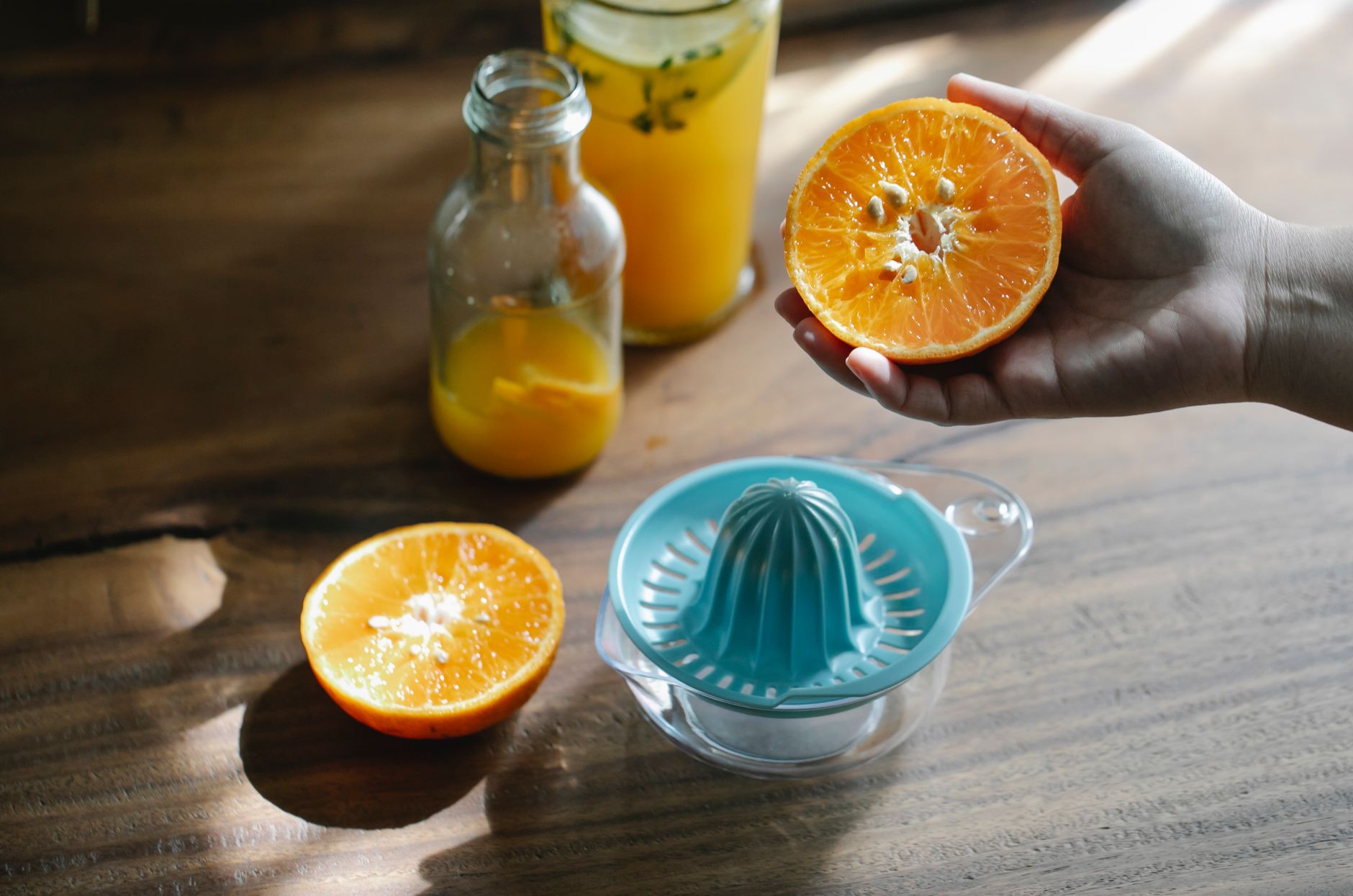
Juicing has gained immense popularity as a quick and convenient way to consume fruits and vegetables. It promises a burst of nutrients in a refreshing drink that can easily fit into a busy lifestyle. But is juicing good for you? Understanding its nutritional value, benefits, and potential drawbacks is essential in making informed dietary choices.
This article explores the various aspects of juicing, including what it offers, how it compares to whole fruits and vegetables, and the practical considerations to keep in mind as you integrate juicing into your diet.
Is Juicing Good for You?
Juicing can be good for you when incorporated thoughtfully into a balanced diet. It allows for the consumption of essential vitamins, minerals, and antioxidants. However, it often lacks dietary fiber and can be high in sugars, making moderation key to reaping its benefits.
Understanding Juicing: What It Is and How It Works
Juicing is the process of extracting liquid from fruits and vegetables. This process can be done using various methods, including using a juicer, blender, or even a simple hand-squeezing technique. The end result is a drink that is rich in vitamins and minerals, depending on the types of produce used.
When you juice fruits and vegetables, you extract the juice while leaving behind the fibrous pulp. This is what contributes to the varying nutritional profiles between juice and whole foods.
Benefits of Juicing
There are numerous potential benefits to juicing, making it an appealing choice for many individuals. Here are some of the key benefits:
- Nutrient Density: Juices can be packed with vitamins, minerals, and antioxidants that are crucial for maintaining good health.
- Quick and Convenient: Juicing provides a fast way to consume multiple servings of fruits and vegetables, which may otherwise be challenging for some.
- Hydration: Juices contain a high water content, aiding in hydration while delivering nutrients.
- Enhanced Digestion: Juicing may offer a break for the digestive system due to lower fiber content, which can be beneficial during detoxification periods.
- Customizable Flavors: Juicing allows you to experiment with different combinations of fruits and vegetables, tailoring flavors to your personal preferences.
Nutritional Comparison: Juice vs. Whole Fruits and Vegetables
While juicing provides various health benefits, it is important to compare the nutrition of juices to whole fruits and vegetables. The major differences include:
- Fiber Content: Whole fruits and vegetables contain dietary fiber, which is essential for digestive health. Juices lack significant fiber, which can lead to less feeling of fullness.
- Sugar Levels: Juicing can increase the concentration of sugars consumed. For instance, a juice made from several apples can have more sugar than eating one whole apple.
- Satiation: Eating whole fruits and vegetables can lead to greater satiation, as the fiber content contributes to feelings of fullness, potentially reducing overall calorie intake.
Common Juicing Ingredients and Their Health Benefits
Different fruits and vegetables can provide unique health benefits when juiced. Here are some common juicing ingredients and their nutritional pros:
- Kale: Rich in vitamins A, C, and K, plus calcium and antioxidants, kale promotes bone health and supports immune function.
- Carrots: High in beta-carotene, carrots contribute to good vision and improved skin health.
- Beets: Beets are known for their anti-inflammatory properties and ability to improve blood flow and lower blood pressure.
- Apples: Providing a good amount of vitamin C and antioxidants, apples can enhance gut health and support weight management.
- Ginger: Ginger is recognized for its digestive benefits and anti-inflammatory properties, making it a great additive to any juice.
A Closer Look at Juice Types
When considering juicing, it’s crucial to understand the differences among various types of juices:
- Cold-Pressed Juice: Made by pressing fruits and vegetables without heat, cold-pressed juices are intended to retain maximum nutrients.
- Fresh Juice: Prepared on-demand from fresh produce, fresh juice maintains higher nutrient levels compared to pre-packaged options.
- Store-Bought Juice: Often pasteurized or containing added sugars and preservatives, store-bought juices can lack nutrients found in freshly made options.
- Green Juice: Typically includes leafy greens, which are nutrient-dense and low in calories, promoting overall health.
Practical Considerations When Juicing
While juicing offers benefits, it also requires careful consideration. Here are some practical tips to make the most of your juicing experience:
Portion Control
Since juices can be high in natural sugars, practicing portion control is important. A serving size of juice is typically around 8 ounces.
Choose Variety
To maximize nutritional benefits, mix different fruits and vegetables in your juices. This will provide a wider range of vitamins and minerals.
Mind the Additives
Be cautious with store-bought juices that may contain added sugars or preservatives. Always try to opt for 100% juice with no added ingredients.
Balance with Whole Foods
Make sure that juicing complements your diet rather than replaces whole fruits and vegetables. Incorporate fiber-rich foods to maintain digestive health.
Common Juicing Mistakes to Avoid
While juicing can be beneficial, it is also easy to slip into common pitfalls:
- Overconsumption: Drinking excessive amounts of juice can lead to consuming too many sugars and calories without the fiber benefits.
- Ignoring Nutritional Intake: Relying solely on juice diets can lead to nutrient deficiencies; maintain balance with other food sources.
- Skipping Cleaning: Neglecting to clean your juicer can lead to bacterial growth, making your juicing experience hazardous.
Storing and Preparing Your Juice
Juice is best consumed immediately after preparation to enjoy maximum nutrients and freshness. However, if you need to store it, consider these tips:
- Storage Container: Use glass containers to preserve the freshness and flavor of your juice.
- Refrigeration: Keep your juice in the refrigerator and consume it within 24 to 48 hours for optimal health benefits.
Detox and Juice Cleanses: Are They Necessary?
Juice cleanses claim to detoxify the body by promoting the consumption of fresh juices for a limited time. While some people may find temporary weight loss, most experts agree that the body has natural detox mechanisms in place and doesn’t require cleanses. It’s crucial to approach juice cleanses with caution and consult health professionals if you have underlying conditions.
Creating Your Custom Juice Recipes
To help you get started with juicing, consider these foundational recipes that highlight the natural flavors and health benefits of different ingredients:
Basic Green Juice
This refreshing green juice is perfect for beginners:
- 1 cup kale or spinach
- 1 green apple, cored
- 1 cucumber, peeled
- 1 lemon, juiced
- 1-inch piece of ginger, peeled
Instructions:
- Wash all the produce thoroughly.
- Cut the apple, cucumber, and lemon as necessary for your juicer.
- Feed all ingredients through your juicer.
- Mix well and serve chilled.
Beet and Carrot Juice
This vibrant juice combines sweet beets and carrots for a nutrient-rich drink:
- 1 medium beet, peeled
- 2 medium carrots, scrubbed
- 1 apple, cored
- 1-inch piece of fresh ginger
Instructions:
- Prepare all ingredients by washing and peeling as directed.
- Juice all the ingredients until fully extracted.
- Stir the juice and serve over ice if desired.
Conclusion
Juicing can offer a convenient way to boost your nutrient intake and support a healthy lifestyle, provided it is consumed in moderation and balanced with whole foods. When done correctly, it can be an enjoyable part of your dietary routine, providing freshness and flavor while enhancing your overall wellness.
Explore related recipes like chia seeds for health benefits or try out a delicious chia pudding recipe for a nutritious dessert option. Your health journey can be both enlightening and tasty!