
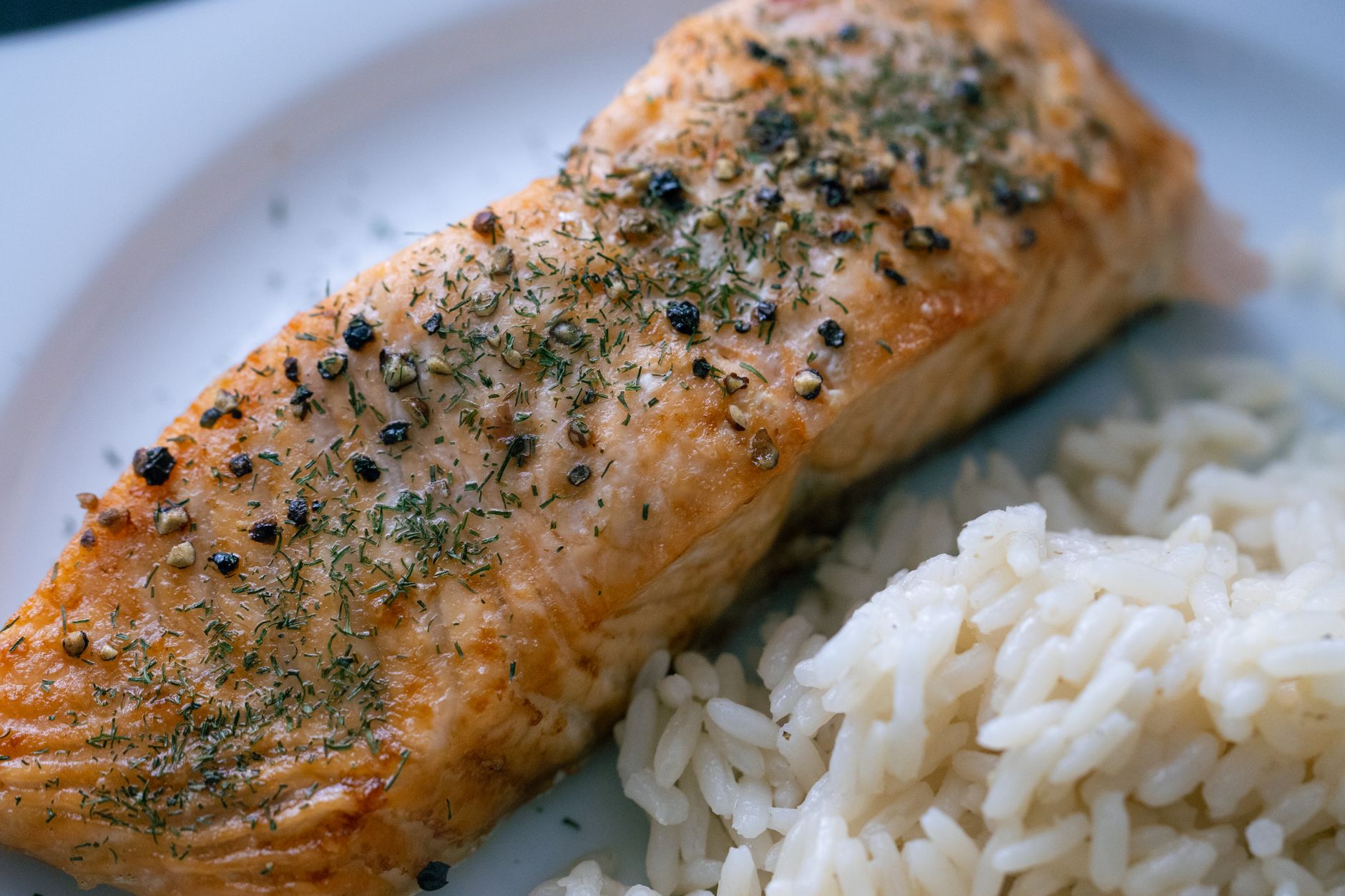
Salmon is a beloved fish known for its rich flavor, health benefits, and versatility. Baking salmon is one of the simplest cooking methods that yields delicious results. When baking salmon, a common question arises: how long should I bake salmon at 350°F?
In this guide, we’ll explore the ideal timing for baking salmon at 350°F, ensure you understand the doneness indicators, and provide helpful tips for preparing this exquisite fish. Whether you’re new to cooking salmon or looking to perfect your technique, we’ve got you covered.
How Long Should I Bake Salmon At 350?
Baking salmon at 350°F usually takes between 20 to 25 minutes for an average fillet. However, the exact time will depend on the thickness of the salmon and the size of the fillet. It’s essential to check for doneness using both cooking time and visual cues to ensure perfectly cooked salmon.
Understanding Salmon and Its Cooking Times
Salmon comes in various cuts, including fillets, steaks, and whole fish, and different types, such as Atlantic, Sockeye, and Coho. The factors that affect baking time include:
- Thickness of the fillet or steak
- Bone-in versus boneless
- Freshness of the salmon
- Desired doneness level
Generally, thicker cuts will require more time, while thinner cuts will cook faster. A good rule of thumb is to allow for 4-6 minutes of baking time per half-inch of thickness at 350°F.
Recommended Baking Time for Different Cuts
Here’s a breakdown of the baking times based on the thickness of the salmon:
| Thickness | Cooking Time |
|---|---|
| 1 inch | 20-25 minutes |
| 1.5 inches | 25-30 minutes |
| 2 inches | 30-35 minutes |
How to Prepare Salmon for Baking
Preparing salmon for baking is easy and involves a few simple steps to enhance its flavor and ensure even cooking:
- Choose Fresh Salmon: Look for bright, shiny skin and a clean smell. Fresh salmon should have no gray spots or browning.
- Rinse and Pat Dry: Rinse the salmon under cold water and gently pat it dry with paper towels.
- Seasoning: Season the salmon with salt, pepper, and any other seasonings you prefer. Lemon, garlic, herbs, and spices like paprika or cumin can add delightful flavors.
- Grease Your Baking Dish: Lightly grease a baking dish or line it with parchment paper for easy cleanup.
How to Bake Salmon at 350°F
Here’s a simple step-by-step method to bake salmon at 350°F:
- Preheat the Oven: Preheat your oven to 350°F (175°C).
- Prepare the Salmon: Place the prepared salmon in the greased baking dish. If desired, add lemon slices on top for flavor.
- Season: Sprinkle any additional herbs, spices, or marinades on the salmon.
- Bake: Place the salmon in the preheated oven and bake according to the thickness of the fish.
- Check Doneness: Use a food thermometer to ensure an internal temperature of 145°F. The salmon should flake easily with a fork when done.
- Rest and Serve: Allow the salmon to rest for a few minutes before serving. This helps the juices redistribute.
Indicators of Doneness in Salmon
To know when your salmon is perfectly cooked, pay attention to these indicators:
- Internal Temperature: Salmon should be cooked to an internal temperature of 145°F. Use a meat thermometer to check.
- Flesh Color: Cooked salmon will turn from a translucent reddish-pink to an opaque pink.
- Flakiness: The salmon should flake easily with a fork. If it resists flaking, it likely needs more time.
Common Mistakes to Avoid When Baking Salmon
While baking salmon is generally straightforward, it’s easy to make some common mistakes. Here’s what to avoid:
- Overcooking: Salmon can dry out if overcooked. Use a thermometer to prevent this.
- Not Seasoning Enough: Salmon is flavorful on its own, but adding herbs and spices can elevate the dish.
- Cooking From Frozen: If using frozen salmon, thaw it first for even cooking. Cooking from frozen can lead to uneven results.
Serving Suggestions for Baked Salmon
Baked salmon can be paired with a variety of sides to create a complete meal. Here are some ideas:
- Vegetables: Asparagus, broccoli, or green beans work well as healthy sides.
- Grains: Quinoa, rice, or whole grain pasta can complement the salmon beautifully.
- Salads: A fresh salad with greens, tomatoes, and a lemon vinaigrette balances the richness of the salmon.
Enhancing Flavor: Marinades and Seasonings
Marinating salmon before baking can enhance its flavor significantly. Here are some marinade ideas:
- Lemon-Dijon: Combine lemon juice, Dijon mustard, olive oil, salt, and pepper.
- Maple Glaze: A mixture of maple syrup, soy sauce, and garlic creates a sweet and savory finish.
- Herbed Butter: Mix softened butter with garlic, parsley, and dill for a classic flavor.
Storing and Reheating Baked Salmon
Leftover salmon can be stored and reheated properly to maintain its quality:
- Storage: Place any leftover salmon in an airtight container in the refrigerator for up to 3 days.
- Reheating: To reheat, bake the salmon at 300°F until warmed through, about 10-15 minutes, to avoid drying it out.
Final Thoughts on Baking Salmon
Baking salmon at 350°F is a straightforward method that yields delicious, tender, and flaky results when done right. By keeping an eye on the thickness, checking for doneness, and seasoning to taste, you can enjoy a delightful salmon dish any day of the week.
Whether you’re hosting a dinner party or preparing a simple weeknight meal, baked salmon is versatile enough to accommodate a variety of cuisines and sides. Don’t forget to experiment with flavors using marinades and different seasonings.
If you’re interested in exploring more ways to cook seafood, consider checking out how long to cook tilapia or how long to bake boneless pork chops for more delicious ideas.