
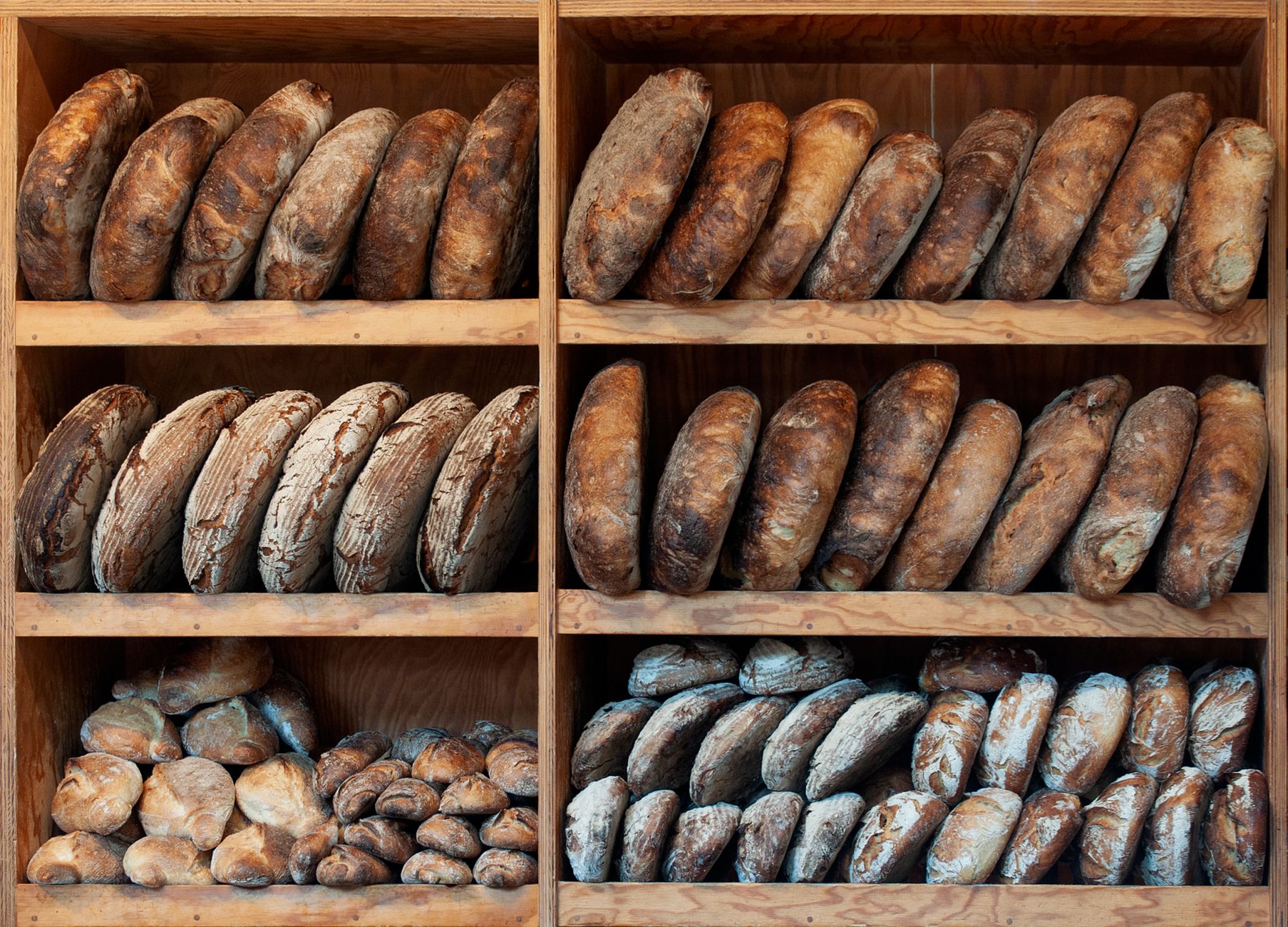
When it comes to bread, sourdough and whole wheat are two popular options among health-conscious eaters. The debate over which is better, however, isn’t just about flavor; it involves a deeper look into health benefits, digestion, and even baking techniques. This article aims to compare sourdough bread and whole wheat bread in terms of taste, texture, nutritional value, and baking methods.
Understanding the differences between these two types of bread can guide your choices, whether you aim to optimize your diet, explore baking, or simply enjoy delicious bread with your meals. Let’s delve into the details and find out whether sourdough bread is indeed better than whole wheat.
Is Sourdough Bread Better Than Whole Wheat?
Sourdough bread has unique fermentation processes that may enhance its health benefits compared to whole wheat bread. While both types offer nutritional goodness, sourdough is often easier to digest and has a lower glycemic index. This characteristic may make it a better option for some individuals.
Sourdough vs. Whole Wheat: An Overview
To better understand the comparison, it is important to define what each type of bread is and how they are made. Here, we’ll dive into the characteristics, pros, and cons of each type.
Sourdough Bread
Sourdough bread is made through a natural fermentation process that utilizes wild yeast and lactic acid bacteria present in the environment. This process gives sourdough its distinct tangy flavor and chewy texture. Here are some essential aspects of sourdough bread:
- Fermentation Process: Sourdough is leavened through a starter culture, often taking longer to rise compared to bread made with commercial yeast.
- Nutritional Aspects: The fermentation process may enhance the bioavailability of nutrients, making minerals easier to absorb.
- Flavor Profile: Sourdough has a unique, complex flavor due to the fermentation, often described as tangy or slightly sour.
- Texture: The texture is usually chewy with a crispy crust, which many find appealing.
Whole Wheat Bread
Whole wheat bread is made from whole grain wheat flour. It retains the bran and germ, which are rich in nutrients. Here’s what you should know about whole wheat bread:
- Processing: Whole wheat bread is made from flour that hasn’t been refined, preserving the grain’s nutritional content.
- Nutritional Aspects: It is an excellent source of fiber, vitamins, and minerals, offering many health benefits.
- Flavor Profile: Whole wheat bread has a nutty flavor, which can vary in intensity depending on the brand and type.
- Texture: The texture can range from dense and hearty to soft and fluffy, depending on the preparation method.
Nutritional Comparison
Both sourdough and whole wheat bread have their unique nutritional advantages. However, their nutritional profiles can differ significantly based on the fermentation process and the type of flour used. Let’s break down their nutritional content.
Sourdough Bread Nutrition
While the specific nutritional values can vary by recipe, a typical slice of sourdough bread (about 28g) contains approximately:
- Calories: 70-80
- Carbohydrates: 15g
- Protein: 2g
- Fat: 0g
- Fiber: 1g
Additionally, sourdough’s fermentation process can break down gluten and phytic acid, leading to higher availability of minerals like magnesium, iron, and zinc.
Whole Wheat Bread Nutrition
A slice of whole wheat bread (about 28g) generally offers:
- Calories: 70-80
- Carbohydrates: 14g
- Protein: 3-4g
- Fat: 1g
- Fiber: 2-3g
Whole wheat bread is beneficial for its high fiber content, which promotes digestive health, helps regulate blood sugar levels, and can aid in weight management.
Health Benefits and Considerations
Both types of bread have various health benefits but cater to different dietary needs. Understanding these benefits can influence your choice.
Health Benefits of Sourdough Bread
- Probiotic Potential: The fermentation process creates beneficial bacteria that may support gut health.
- Lower Glycemic Index: Sourdough bread generally has a lower glycemic index, making it a better choice for those monitoring blood sugar levels.
- Enhanced Mineral Absorption: Fermentation breaks down compounds that inhibit mineral absorption, allowing your body to retain more nutrients.
- Digestibility: The longer fermentation can make sourdough easier to digest for some individuals, particularly those with gluten sensitivities (not celiac disease).
Health Benefits of Whole Wheat Bread
- High Fiber Content: Promotes healthy digestion and can help lower cholesterol levels.
- Rich in Nutrients: Provides B vitamins, vitamin E, magnesium, iron, and antioxidants.
- Heart Health: The fiber and nutrients in whole wheat can help reduce the risk of heart disease.
- Weight Management: The fiber content aids in satiety and can assist in weight control.
Flavor and Texture Comparison
Flavor and texture play a significant role in your bread choices. Here’s how sourdough and whole wheat compare in this regard:
Sourdough Bread
Sourdough has a distinct tangy, complex flavor profile due to its fermentation process. The crust is often crispy, while the interior is chewy and airy. The flavor can also vary based on the fermentation time and the type of flour used in the starter.
Whole Wheat Bread
Whole wheat bread tends to have a nuttier and slightly sweet flavor. Its texture can be dense or fluffy depending on how it is prepared. Some may find it less exciting than sourdough, primarily if they are accustomed to white bread.
Baking Techniques and Processes
If you enjoy baking, understanding the techniques associated with each type of bread can significantly improve your baking results.
Baking Sourdough Bread
When baking sourdough, there are several specific techniques to keep in mind:
- Starter Preparation: A healthy starter is essential for rising and flavor. Regular feeding and monitoring are crucial.
- Autolyse: Mixing flour and water and allowing it to rest enhances gluten formation and dough extensibility.
- Stretch and Fold: Regularly stretching and folding the dough during fermentation helps build strength without kneading.
- Final Shaping: Properly shaping the loaf is vital to structure; use tension to create surface strength.
Baking Whole Wheat Bread
Baking whole wheat bread involves different techniques as well:
- Kneading: Whole wheat dough often benefits from thorough kneading to develop gluten.
- Hydration: Whole wheat flour absorbs more water, so adjusting hydration can lead to better results.
- Shorter Rise Times: Dough made with whole wheat flour generally requires shorter rise times than white flour dough.
Practical Baking Tips
Regardless of which type of bread you choose to bake, there are valuable tips that can enhance your experience:
- Use High-Quality Ingredients: The quality of flour can significantly affect the texture and flavor of your bread. Opt for organic or fresh milled flour whenever possible.
- Temperature Matters: Monitor the temperature of both the ingredients and the environment, as it affects fermentation and rising times.
- Experiment with Flours: Mix different flours (like spelt or rye) for unique flavors and textures.
- Practice Patience: Allow dough to fully ferment and rise for the best results; rushing can lead to dense bread.
Storage and Shelf Life
Proper storage is key to enjoying sourdough and whole wheat bread at their finest. Here’s how to store each type:
Storing Sourdough Bread
- Wrap the bread in a clean, dry cloth and place it in a paper bag for short-term storage.
- For longer storage, slice the bread and place it in an airtight container in the freezer.
- Thaw at room temperature, or warm in the oven for a few minutes before serving.
Storing Whole Wheat Bread
- Store in a cool, dry place in an airtight container to keep it from drying out.
- Like sourdough, whole wheat bread can be sliced and frozen for extended freshness.
Common Mistakes and Troubleshooting
Baking bread can be a trial-and-error process. Here are common mistakes and solutions for both sourdough and whole wheat breads:
Sourdough Troubleshooting
- Flat Loaf: Could be due to insufficient rise time or weak starter; make sure to feed your starter regularly.
- Tough Texture: Over-kneading or using too much flour can lead to toughness; monitor hydration levels and mixing time carefully.
Whole Wheat Troubleshooting
- Dense Bread: Insufficient kneading or inadequate hydration may lead to dense bread; consider increasing water or kneading longer.
- Bread Not Rising: Check the yeast’s expiration date or ensure the dough stays warm during rising.
Conclusion: Choosing the Right Bread for You
When choosing between sourdough and whole wheat bread, consider your dietary preferences, health goals, and personal taste. Both breads have distinct advantages, and neither is categorically better. Sourdough may be a preferable option for those looking for easier digestibility, while whole wheat bread shines with its fiber content and nutrients.
Ultimately, the best choice depends on your individual needs and what aligns with your culinary preferences. Whether you choose to bake your own or purchase from the store, both sourdough and whole wheat offer numerous possibilities for delicious and nutritious meals.
For an exciting baking adventure, try out a sourdough recipe or explore the unique flavors of einkorn sourdough bread. Happy baking!