
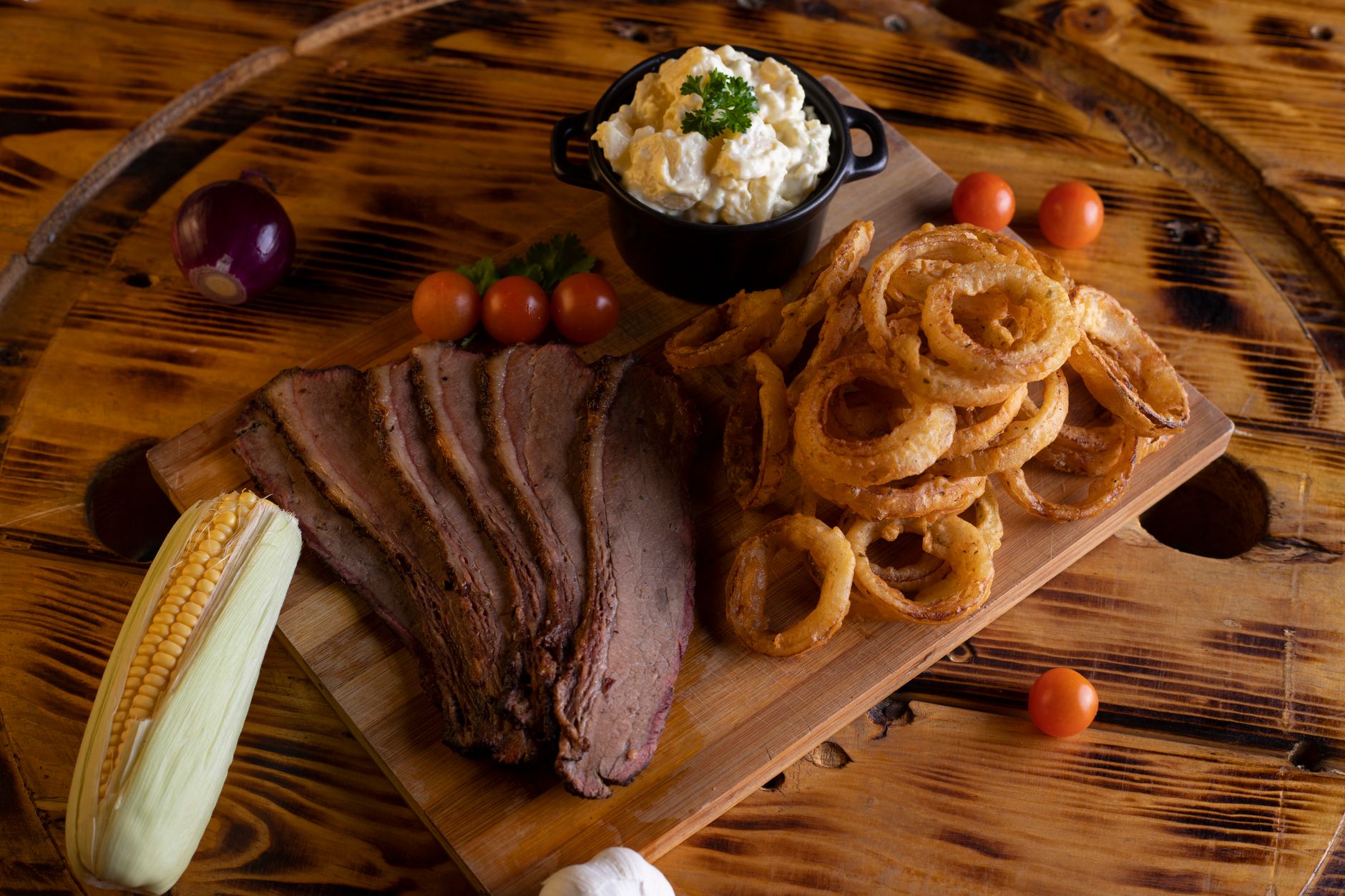
Corned beef is a popular cured meat that has been enjoyed for generations. Known for its flavorful, tender texture, this beef product is often associated with St. Patrick’s Day celebrations, but it has myriad culinary uses throughout the year. Understanding corned beef in terms of its preparation, uses, and serving ideas can enhance your cooking and dining experiences.
This article provides an in-depth look at corned beef, including its definition, historical background, notable types, and various ways to use it in your cooking. Whether you’re curious about how to prepare corned beef at home or ways to incorporate it into meals, this guide has you covered.
Corned Beef: What Is It?
Corned beef is a type of salt-cured beef that typically comes from the brisket, a cut from the lower chest of the cow. The term “corned” originates from the large grains of salt, historically referred to as “corns,” used in the curing process. This method of preservation is believed to date back centuries and is traditionally associated with Jewish and Irish cuisine.
The curing process imbues the meat with a savored flavor while also extending its shelf life. After curing, corned beef is often boiled, but it can also be roasted or smoked, depending on regional variations in preparation.
How is Corned Beef Made?
The preparation of corned beef is relatively straightforward but does require time and patience. The basic steps involved in making corned beef are outlined below:
- Brining: The beef is submerged in a brine solution made from water, salt, and various spices such as black peppercorns, mustard seeds, and bay leaves. This process allows the meat to absorb flavors and moisture over several days.
- Curing: Along with salt, sodium nitrite is often added to the brine. This ingredient helps preserve the meat’s pink color and prevents bacterial growth.
- Cooking: Once the curing process is complete, the corned beef can be cooked in various ways. It is most commonly boiled, but it can also be baked or slow-cooked for enhanced flavor and tenderness.
The History of Corned Beef
Corned beef has a rich history that reflects a blend of cultures. The practice of brining meats has existed for centuries, with the Jewish communities in Eastern Europe playing a significant role in its culinary adoption. Jewish immigrants brought their traditions to the United States, where corned beef became a staple in deli culture, particularly in New York City.
In Ireland, corned beef is often associated with St. Patrick’s Day, where it was consumed by Irish immigrants in America as a substitute for bacon, which was harder to procure. Over time, it evolved into a symbolic dish of Irish-American heritage.
Types of Corned Beef
While the term “corned beef” typically refers to the cured brisket, there are several variations worth noting:
- Traditional Corned Beef Brisket: The most common cut, brisket is found in most grocery stores and is ideal for boiling or slow cooking.
- Point Cut vs. Flat Cut: The brisket can be divided into two pieces, the point cut (which is fattier and has more flavor) and the flat cut (leaner and easier to slice). Choose based on personal taste and intended use.
- Spiced Corned Beef: This variety is prepared with a variety of spices, giving it a bold flavor profile. It is often seasoned with additional ingredients such as garlic, thyme, or clove.
Culinary Uses for Corned Beef
Corned beef is incredibly versatile, making it suitable for an array of dishes. Here are some popular ways to use corned beef in your cooking:
1. Reuben Sandwich
The Reuben sandwich is an iconic American dish consisting of corned beef, Swiss cheese, sauerkraut, and Russian or Thousand Island dressing, all grilled between slices of rye bread. This hearty sandwich combines tangy, savory, and creamy flavors for a satisfying meal.
2. Corned Beef Hash
Corned beef hash is a hearty breakfast dish made by sautéing diced corned beef and potatoes, often topped with fried eggs. The combination of textures and flavors makes it a delicious breakfast or brunch option.
3. Corned Beef and Cabbage
This dish is particularly popular on St. Patrick’s Day, where corned beef is boiled with cabbage and carrots, resulting in a flavorful one-pot meal. The tender beef pairs wonderfully with the sweetness of naturally roasted vegetables.
4. Salads
Corned beef can also add heartiness to salads. Slice or shred it and toss it onto a bed of greens alongside ingredients like cheese, pickles, and mustard dressing to create a robust salad.
5. Tacos and Burritos
Don’t hesitate to use corned beef in unexpected ways, like in tacos or burritos. Shredded corned beef can complement ingredients like peppers, onions, and cheese, making for a delicious fusion meal.
Cooking Techniques for Corned Beef
There are several effective methods for cooking corned beef, each producing tender and flavorful results. Understanding these techniques can help you achieve the best outcome for your meal.
Boiling Corned Beef
Boiling is the most traditional method for cooking corned beef. This technique ensures that the meat remains tender and juicy.
- Place the corned beef in a large pot and cover it with cold water. You can also add spices from the brine bag if provided.
- Bring the water to a boil, then reduce the heat to low. Simmer for approximately 2.5 to 3 hours, or until tender.
- Let the meat rest, then slice it against the grain to serve.
Slow Cooking Corned Beef
Using a slow cooker is an excellent option for corned beef, allowing the flavors to meld and the meat to become tender over an extended period.
- Arrange the corned beef in the slow cooker. Add chopped vegetables, like carrots and potatoes, if desired.
- Pour in enough water to cover the meat halfway. Add seasoning as needed.
- Cook on low for 8 hours or high for approximately 4 hours, until the meat is tender.
Oven Roasting Corned Beef
If you prefer a crispy exterior, try roasting corned beef in the oven. This method can add a delightful contrast in texture.
- Preheat the oven to 300°F (150°C).
- Place the corned beef in a roasting pan, add water to cover the bottom, and cover the pan tightly with foil.
- Roast for about 3 hours or until tender. To develop a crust, uncover the pan for the last 30 minutes of cooking.
Common Mistakes When Cooking Corned Beef
While cooking corned beef may seem simple, there are potential pitfalls. Here are common mistakes to avoid:
- Cooking at Too High a Temperature: Boiling or roasting at high temperatures can dry out the meat. Always cook corned beef on low heat for optimal tenderness.
- Skipping the Soaking Step: If you have especially salty corned beef, it might be beneficial to soak the meat in water for a few hours before cooking to remove excess salt.
- Failing to Cut Against the Grain: To enhance tenderness, always slice corned beef against the grain. Cutting with the grain can result in chewier bites.
Serving Suggestions for Corned Beef
Corned beef can be served in various delightful ways. Here are several ideas to help you round out your dishes:
- Pair with Sauerkraut: The tartness of sauerkraut beautifully complements the richness of corned beef, adding a refreshing crunch.
- Create a Platter: Serve corned beef on a platter with assorted mustards, pickles, and rye bread for a delicious charcuterie option.
- Make Corned Beef Sliders: Use small rolls to create sliders, adding toppings like cheese, coleslaw, or fried onions.
Storing and Reheating Corned Beef
Proper storage and reheating techniques are essential to maintaining the quality of corned beef. Here’s how to safely store and reheat your corned beef:
Storage
Corned beef should be stored in an airtight container in the refrigerator if it is homemade. It can last for about 3 to 4 days when stored properly.
If you want to keep it for a more extended period, consider freezing it. Wrap it tightly in plastic wrap or foil, then place it in a freezer bag. Frozen corned beef can last for up to 2 to 3 months.
Reheating
The best way to reheat corned beef is gently to maintain its moist texture:
- Microwave: Place slices on a microwave-safe plate, cover with a damp paper towel, and heat on medium power in short bursts until warm.
- Stovetop: Place slices in a skillet with a splash of broth or water. Cover and warm over low heat, turning occasionally.
Practical Substitutions for Corned Beef
If you find yourself without corned beef but wish to make a similar dish, consider these substitutions:
- Pastrami: This variation is also cured, spiced, and often smoked, making it a delicious alternative for sandwiches.
- Roast Beef: Thinly sliced roast beef can provide a similar flavor and texture while being more readily available.
- Veggie Options: For a plant-based alternative, consider using tempeh or seitan, which can be marinated and seasoned to achieve akin textures and flavors.
Final Thoughts
Corned beef is a versatile and flavorful ingredient that can elevate many dishes. With its rich history and multiple preparations, it continues to hold a beloved place in various culinary traditions. Whether you choose to enjoy it in a sandwich, as a holiday feast, or as part of a creative dish, understanding the ins and outs of corned beef makes you a more informed cook.
For further exploration in the world of delicious recipes, consider trying out our Corn Nuggets Recipe or our delightful Corn Souffle Recipe. Happy cooking!