
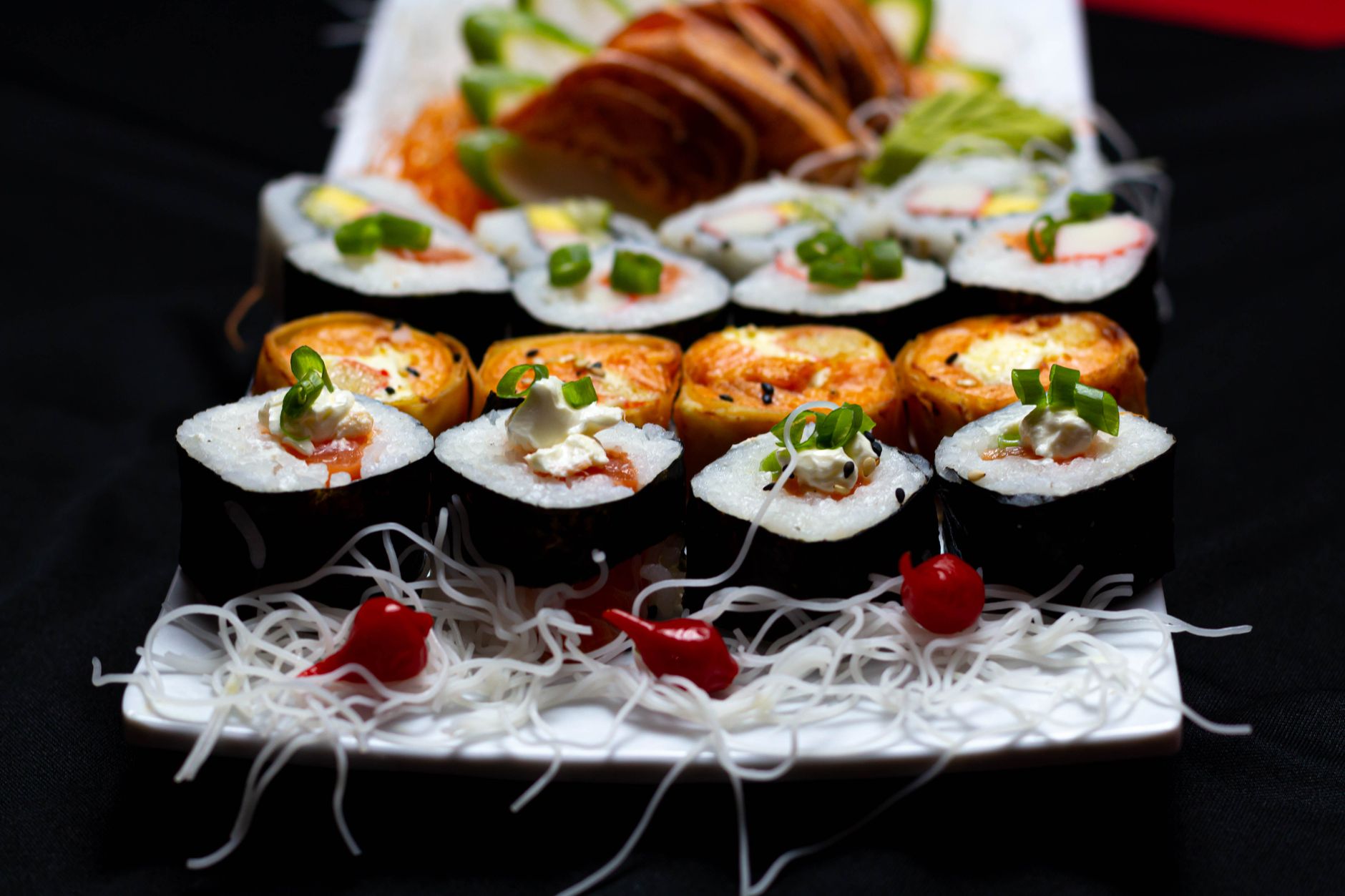
Sushi is a celebrated Japanese dish that has gained global popularity due to its unique flavors, textures, and artistic presentation. Its preparation involves a marriage of fresh ingredients and meticulous craftsmanship. Understanding why sushi is made gives insight into its cultural significance, diverse varieties, and the essential techniques used in its preparation.
This article explores the reasons sushi is made, its historical background, the ingredients used, and practical serving ideas. Whether you are preparing sushi at home or enjoying it at a restaurant, understanding its origins and preparation will enhance your appreciation of this delightful cuisine.
Why Is Sushi Made?
Sushi is made for several reasons, including cultural tradition, flavor complexity, and nutritional value. It embodies the Japanese philosophy of using seasonal, fresh ingredients, and emphasizes simplicity and elegance in presentation. Sushi also serves as a culinary art form, showcasing the skills of the sushi chef.
The Historical Background of Sushi
Sushi has ancient roots, dating back to the 8th century in Southeast Asia, where it was first made using fermented rice to preserve fish. Over time, this food preservation method evolved, giving rise to various styles of sushi we know today. The modern sushi that most people are familiar with originated in Japan during the Edo period (1603-1868), when it transformed into a fast food alternative sold in Edo (now Tokyo) streets.
Initially, sushi was primarily eaten as a street food, characterized by vinegar-seasoned rice topped with raw fish. The combination of flavors and textures, as well as the convenience of eating it on-the-go, contributed to its popularity.
The Core Elements of Sushi
Understanding the components of sushi is crucial in appreciating why it is made. Sushi fundamentally consists of three main elements: vinegared rice, seafood or proteins, and various accompaniments.
Vinegared Rice
The foundation of sushi, known as shari or su-meshi, is Japanese short-grain rice that is seasoned with rice vinegar, sugar, and salt. The rice’s sticky texture allows it to hold together when shaped into sushi. The preparation of vinegared rice is meticulous; it requires washing the rice to remove excess starch, cooking it to the perfect texture, and seasoning it to achieve a balance of flavors.
Seafood and Proteins
Raw fish is often the star of sushi, but it can also include other proteins such as cooked shrimp, crab, and even vegetables for vegetarian options. Common types of fish used in sushi include tuna, salmon, and yellowtail. Each type of fish brings distinct flavors and textures, showcasing the chef’s skills in handling fresh, high-quality ingredients.
Accompaniments and Garnishes
Sushi can be served with various accompaniments, including pickled ginger, wasabi, and soy sauce. Pickled ginger acts as a palate cleanser between different sushi pieces, while wasabi adds a spicy kick. Soy sauce enhances the overall flavor and adds umami depth, making these garnishes essential to the sushi-eating experience.
Types of Sushi and Their Uses
Sushi comes in various forms, each with its own preparation method and presentation style. Understanding these types helps in recognizing why sushi is made in certain ways and for different culinary experiences.
Nigiri
Nigiri is a hand-formed mound of vinegared rice topped with a slice of raw or cooked fish. It showcases the quality of the fish used and allows for different flavor profiles. Nigiri is often garnished with wasabi or a dab of soy sauce. It is commonly enjoyed as a stand-alone piece or as part of a sushi platter.
Sashimi
Sashimi refers to thinly sliced raw fish served without rice. While not technically sushi, it is frequently served alongside sushi. Sashimi highlights the freshness and flavor of the fish, allowing diners to appreciate the quality. It is often accompanied by soy sauce and wasabi for dipping.
Maki
Maki is rolled sushi that consists of vinegared rice and fillings wrapped in seaweed or nori. Maki can contain a variety of ingredients, such as vegetables, avocado, and different types of fish. It is cut into bite-sized pieces before serving and is popular for its diverse options and eye-catching presentation.
Uramaki is a type of maki sushi where the rice is on the outside and the nori is on the inside, encasing the fillings. This style gained popularity outside Japan, particularly in the West. Uramaki often incorporates various ingredients, making it a creative way to enjoy sushi flavors.
Temaki
Temaki, or hand rolls, are cone-shaped pieces of nori filled with rice, fish, and vegetables. They are designed for hand-held consumption, making them a fun and interactive way to enjoy sushi. The casual nature of temaki makes it a great option for parties and gatherings.
The Nutritional Aspects of Sushi
One of the reasons why sushi is made is its health benefits. When prepared with fresh ingredients, sushi can be a nutritious meal option. The components of sushi contribute various nutrients:
- Protein: Fish and seafood are excellent sources of high-quality protein that supports muscle health.
- Omega-3 Fatty Acids: Fatty fish, like salmon and tuna, are rich in omega-3s, which promote heart and brain health.
- Vitamins and Minerals: Sushi often contains vegetables, offering essential vitamins like A and C, fiber, and more.
- Low in Calories: When made with healthy ingredients, sushi can be low in calories, making it a suitable choice for those mindful of their diet.
Making Sushi at Home: Essential Equipment
If you’re excited about making sushi at home, having the right equipment is crucial for achieving great results. Here’s a list of essential tools:
- Sushi Mat: A bamboo sushi mat, or makisu, is vital for rolling sushi evenly.
- Rice Cooker: A rice cooker ensures perfectly cooked sushi rice with the right sticky texture.
- Sharp Knife: A sharp knife is necessary for slicing fish cleanly and evenly.
- Mixing Bowl: A bowl for mixing the seasoned rice and another for rinsing the raw ingredients.
- Plastic Wrap: Useful for covering the sushi mat to prevent sticking when rolling.
Step-by-Step Guide to Making Sushi
Now that you have an understanding of sushi and the essential tools, here is a simple guide to making sushi at home:
- Prepare the Rice: Rinse 2 cups of sushi rice under cold water until the water runs clear. Cook according to your rice cooker’s instructions.
- Season the Rice: While the rice is cooking, combine 1/4 cup rice vinegar, 2 tablespoons sugar, and 1 teaspoon salt in a small saucepan. Heat until dissolved; do not boil. Once the rice is cooked, mix it with the vinegar solution in a bowl. Let it cool.
- Prepare Fillings: Slice your choice of fish (like salmon or tuna) and vegetables (like cucumbers and avocados) into thin strips.
- Assemble Sushi: Place a sheet of nori on the sushi mat, shiny side down. Wet your hands with water and spread a thin layer of rice over the nori, leaving a border at the top. Place your desired fillings in the center.
- Roll the Sushi: Using the sushi mat, roll away from you, applying gentle pressure to create a tight roll. Seal the edge with a bit of water.
- Slice and Serve: Use a sharp knife to slice the roll into bite-sized pieces. Serve with soy sauce, wasabi, and pickled ginger.
Common Mistakes to Avoid When Making Sushi
Making sushi at home can be challenging. Here are common mistakes to avoid:
- Using the Wrong Rice: Stick to sushi rice, as other varieties can lead to poor stickiness and texture.
- Overcooking the Rice: Follow cooking instructions carefully; overcooked rice can become mushy.
- Piling on Fillings: Too many fillings can make it difficult to roll and can lead to a messy presentation.
- Not Using Fresh Fish: Always use high-quality, fresh fish to ensure safety and flavor.
- Skipping Seasoning: Properly seasoning the rice is essential for achieving balanced flavors.
Serving Ideas for Sushi
How you serve sushi can enhance the dining experience. Here are some creative serving ideas:
- Platter Presentation: Arrange different types of sushi on a large platter for a sushi feast. Add garnishes like pickled ginger and edible flowers for aesthetics.
- Sushi Rolls as Appetizers: Slice sushi rolls into smaller pieces for easy snacking. Serve with dip and cocktail sticks for a casual gathering.
- Themed Sushi Night: Host a themed sushi night where guests can customize their rolls with various fillings and condiments.
- Pair with Drinks: Complement sushi with beverages such as sake or green tea that enhance the flavors of the dish.
Storage and Reheating of Sushi
If you have leftover sushi, it’s essential to store it properly. Sushi is best consumed fresh, as the rice can harden when refrigerated. Here are storage tips:
- Refrigerating: Store leftover sashimi and maki sushi in an airtight container. Consume within 24 hours for the best quality.
- Avoid Freezing: Freezing sushi is not recommended since it degrades the texture and flavor of the fish and rice.
- Food Safety: If using raw fish, ensure it has been properly kept at safe temperatures before and after preparation.
Exploring Variations and Substitutions
Sushi is highly versatile and can be adapted to different preferences and dietary restrictions. Here are variations and substitutions to consider:
- Vegetarian Sushi: Instead of fish, use vegetables like bell peppers, carrots, or tofu as fillings.
- Brown Rice Sushi: For a healthier option, substitute white sushi rice with brown rice for added fiber.
- Creative Fillings: Experiment with different proteins such as smoked salmon or marinated tofu to create unique flavors.
Knowing why sushi is made and the various elements involved contributes to a richer culinary experience, encouraging exploration and creativity in the kitchen. You can enjoy this traditional dish by understanding its roots and experimentation with flavors and ingredients. Whether served at a restaurant, prepared at home, or shared with friends, sushi remains a delicious testament to the artistry of Japanese cuisine.
For more culinary insights, be sure to check out how soy sauce is made in our article, or explore our delightful lox recipe for another tasty seafood option!