
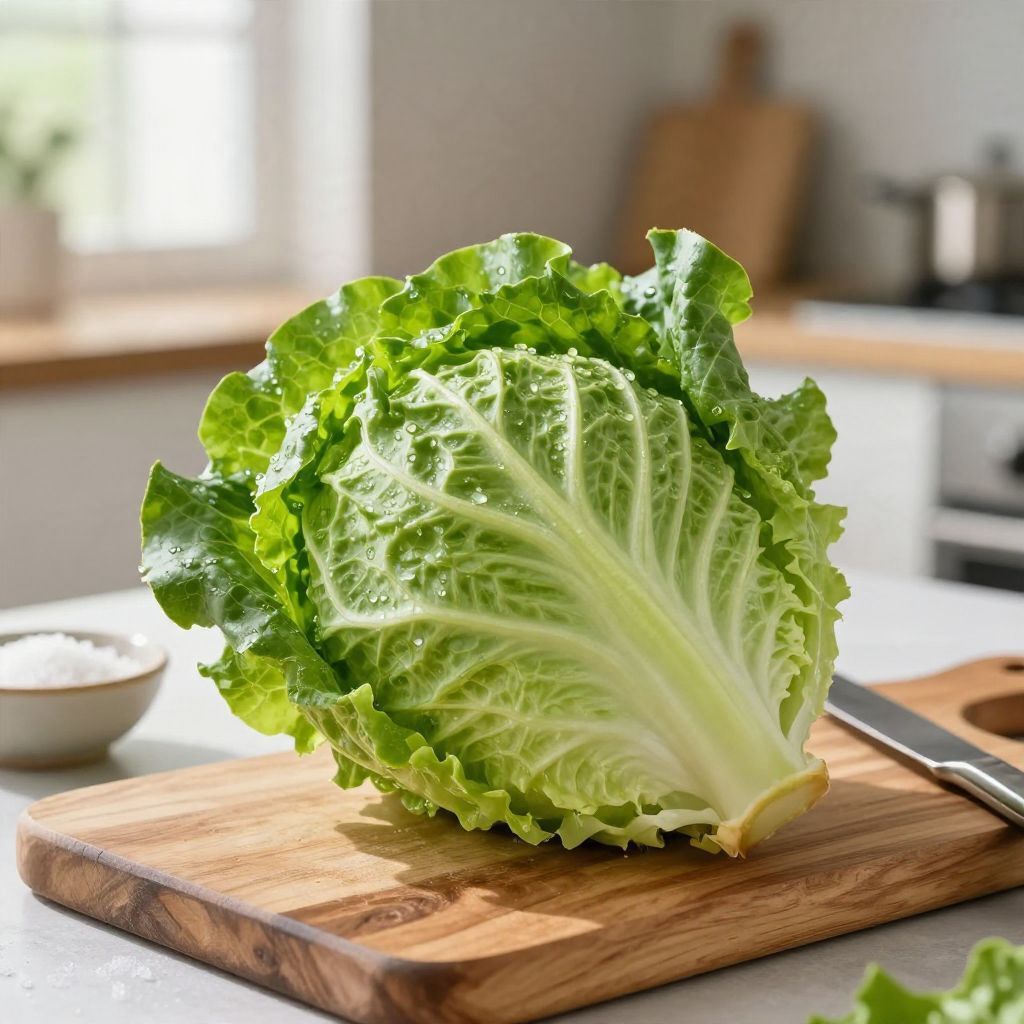
Iceberg lettuce has long been a staple in salads and sandwiches, prized for its crisp texture and mild flavor. However, recent food safety considerations may make you wonder: is it safe to eat iceberg lettuce right now? In this article, we’ll explore the current state of iceberg lettuce safety, potential concerns, and how to enjoy this refreshing vegetable worry-free.
Understanding the safety of iceberg lettuce involves not just knowing where it comes from, but also how to properly wash, store, and prepare it. With the right practices, you can confidently include iceberg lettuce in your meals.
Is It Safe to Eat Iceberg Lettuce Right Now?
As of now, iceberg lettuce is generally considered safe to eat. However, as with all raw produce, it’s crucial to stay informed about food safety alerts and current recalls. The best way to ensure the safety of your iceberg lettuce is to wash it thoroughly and follow safe handling guidelines.
Understanding Food Safety Risks
Iceberg lettuce can be susceptible to contamination by pathogens like E. coli and Salmonella, often traced back to agricultural practices or unsanitary processing conditions. Outbreaks associated with lettuce products highlight the importance of evaluating the source and practicing good hygiene in food preparation.
Recent Health Concerns
Recent years have seen several multi-state outbreaks linked to leafy greens, including iceberg lettuce. These outbreaks emphasize the importance of being aware of public health notifications related to food safety:
- Monitor updates from the Centers for Disease Control and Prevention (CDC) and the Food and Drug Administration (FDA) regarding produce recalls.
- Check local health department websites for alerts specific to your area.
- Listen for information from grocery retailers that might issue their own recalls based on supplier notices.
Washing and Handling Iceberg Lettuce
Proper washing and handling of iceberg lettuce can significantly reduce risk. Here are key steps to follow:
- Choose Quality Lettuce: Select heads of lettuce that are firm and without blemishes. Avoid any iceberg with brown spots or wilting.
- Wash Your Hands: Always wash your hands with warm soapy water before handling any food.
- Rinse the Lettuce: Rinse the head of iceberg lettuce under cold running water, ensuring that you remove any visible soil and residues.
- Use a Brush: For iceberg, which may have crevices, using a vegetable brush can help remove dirt more effectively.
- Dry It Off: After washing, use a clean towel or a salad spinner to dry the lettuce as moisture can promote bacterial growth.
Storage and Shelf Life of Iceberg Lettuce
Storing iceberg lettuce properly will help maintain its freshness and safety. Here are some tips for storage:
- Temperature: Keep iceberg lettuce in the refrigerator, ideally in the produce drawer, where the temperature is more stable.
- Storage Environment: Wrap iceberg lettuce in paper towels to absorb excess moisture and place it in a perforated plastic bag or a container that allows for airflow.
- Ideal Conditions: Aim to use your iceberg lettuce within one week for best quality, though properly stored heads can last up to two weeks.
Signs of Spoilage
Before consuming iceberg lettuce, inspect it for signs of spoilage:
- Brown spots or discoloration
- Excessive wilting or softness
- An off odor
If you notice any of these signs, it’s best to discard the lettuce to avoid potential health risks.
Cooking with Iceberg Lettuce
While iceberg lettuce is often enjoyed raw, it can also be cooked. Cooking can help to reduce many pathogens, making it a safe option, though it does change the texture and flavor. Here are some ideas:
- Grilled Iceberg Wedges: Cut iceberg into wedges, brush with olive oil, and grill until slightly charred for a unique side dish.
- Stir-fry: Add shredded iceberg lettuce at the end of a stir-fry for a crunchy texture and fresh taste.
- Soup: Incorporate iceberg lettuce into soups or broths for a light, refreshing touch.
Common Questions about Iceberg Lettuce Safety
What should I do if a recall is issued?
If a recall is issued for iceberg lettuce, discard any products that match the description, and avoid buying from the affected sources. Check if your grocery store offers information about recalled items, and stay updated via health department announcements.
Is it safe to eat iceberg lettuce during a salad bar outbreak?
During a salad bar outbreak linked to lettuce, it’s prudent to avoid eating any raw leafy greens, including iceberg. Cooked options or other non-lettuce items may be safer in such cases.
How should I prepare iceberg lettuce for salads?
To prepare iceberg lettuce for salads, wash it thoroughly as outlined, dry it, and chop it into bite-sized pieces. Pair it with fresh vegetables, nuts, or proteins to create a tasty salad. Consider using a vinaigrette dressing to enhance flavors.
Iceberg Lettuce Alternatives and Nutritional Considerations
If you’re looking for variety or have concerns about iceberg lettuce, consider these alternatives:
- Romaine Lettuce: A dark leafy option with a similar crunch, higher in nutrients like fiber and vitamins.
- Butter Lettuce: Softer and sweeter, while still versatile in salads and wraps.
- Spinach: A highly nutritious alternative that can offer different flavors and textures.
Nutritional Profile
Iceberg lettuce is low in calories and carbohydrates while being a source of hydration, given its high water content. However, it is often noted for being less nutrient-dense compared to darker leafy greens, which offer higher amounts of vitamins A, C, and K. Consider using a mix of leafy greens to enhance the nutritional quality of your meals.
Conclusion
Currently, it is generally safe to eat iceberg lettuce, provided you follow food safety guidelines and stay informed about any potential recalls. Remember to wash your produce thoroughly and store it correctly for the best experience. Whether you enjoy it in a fresh salad or as part of a cooked dish, iceberg lettuce can still shine on your plates.
For those seeking to combine iceberg lettuce with bold flavors, try whipping up a Wilted Lettuce or a vibrant Asian Slaw. Exploring these recipes can add excitement to your meals and keep your dining experience delightful.