
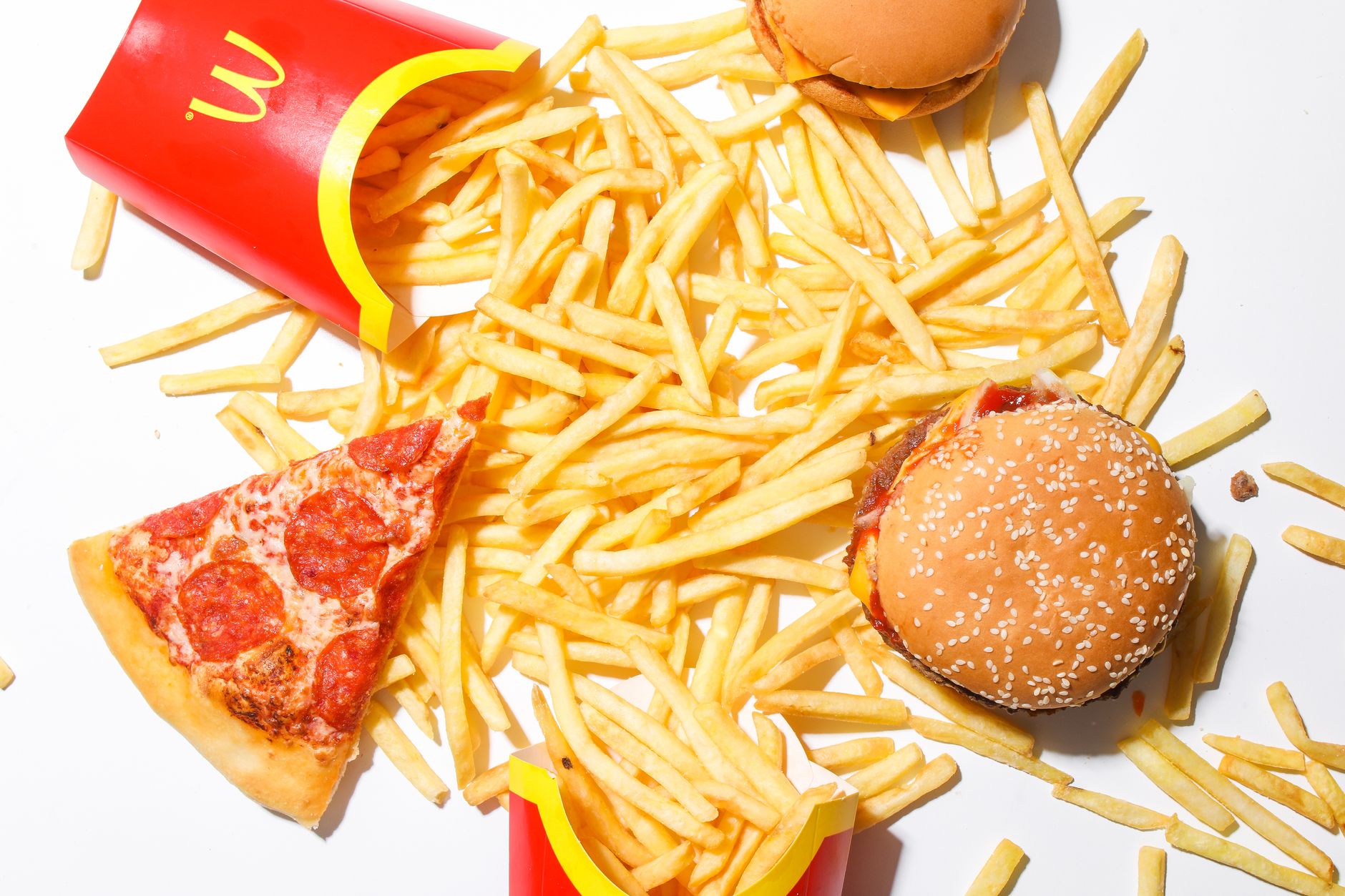
The McDonald’s cheeseburger is a classic fast-food item that has satisfied cravings for decades. It’s portable, affordable, and an iconic part of many people’s diets. However, if you’re watching your carbohydrate intake, you might be wondering just how many carbs are in a McDonald’s cheeseburger.
This article will break down the carbohydrates found in a McDonald’s cheeseburger, along with a closer look at its ingredients, nutritional data, and alternatives for those looking for lower-carb options.
How Many Carbs Are in a McDonald’s Cheeseburger?
A standard McDonald’s cheeseburger contains approximately 33 grams of carbohydrates. This total includes the bun, cheese, hamburger patty, onions, pickles, and ketchup. Understanding the breakdown of these carbohydrates can help you make better dietary choices.
Nutritional Breakdown of a McDonald’s Cheeseburger
Alongside carbohydrates, it’s essential to consider the entire nutritional content of a cheeseburger. Here’s a breakdown of what you can expect:
- Calories: Approximately 300 kcal
- Fat: About 12 grams
- Protein: Roughly 15 grams
- Sugar: 7 grams
- Sodium: 680 milligrams
- Dietary Fiber: 2 grams
Understanding these values can help you better assess how a cheeseburger fits into your overall diet.
Components of a McDonald’s Cheeseburger
To get a clearer picture of the carb content, let’s examine the individual components of the cheeseburger:
Bun
The bun is one of the primary sources of carbohydrates in a cheeseburger. A typical McDonald’s cheeseburger bun contains approximately 25 grams of carbohydrates.
Cheese
The slice of cheese adds minimal carbs—about 1 gram—making it a lesser contributor to the overall count.
Hamburger Patty
The beef patty itself has negligible carbohydrates, generally less than 1 gram. Instead, its value primarily lies in protein and fat content.
Condiments and Vegetables
The onions and pickles contribute about 2 grams of carbohydrates, while the ketchup typically adds around 5 grams, depending on how much is used. The combined total from vegetables and condiments rounds out the carbs nicely.
Why Watch Carbohydrate Intake?
Monitoring carbohydrate intake is vital for several reasons. For individuals following a low-carb diet, such as the ketogenic diet, understanding how many carbs are in your food is crucial. Excessive carbohydrate consumption can also affect blood sugar levels for those with diabetes.
What Alternatives Exist for Low-Carb Diets?
If you’re concerned about the carb content in a McDonald’s cheeseburger but don’t want to miss out, consider the following alternatives:
McDonald’s Lettuce Wrap
Ordering your cheeseburger wrapped in lettuce is a popular low-carb option. Substituting the bun with lettuce significantly reduces the total carb count, bringing it down to around 8-10 grams depending on the amount of ketchup used.
Protein Style Burgers
Some fast-food locations, including McDonald’s, may offer protein-style burgers. This option replaces the bun with large slices of grilled chicken or an additional patty, which eliminates almost all carbs.
Savory Salads
If you’re looking for something different, McDonald’s salads can also satisfy cravings while keeping carbs lower than a burger. Opt for grilled chicken salads but be careful with dressing, which can add hidden sugars.
Customized Orders
Don’t hesitate to customize your order! Modifying your cheeseburger by removing high-carb ingredients like ketchup or asking for fewer pickles can also minimize the carb count.
Learn More About Carbohydrates
If you’re curious about how carbs fit into various foods, consider these valuable insights:
Importance of Carbohydrates
Carbohydrates serve as a primary energy source for our bodies. They are vital for powering brain function and physical activities. Yet, the quality of carbohydrates matters; whole grains, fruits, and vegetables are generally healthier options than processed foods.
Simple vs. Complex Carbohydrates
Carbohydrates can be divided into two categories: simple and complex. Simple carbohydrates can quickly spike blood sugar, while complex carbohydrates—such as those found in whole grains—digest slower and offer lasting energy. McDonald’s cheeseburger primarily features simple carbohydrates from its bun and condiments.
Carb Counting and Dining Out
Eating out can pose challenges for those monitoring their carbohydrate intake. Here are some practical tips for dining out:
- Research Menu Items: Check the nutritional information available on the restaurant’s website ahead of time.
- Ask Questions: Don’t hesitate to ask the staff about ingredient contents. They are often more than willing to help.
- Get Creative: Modify your meals to fit your dietary needs—most restaurants are accustomed to accommodating these requests.
Storing and Reheating Leftover Cheeseburgers
If you happen to have leftovers, here’s how to store and reheat them:
Storing Leftovers
Wrap the cheeseburger in aluminum foil or place it in an airtight container. Store it in the refrigerator for up to 3 days. For longer storage, consider freezing the burger, which will keep for up to 3 months.
Reheating
To reheat your cheeseburger, preheat your oven to 350°F (175°C). Place the wrapped burger in the oven for about 10-15 minutes or until heated through. Alternatively, you can use the microwave on low power for about 1-2 minutes, but this may make the burger soggy.
Conclusion
A McDonald’s cheeseburger contains approximately 33 grams of carbohydrates, making it a relatively moderate choice for those watching their carb intake. By understanding its nutritional content, exploring alternatives, and considering how to modify your orders, you can make informed decisions about your fast-food consumption. Always weigh your cravings against your dietary needs, and don’t hesitate to experiment with different options to satisfy your hunger without compromising your health goals.
If you’re interested in learning more about the carbohydrate content in various foods, consider exploring topics like the carbohydrate count in eggs or trying a homemade cheeseburger macaroni recipe for a delightful twist on a classic. Visit how many carbs are in eggs or try the cheeseburger macaroni recipe for additional insights.