
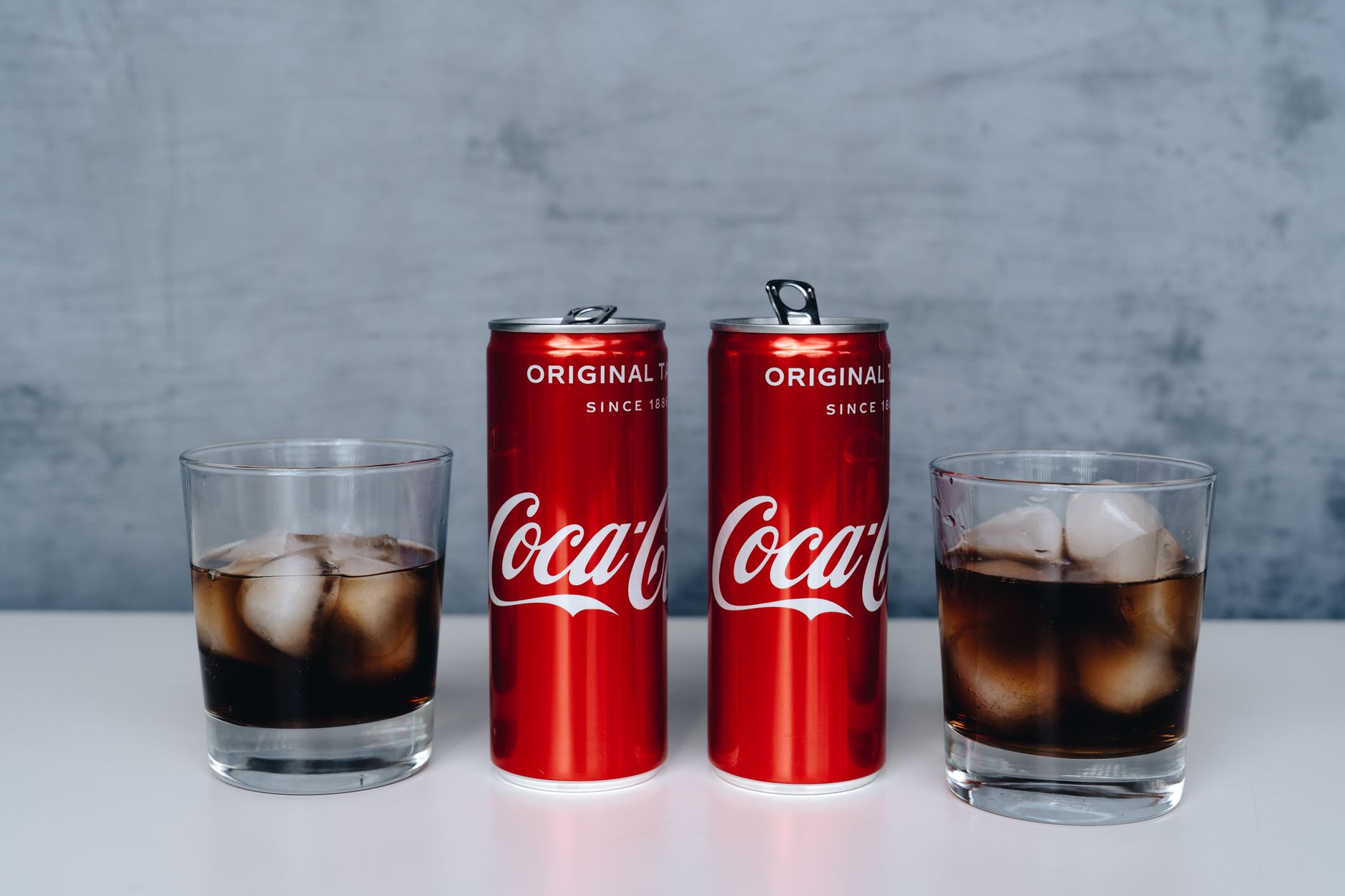
Soda has long been a popular beverage choice due to its effervescence, flavor variety, and convenience. However, one aspect that often goes unnoticed is the sugar content lurking behind those fizzy bubbles. With an increasing awareness of dietary health, knowing which sodas contain the highest sugar levels can help inform your choices. This article delves into the sugar content of various sodas, explores their common uses in culinary practices, and provides insights into healthier alternatives.
From classic colas to novel fruity flavors, the sugar content can widely vary, affecting not only your diet but also the way these drinks can be utilized in recipes and kitchen applications. Understanding which sodas pack the most sugar can aid in making informed decisions about what to sip—or mix in your cooking.
What Soda Has the Most Sugar?
The title question can be answered with specific brands and their respective sugar contents. Generally, some sodas can contain upwards of 40 grams of sugar per serving. A 12-ounce can of popular sodas like Coca-Cola Classic contains around 39 grams of sugar, while Mountain Dew clocks in at roughly 46 grams, making it one of the sodas with the most sugar content on the market.
In the quest for the “sweetest” soda, Pepsi’s “Pepsi Vanilla” variant can also be quite high on the list, with just over 41 grams of sugar per 12-ounce serving. Many sodas may also employ varying levels of high fructose corn syrup or other sweetening agents that further amplify the sugar content.
Why Sugar Content Matters
Sugar is not just a source of sweetness; it has significant implications for our health. High sugar intake is correlated with various health issues, including obesity, diabetes, and heart disease. Additionally, excessive sugar consumption can lead to energy spikes followed by sharp crashes, affecting mood and productivity.
A single serving of soda can sometimes exceed the American Heart Association’s recommended added sugar limits of approximately 25 grams per day for women and 37.5 grams for men. This makes it essential to be mindful of the sugary refreshment choices you make.
Exploring Sugar Levels by Type of Soda
Different sodas carry varying sugar levels based on their preparation and ingredients. Here’s a closer look:
- Colas: Traditional colas are generally high in sugar. The average 12-ounce can contains about 39-40 grams. Brands such as Coca-Cola, Pepsi, and RC Cola fall within this range.
- Fruit-flavored Sodas: Many fruit sodas surpass their cola counterparts. Fanta and Surge can reach up to 44-46 grams of sugar per 12-ounce serving.
- Diet Sodas: Often marketed as healthier choices, these sodas substitute sugar with artificial sweeteners, leading to minimal or no sugar content. However, the health impacts of these substitutes are still widely debated.
- Energizing Sodas: Some energy drinks and sodas can hit extremely high sugar numbers, with specific brands packing as much as 50 grams of sugar in a 12-ounce can.
Which Popular Sodas Are the Highest in Sugar?
Let’s break down a few notable sodas based on their sugar content per 12-ounce serving:
| Soda Name | Sugar Content (grams) |
|---|---|
| Mountain Dew | 46 |
| Dr. Pepper | 40 |
| Coca-Cola Classic | 39 |
| Pepsi Vanilla | 41 |
| Fanta Orange | 44 |
| Surge | 47 |
Kitchen Uses for Sodas
Beyond drinking, sodas make versatile ingredients in the kitchen. Here are some creative ways to incorporate various sodas into your cooking and baking:
Marinades and Glazes
The sweetness of sodas can create fantastic marinades or glazes for meats, especially chicken and pork. The sugar caramelizes when cooked, creating a beautiful glaze.
- Select a soda with complementary flavors, such as cola for barbecue chicken.
- Mix the soda with additional ingredients, like soy sauce, garlic powder, and Worcestershire sauce.
- Marinate your protein for a few hours before grilling or roasting.
Baking
Sodas can also be utilized in baking. For example, using a fruity soda in cake mixes can add moisture and flavor.
- Incorporate 12 ounces of lemon-lime soda into a cake mix for a delightful twist.
- Of course, adjust the liquid ingredients to maintain proper consistency.
- Mix with additional fruit or zest for enhanced flavor.
Cocktails and Mocktails
Sodas serve as excellent mixers in beverages. They can enliven the taste of cocktails or provide an enticing flavor in mocktails.
- Use colas as a base for classic cocktails, such as rum and cola.
- Try combining citrus-flavored sodas with fresh fruit juices for refreshing mocktails.
Healthier Alternatives to Sugary Sodas
As awareness of sugar’s impact on health grows, several alternatives cater to those looking to reduce sugar intake while still enjoying a refreshing beverage:
- Sparkling Water: Flavored or plain sparkling water offers fizz without the sugar. You can also add slices of fruits or herbs for natural flavor.
- Iced Herbal Teas: Unsweetened iced herbal teas can provide a refreshing taste without the sugar content of sodas.
- Kombucha: This fermented tea offers a tangy, fizzy drink with lower sugar levels and added probiotics.
Understanding Ingredient Labels
To make informed choices regarding beverage consumption, it’s essential to understand what to look for in ingredient labels:
- Added Sugars: Look for “added sugars” on the nutrition label. This can indicate how much sugar has been added beyond what is naturally present.
- Ingredient List: A short ingredient list often indicates a more authentic product. Pay attention to the types of sweeteners used.
- Serving Size: Make sure you are looking at the correct serving size; sugar content can vary based on different serving sizes.
Common Misconceptions About Soda Consumption
Despite their popularity, some misconceptions about soda consumption need to be clarified:
- Diet Soda is Healthier: While diet sodas are lower in calories, they may not necessarily be better for health due to artificial sweeteners’ controversial effects.
- Caffeine Content is the Worst Part: Many focus solely on caffeine but overlook the high sugar content that also contributes to health concerns.
- Occasional Indulgence is Fine: While moderation is key, the cumulative effect of consuming sugary drinks may still be troubling.
Practical Tips for Reducing Soda Intake
If you’re looking to cut back on sugary sodas, here are practical ways to transition:
- Gradual Reduction: Slowly decrease your soda consumption over time rather than stopping abruptly to avoid cravings.
- Try Alternatives: Substitute sodas with healthier drinks during specific occasions or times of the day.
- Maintain Hydration: Drink plenty of water throughout the day to stave off cravings for sugary beverages.
Conclusion
Understanding the sugar content of popular sodas can make a significant difference in your dietary choices. With some sodas containing excessive amounts of sugar, making choices with health in mind is essential. This knowledge extends beyond just drinking; it also informs cooking and baking practices. By exploring alternatives like sparkling water, iced teas, and even using sodas smartly in recipes, you can enjoy flavors while staying health-conscious.
For more creative ideas, check out our delicious Wendy’s Frosty recipe and learn how to make a unique Dirty Dr. Pepper. Discover ways to enjoy your favorites while making healthier choices!