
Starbucks is one of the world’s largest coffee chains, known for its diverse menu of coffee beverages. A significant number of customers prefer decaffeinated coffee, which can raise the question: how does Starbucks decaffeinate their coffee? Understanding the decaffeination process not only enhances one’s appreciation for coffee but also provides insight into the quality and flavor of the beverages offered.
This article will delve into the methods Starbucks uses to decaffeinate its coffee, the characteristics that define decaf coffee, and the menu options available for those who enjoy caffeine-free choices. Whether you are a decaf devotee or someone exploring caffeine-free alternatives, this guide will help you uncover the intricacies of Starbucks’ decaffeination process.
How Does Starbucks Decaffeinate Their Coffee?
Starbucks primarily uses the Swiss Water Process for decaffeinating its coffee. This method relies on the principles of osmosis and diffusion to remove caffeine while maintaining the coffee’s flavor profile. The Swiss Water Process is considered one of the most natural methods of decaffeination, avoiding chemical solvents, thereby appealing to health-conscious consumers.
The Swiss Water Process Explained
The Swiss Water Process involves several key steps to ensure that the final product retains the unique flavors of the coffee bean while removing the majority of its caffeine content. Here’s a closer look at how this method works:
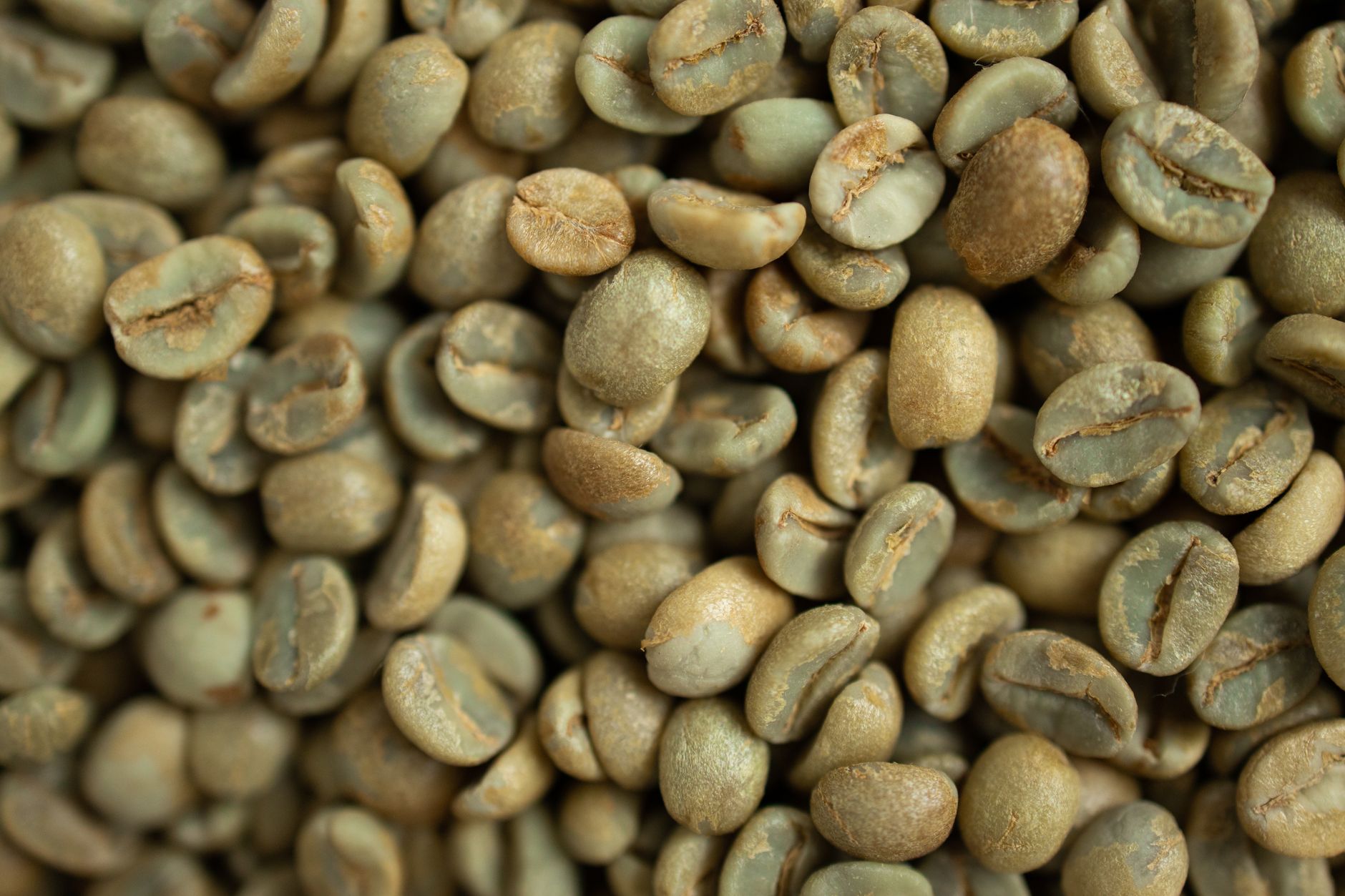
- Green Coffee Beans Soaking: The process begins with soaking green coffee beans in hot water. This step helps dissolve the caffeine and other soluble components present in the beans.
- Caffeine Filtration: The water containing caffeine and solubles is passed through a specialized carbon filter that allows caffeine molecules to pass through while retaining other components essential for flavor.
- Creating Flavored Water: The leftover water, now devoid of caffeine but rich in flavor, is known as “Green Coffee Extract” (GCE). This flavored water is set aside and used in subsequent batches of beans.
- Repeating the Process: Fresh green coffee beans are soaked in the GCE. The process continues, with caffeine being extracted without diminishing the flavor compounds because the flavored molecules already existed in the water.
- Drying and Storage: After several stages of soaking, the beans are then dried back to their original moisture content. They are now decaffeinated and ready for roasting.
Why Starbucks Chooses the Swiss Water Process
Starbucks opts for the Swiss Water Process for several reasons:
- Quality Control: This method is highly effective at preserving the flavor characteristics of the coffee, ensuring that customers enjoy a taste comparable to caffeinated options.
- Natural Approach: The absence of synthetic chemicals appeals to health-conscious consumers and those with dietary restrictions.
- Wide Variety: Many types of coffee beans can be decaffeinated this way, allowing Starbucks to offer a broad spectrum of flavor profiles.
Flavor Profile of Starbucks Decaf Coffee
Despite being decaffeinated, Starbucks maintains a range of flavor profiles across its decaf offerings. These coffees can exhibit vibrant acidity, smooth body, and intricate flavor notes—similar to their caffeinated counterparts. The taste can vary depending on the origin of the beans, whether they are sourced from Latin America, Africa, or Asia.
Decaf Coffee Options on the Starbucks Menu
Starbucks provides a variety of decaffeinated coffee options to cater to different preferences. Here’s a look at what you can expect when ordering decaf at Starbucks:
Espresso Drinks
Many espresso-based drinks can be customized to be decaffeinated, including:
- Decaf Espresso: The base for various drinks, ensuring a rich, robust flavor.
- Decaf Americano: Espresso mixed with hot water, perfect for those who enjoy a nuanced coffee experience without caffeine.
- Decaf Cappuccino: Espresso topped with steamed milk and foamed milk for a creamy delight.
- Decaf Latte: A smooth drink made with espresso and steamed milk, which can be flavored with syrups as desired.
Freshly Brewed Coffee
Starbucks also serves decaf brewed coffee, which is made using the same quality beans and brewing methods as their regular offerings. You can enjoy:
- Decaf Pike Place Roast: A smooth, well-balanced medium-roast coffee, available in decaf.
- Seasonal Decaf Options: Specialty drinks may also come in decaf versions, especially during holiday seasons.
Cold and Iced Beverages
Starbucks caters to iced coffee lovers with its offerings:
- Decaf Iced Coffee: Brewed decaf coffee served over ice, refreshing for warmer days.
- Decaf Iced Latte: A refreshing blend of decaf espresso and cold milk over ice.
Practical Considerations When Choosing Decaf
When opting for decaffeinated coffee at Starbucks or any coffee shop, there are a few things to consider:
- Flavor Variations: Different decaffeination methods can yield different flavor profiles, so if you have a favorite origin, check if it’s available in decaf.
- Decaf When Traveling: If you prefer decaf while traveling, Starbucks offers a reliable option, as they typically make decaf fresh daily.
- Allergies and Dietary Restrictions: Always communicate any allergies or dietary requests, as some drinks may include syrup or additives you may want to avoid.
Health Considerations
While decaf coffee does provide distinct health benefits, it’s essential to remember that it is not entirely caffeine-free, with small amounts of caffeine remaining. Key considerations include:
- Reduced Nervousness: Drinking decaf allows coffee lovers to enjoy the taste without experiencing jitters often associated with caffeine.
- Antioxidants: Decaf coffee still contains antioxidants, providing health benefits similar to regular coffee.
- Acid Sensitivity: Some may find decaf easier on the stomach, as it may produce less acidity than regular coffee.
How to Brew Decaf Coffee at Home
If you enjoy decaf coffee and wish to replicate the Starbucks experience at home, the brewing method matters significantly to the final taste:
Choosing Your Beans
Select high-quality decaffeinated beans from reputable roasters. Look for beans that have gone through the Swiss Water Process, as this will benefit the flavor quality.
Brewing Techniques
Consider the following popular brewing methods for making decaf coffee:
- French Press: Ground decaf coffee is steeped in hot water before pressing down the plunger. This method enhances the flavor by allowing oils to remain in the brew.
- Pour Over: Provides precise control over brewing time and temperature, ensuring a clean, flavorful cup.
Use a 1:15 coffee-to-water ratio for optimal results. - Drip Coffee Maker: A convenient method for making multiple cups; follow the coffee-to-water ratio recommended by the coffee maker specifications.
Common Mistakes to Avoid When Brewing Decaf Coffee
When making decaf coffee at home, consider these common pitfalls:
- Using Incorrect Ratios: Ensure you use the right coffee-to-water ratio; this affects strength and flavor.
- Oversteeping: Avoid leaving coffee steeping beyond the recommended time, as this can lead to bitterness.
- Low-Quality Beans: Choosing inferior beans can result in dull and flat-tasting coffee.
Storing Decaf Coffee
Proper storage of decaf coffee is crucial to maintaining its freshness:
- Cool and Dark Place: Store coffee in an airtight container in a cool, dark place to prolong freshness.
- Avoid Excessive Air Exposure: Minimize the coffee’s contact with air to prevent it from becoming stale.
- Whole Beans VS Ground: Whole beans generally stay fresher longer than pre-ground coffee.
Conclusion
Starbucks employs the Swiss Water Process to provide high-quality decaffeinated coffee that maintains the rich flavors coffee enthusiasts enjoy. Whether you are ordering a decaf espresso, brewing your own at home, or exploring the menu options at Starbucks, you can appreciate the care that goes into decaffeinated coffee. By understanding the process and something about your choices, you can enjoy your coffee experience without caffeine-related concerns.
Explore delicious drinks like the Caramel Ribbon Crunch Frappuccino and nutritious options such as the Protein Coffee. Each offers unique flavors while allowing you to savor coffee’s delightful essence!