
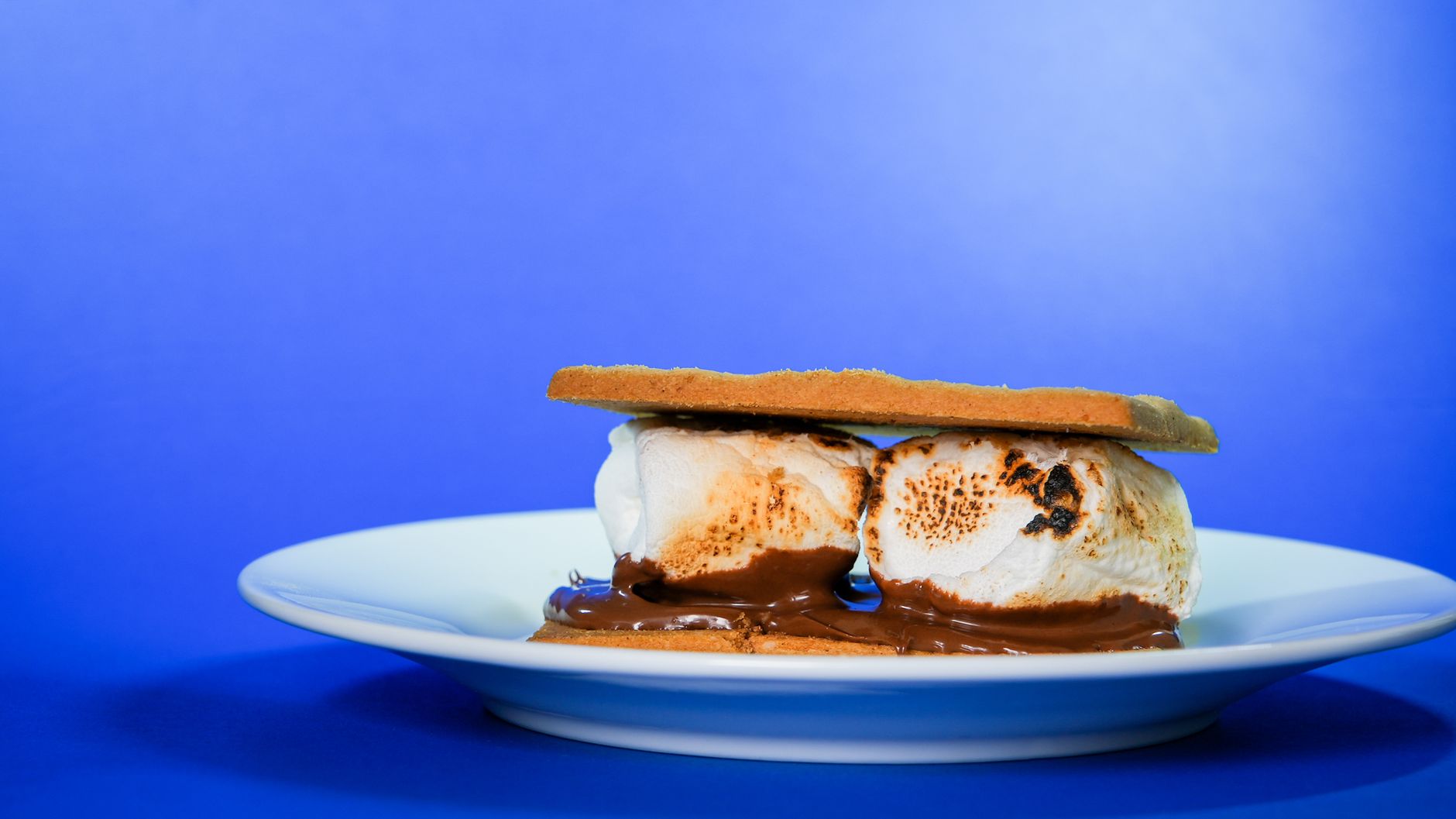
Graham crackers, a classic American treat, are often associated with nostalgia, s’mores, and desserts. But what exactly are they made of? Understanding the ingredients that go into these crunchy snacks can enhance your cooking and baking skills. This article dives deep into the components of graham crackers, from the main ingredients to variations and substitutions.
By the end, you will not only know what makes up a graham cracker but also how to utilize those ingredients effectively in your kitchen. Get ready to explore the world of graham crackers and how they can elevate your snacks and desserts!
What Are Graham Crackers Made Of?
Graham crackers are primarily made of whole wheat flour, sugar, and fat, along with a few other ingredients that contribute to their unique flavor and texture. Each of these components plays a vital role in creating the distinct taste and crunch that graham crackers are known for.
Main Ingredients of Graham Crackers
Whole Wheat Flour
The foundation of graham crackers is whole wheat flour, which gives them a distinct nuttiness and a hearty texture. Whole wheat flour is made from the entire grain, including the bran, germ, and endosperm, leading to higher fiber content and a richer flavor compared to refined flours.
Sugar
Sugar adds sweetness and balances the flavors in graham crackers. The most commonly used type is granulated sugar, but some recipes might include brown sugar, which adds a hint of caramel flavor thanks to its molasses content.
Fat
Fat, usually in the form of butter or oil, contributes to the rich flavor and tender texture of graham crackers. Butter is a traditional choice, imparting a creamy taste, while vegetable shortening or even coconut oil can be used for a dairy-free or vegan option.
Baking Powder
Baking powder is a leavening agent that helps give graham crackers their light, crisp texture. It creates bubbles in the dough during baking, leading to a desirable crunch. In some recipes, baking soda may also be used in combination with an acid, such as honey or molasses.
Honey or Molasses
Many graham cracker recipes include honey or molasses as a sweetener and flavor enhancer. Honey offers a floral sweetness, while molasses provides a deeper, richer taste. These ingredients can also encourage browning during baking, adding to the visual appeal.
Salt
A pinch of salt is essential in balancing the sweetness of the graham crackers. It enhances the flavors and contributes to the overall complexity of the taste profile.
Common Variations and Additions
While traditional graham crackers include a specific set of ingredients, many variations exist. Here are some common additions that can elevate your graham cracker game:
- Cinnamon: Ground cinnamon can be added for warmth and spice, making for a delicious flavor combination, especially in desserts.
- Cocoa Powder: For chocolate-flavored graham crackers, cocoa powder can be mixed in with the flour. This adds a rich chocolate flavor that can be perfect for various treats.
- Nut Flours: Almond flour or ground pecans can be incorporated for a nutty taste and added texture, helpful for those with dietary restrictions regarding wheat.
- Vanilla Extract: Adding vanilla extract can enhance the overall flavor profile, giving a comforting sweetness.
Practical Substitutions
If you find yourself lacking one of the main ingredients, don’t worry! Here are some thoughtful substitutions you can consider:
- Flour: Whole wheat flour can be substituted for all-purpose flour if necessary, but the texture and flavor will differ. For gluten-free options, consider using a gluten-free flour blend.
- Sugar: If granulated sugar isn’t available, you can use brown sugar or coconut sugar as alternatives, keeping in mind they will slightly alter the flavor profile.
- Fat: Coconut oil acts as a great dairy-free alternative to butter. If you’re looking to reduce calories, unsweetened applesauce can sometimes be used, although it may change the texture.
- Baking Powder: If needed, you can make a homemade alternative using 1 part baking soda mixed with 2 parts cream of tartar.
Common Mistakes and Troubleshooting
When making graham crackers at home, several challenges may arise. Here are some common mistakes and how to avoid or correct them:
- Overmixing the Dough: This can lead to tough crackers rather than crunchy ones. Mix until just combined and avoid excessive kneading.
- Underbaking: Keeping an eye on the baking time is crucial. Underbaked graham crackers will be chewy rather than crunchy. A golden-brown color is ideal for doneness.
- Ingredients at Incorrect Temperatures: Ingredients should be at room temperature for better incorporation into the dough, particularly the fat. Cold butter, for example, may not mix well.
Storage and Shelf Life
Proper storage ensures your graham crackers maintain their crisp texture and fresh flavor. Here are some tips for storing your homemade or store-bought graham crackers:
- Keep them in an airtight container at room temperature for up to one week. This will help maintain their crunch.
- For longer storage, graham crackers can be frozen. Wrap them tightly in plastic wrap or place them in a freezer-safe container, and they can last for up to three months.
- When ready to eat, allow them to thaw at room temperature. If they lost some crunch during freezing, bake them in the oven at a low temperature (around 250°F) for a few minutes to restore their texture.
Using Graham Crackers in Recipes
Graham crackers are versatile and can be used in a range of recipes beyond just snacking. Here are some popular applications:
Crusts
One of the most common uses for graham crackers is making crusts for pies and cheesecakes. Their sweet and slightly nutty flavor pairs well with various fillings. To make a simple graham cracker crust:
- Crush 1 ½ cups of graham crackers into fine crumbs.
- Add ½ cup of melted butter and ¼ cup of sugar to the crumbs.
- Mix until fully combined and press the mixture into the bottom of a pie dish.
- Bake at 350°F for about 10 minutes, then allow to cool before adding your filling.
Cookies and Bars
Graham crackers can be an excellent addition to cookie and bar recipes. They can be used as:
- Base layers in desserts like s’mores bars or layered no-bake cheesecakes.
- Crushed and mixed into cookie dough for added texture and flavor.
Snack Pairings
Beyond baking, graham crackers are perfect for pairing. Here are some delicious suggestions to enjoy them:
- Spread with nut butter and topped with banana slices for a satisfying snack.
- Pair with chocolate and marshmallows for a simple s’mores experience.
- Add a smear of cream cheese and some fruit preserves for a quick dessert.
Conclusion
Graham crackers are simple yet flavorful snacks that are essential in many treats. With their primary ingredients of whole wheat flour, sugar, fat, and additional flavorings, you can easily understand what goes into them. Armed with this knowledge, you can experiment with substitutions, avoid common mistakes, and take full advantage of the versatility that graham crackers offer. Whether enjoying them plain or using them in delicious recipes, graham crackers serve as a delightful addition to any pantry.
Explore more about ingredients like molasses and how to choose the right flour for your baking needs at what is molasses made from and the difference between bleached and unbleached flour.