
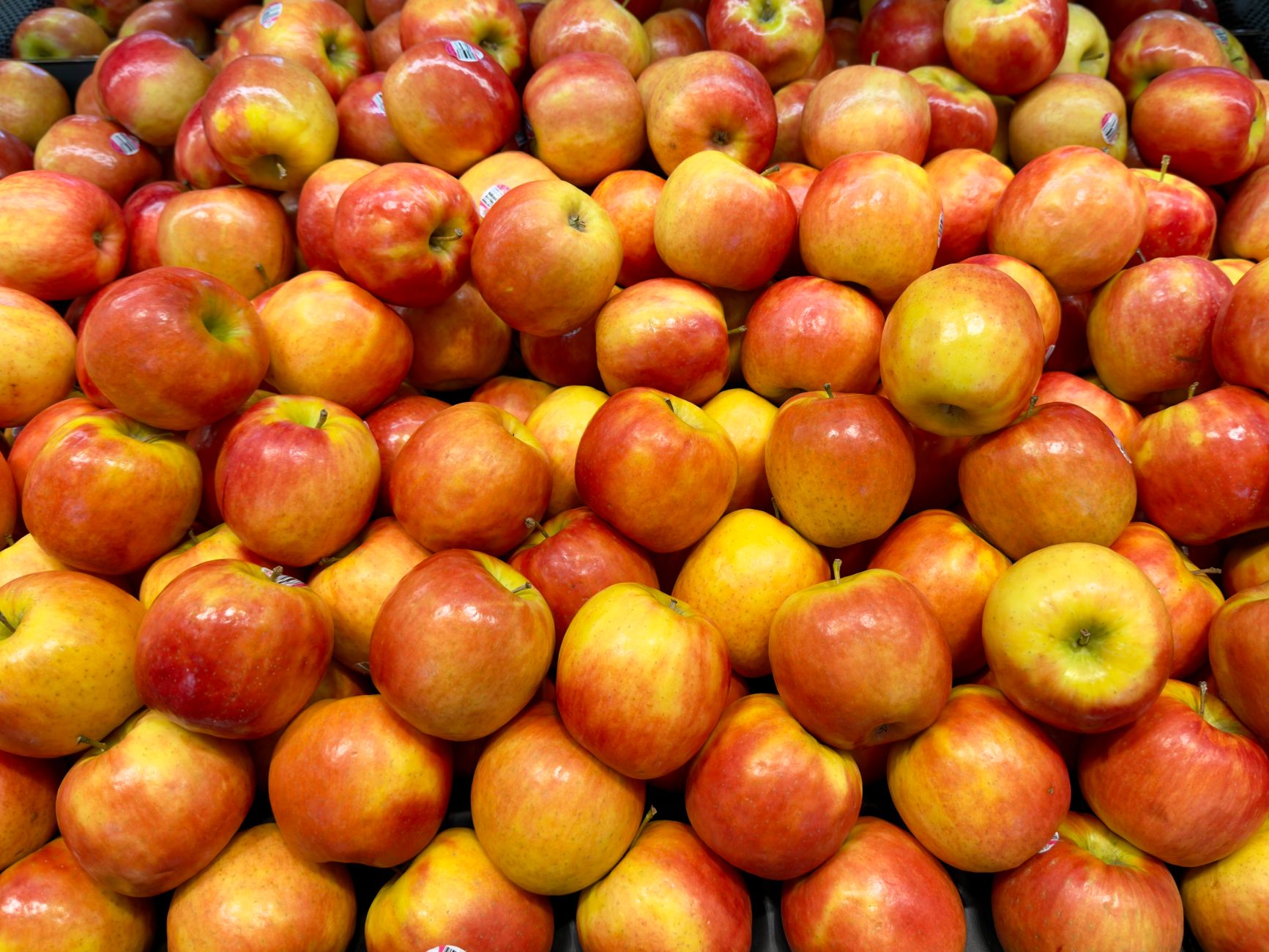
Apples are a staple fruit that many people enjoy, whether fresh, baked, or in a dish. Understanding how long apples stay fresh can help minimize waste and ensure you are consuming them at their best quality. This article details how long apples are good for, the factors that affect their longevity, and practical storage tips.
Knowing the lifespan of apples allows you to plan your meals better and make the most of this nutritious fruit. We’ll also cover nutrition, portioning, and various ways to enjoy apples, whether you’re snacking or cooking.
How Long Are Apples Good For?
Apples can remain fresh for one to four weeks depending on their type, storage conditions, and ripeness at the time of purchase. Generally, apples stored in the refrigerator can last longer than those left out at room temperature. Various factors affect the freshness and safety of apples, which we will explore in detail.
Factors Influencing Apple Freshness
Several factors determine how long apples will remain fresh and safe to eat:
- Variety: Different apple varieties have unique shelf lives. For example, Granny Smith apples can last longer than Honeycrisp apples.
- Ripeness: The ripeness of the apple at purchase affects its lifespan. Ripe apples will spoil faster than unripe apples.
- Storage conditions: Apples should be stored in cool, dark environments. Proper humidity levels also play a role in maintaining freshness.
- Damage: Bruises, cuts, or skin damage can lead to quicker spoilage, as damaged apples are more likely to rot.
How to Store Apples Properly
Storing apples properly can significantly extend their lifespan. Here are some effective storage methods:
Refrigerator Storage
For optimal freshness, keep apples in the refrigerator. They will last anywhere from three to four weeks. Here’s how to store them:
- Place apples in the crisper drawer, which maintains humidity.
- Keep apples in a plastic bag with holes to allow for ventilation.
- If you have multiple varieties, store them separately, as some emit ethylene gas, which can accelerate spoilage.
Room Temperature Storage
If you plan to consume your apples within a few days, room temperature storage is acceptable. Follow these guidelines:
- Store apples in a cool, dark place away from direct sunlight.
- Keep them in a bowl or basket, but do not overcrowd, as this can cause bruising.
- Check regularly for signs of spoilage, such as soft spots or unpleasant odors.
Freezing Apples
If you can’t consume your apples in time, freezing is an excellent option. Here’s how to do it:
- Wash and peel the apples, if desired.
- Cut them into slices or wedges, removing the core.
- Soak the slices in a solution of water and lemon juice to prevent browning.
- Pat dry, then spread them out in a single layer on a baking sheet and freeze until solid.
- Transfer the frozen slices into airtight containers or freezer bags for long-term storage, which can last up to six months.
Signs of Spoilage
It’s essential to recognize when an apple has gone bad. Here are some common signs to watch for:
- Softness: If an apple feels mushy or soft to the touch, it is likely past its prime.
- Discoloration: Brown spots or excessive browning can indicate spoilage.
- Odor: A sour or fermented smell is a strong sign that the apple is no longer good.
- Wrinkles: Apples that have shriveled are not fresh and should be discarded.
Nutritional Value of Apples
Beyond their delightful taste, apples offer a variety of health benefits. They are rich in vitamins, minerals, and antioxidants. Here are some key nutritional aspects:
- Vitamins: Apples are a great source of Vitamin C, which supports the immune system.
- Fiber: One medium apple contains about 4 grams of dietary fiber, promoting digestive health.
- Low Caloric Content: With roughly 95 calories for a medium-sized apple, they are a guilt-free snack option.
- Antioxidants: Apples contain flavonoids, which may help reduce the risk of chronic diseases.
Portion Sizes for Apples
When considering how much apple to serve, it’s useful to know the recommended portion sizes. A single medium apple (about 5 to 8 ounces) is generally considered one serving. This size provides a good balance of taste and nutrition. For recipes or snacks, you might consider:
- Apple Slices: One medium apple yields about 8 slices, making it easy to pair with nut butter or cheese.
- Chopped Apples: Use about 1 cup of chopped apples for salads or desserts.
Ways to Enjoy Apples
There are countless delicious ways to include apples in your meals, whether in sweet or savory dishes. Here are some popular methods:
Raw Snacks
Fresh apples can be enjoyed raw as a crunchy and refreshing snack. Pair them with nut butter for added protein and flavor or sprinkle them with some cinnamon for a simple treat.
Baking
Apples are a wonderful ingredient in baked goods. They add moisture and natural sweetness. Consider making:
- Apple Pie Filling for desserts.
- Apple Compote to serve with pancakes or yogurt.
Cooking
In savory dishes, apples can provide a beautiful contrast. Try them roasted with pork or sautéed in salads for a crunchy texture and a hint of sweetness.
Drinks
Apples can be utilized in various beverages such as:
- Fresh apple juice or cider.
- Apple-flavored smoothies with yogurt and other fruits.
Common Mistakes When Storing Apples
The way you handle apples can greatly affect their longevity. Avoid these common mistakes:
- Storing apples with strong-smelling fruits or vegetables, as they can absorb odors.
- Failing to check regularly for spoiled apples and not removing them promptly, which can lead to rot spreading.
- Ignoring the difference in storage for different apple varieties.
How to Use Leftover Apples
If you have leftover apples nearing their expiration date, consider these creative uses:
- Make applesauce or apple butter.
- Add them to salads or stir-fries.
- Incorporate them into smoothies or oatmeal for extra sweetness.
Make-Ahead Guidance
If you love meal planning, consider integrating apples into your meals. Here are some ideas:
- Prepare a fruit salad with mixed fruits, including apples, at the beginning of the week.
- Slice apples for lunchboxes and store them in jars with lemon juice to prevent browning.
- Make large batches of apple compote to use as a topping for breakfast or desserts throughout the week.
Conclusion
Understanding how long apples are good for and implementing proper storage techniques allows you to enjoy this versatile fruit while minimizing waste. By recognizing the signs of spoilage and knowing how to incorporate apples into your meals, you can fully benefit from their taste and nutrition.
Explore our related articles for more delicious recipes and cooking tips. Check out our guides on Apple Compote and Apple Pie Filling for inspiration in your kitchen!