
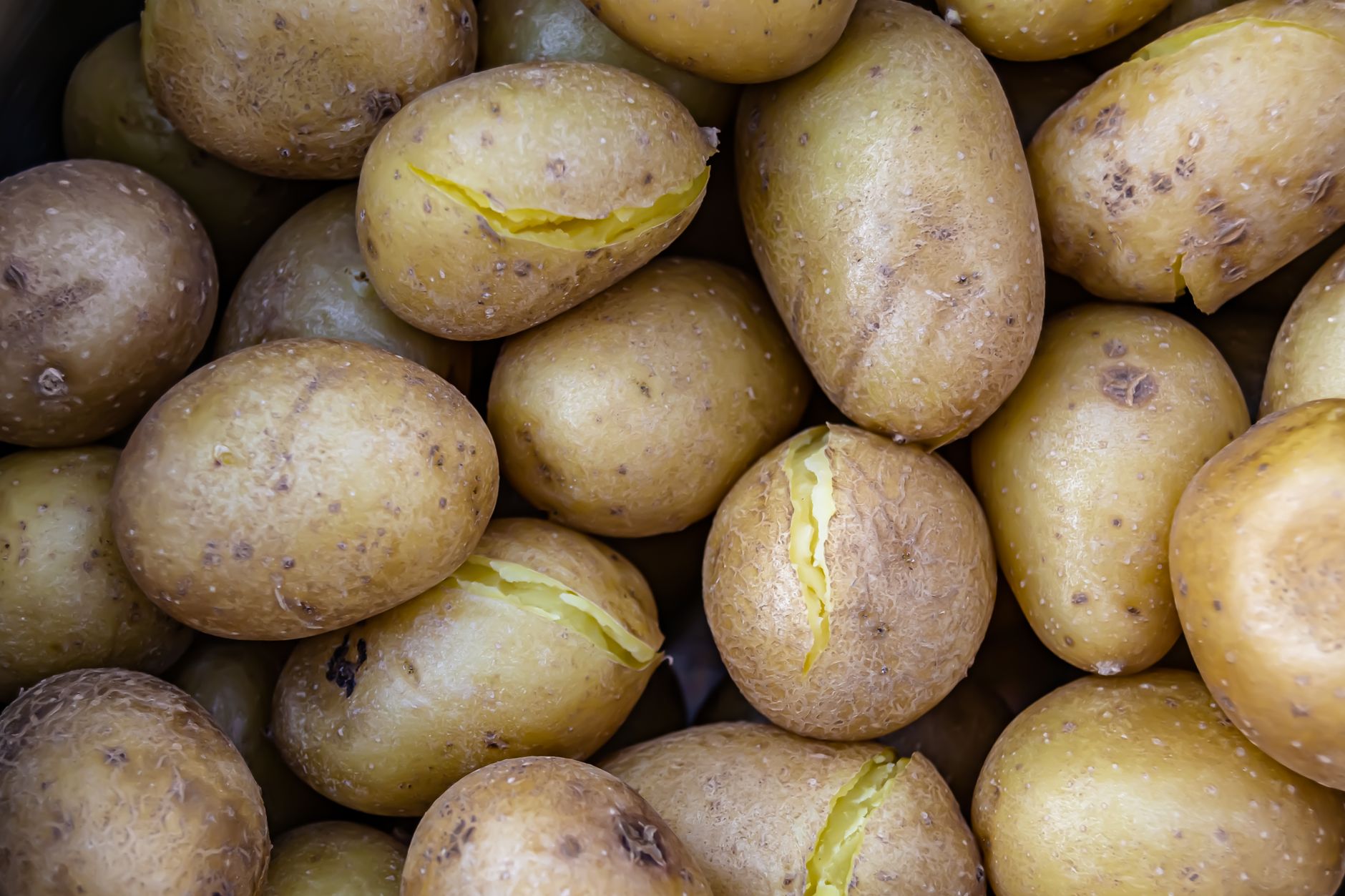
Boiled potatoes are a versatile and widely loved ingredient found in many dishes around the globe. Whether you’re preparing creamy potato salad, fluffy mashed potatoes, or utilizing them in a hearty stew, knowing how to properly store boiled potatoes can significantly reduce food waste and extend their usability.
This guide explores how long boiled potatoes can last in the fridge, how to store them properly, signs of spoilage, and practical tips for maximizing their shelf life.
How Long Can Boiled Potatoes Last in the Fridge?
Boiled potatoes can last in the fridge for about 3 to 5 days when stored properly. It is crucial to keep them in an airtight container at a constant refrigerator temperature to maintain their quality and prevent spoilage.
Proper Storage of Boiled Potatoes
Proper storage is key to prolonging the freshness of boiled potatoes. Here are some effective strategies for storing them:
- Cool Before Storing: Allow the boiled potatoes to cool down to room temperature before transferring them to the fridge. This helps avoid condensation inside the container, which can lead to mold.
- Use Airtight Containers: Store the potatoes in an airtight container or a resealable plastic bag. This will help maintain their texture and flavor while preventing them from absorbing odors from other foods.
- Label and Date: If you make a large batch, label the container with the date to keep track of their freshness.
- Refrigerator Temperature: Ensure your refrigerator is set to 40°F (4°C) or below. This is the optimal temperature for slowing down bacterial growth.
Signs of Spoilage
It’s essential to check for signs of spoilage before consuming boiled potatoes. Here are some indicators that they may have gone bad:
- Off Odor: If the potatoes have a sour or otherwise off smell, it’s best to discard them.
- Texture Changes: Slimy or mushy potatoes are not safe to eat. Fresh boiled potatoes should maintain a firm texture.
- Visible Mold: Any sign of mold growth on the potatoes indicates spoilage. Dispose of them immediately.
- Discoloration: Dark spots or significant discoloration can be a sign of spoilage, especially if they are accompanied by other symptoms.
Using Leftover Boiled Potatoes
Leftover boiled potatoes offer numerous culinary possibilities. Here are a few ideas to incorporate those cold potatoes into delicious meals:
Potato Salad
Boiled potatoes can shine in a refreshing potato salad. Dice them and mix them with mayo, mustard, chopped veggies, and seasonings. This provides a delicious side dish for summer picnics or family gatherings.
Hash Browns
Transform your boiled potatoes into crispy hash browns. Simply grate them and pan-fry until golden brown. This is a perfect breakfast dish.
Soup or Stew
Add diced boiled potatoes to soups or stews for added texture and bulk. They will help thicken the broth while enriching the flavor and making the dish heartier.
Reheating Boiled Potatoes
Reheating boiled potatoes can be done effectively while retaining their flavor and texture. Here are a few methods:
- Microwave: Place potatoes in a microwave-safe dish, sprinkle with water, and cover with a microwave-safe lid. Heat on medium for 1-2 minutes, checking for warmth. Stir and continue heating in 30-second intervals if necessary.
- Stovetop: Heat a small amount of oil or butter in a skillet over medium heat. Add the potatoes and sauté until heated through. This method adds a delightful crispness.
- Oven: Preheat the oven to 350°F (175°C). Place the boiled potatoes in an oven-safe dish, cover with foil, and heat for about 15-20 minutes, or until warmed through.
Freezing Boiled Potatoes
If you wish to extend the shelf life beyond a week, freezing is an option, although it can change the texture significantly. To freeze boiled potatoes correctly, follow these steps:
- Cool the boiled potatoes completely.
- Cut them into halves or quarters for easier storage.
- Place them on a baking sheet in a single layer and freeze them for 1-2 hours until solid.
- Transfer the frozen potatoes to an airtight freezer bag or container, removing as much air as possible.
- Label the container with the date and freeze. They can last up to 10-12 months in the freezer.
Tips for Cooking Perfect Boiled Potatoes
To ensure your boiled potatoes are soft and flavorful, consider these cooking tips:
- Even Sizing: Cut potatoes into even sizes to ensure they cook uniformly. This avoids having some pieces overcooked while others remain undercooked.
- Salt the Water: Adding salt to the boiling water enhances flavor. Use about a teaspoon for every quart of water.
- Test for Doneness: Insert a fork or knife into a potato. It should slide in easily when they are cooked through.
Common Mistakes to Avoid
When it comes to boiling potatoes, some common pitfalls can diminish the quality of your dish or affect the storage life:
- Overcooking: Boiled potatoes can become mushy if overcooked, leading to a less than ideal texture. Keep a close eye on the cooking time.
- Skipping the Cooling Step: Storing hot potatoes in the fridge can cause condensation, which heightens the risk of spoilage and affects texture.
Frequently Asked Questions
Can you eat boiled potatoes after 5 days?
If properly stored, boiled potatoes can still be safe to eat for up to 5 days. However, always check for signs of spoilage before consuming.
Are boiled potatoes safe to eat cold?
Yes, boiled potatoes can be safely consumed cold, making them an excellent addition to cold salads or as a convenient snack.
Can you re-boil previously boiled potatoes?
While it’s safe to reheat them, boiling them again can lead to a mushy texture. Sautéing or baking are better reheating options.
Conclusion
Boiled potatoes are a fantastic staple that can enhance many meals. Proper storage can preserve their quality and extend their usability, making them a practical addition to your kitchen. By following the tips provided, you can enjoy your boiled potatoes for several days and transform leftovers into delightful dishes.
For more culinary inspiration, explore our recipes for delicious potato salad or learn about food storage practices.