
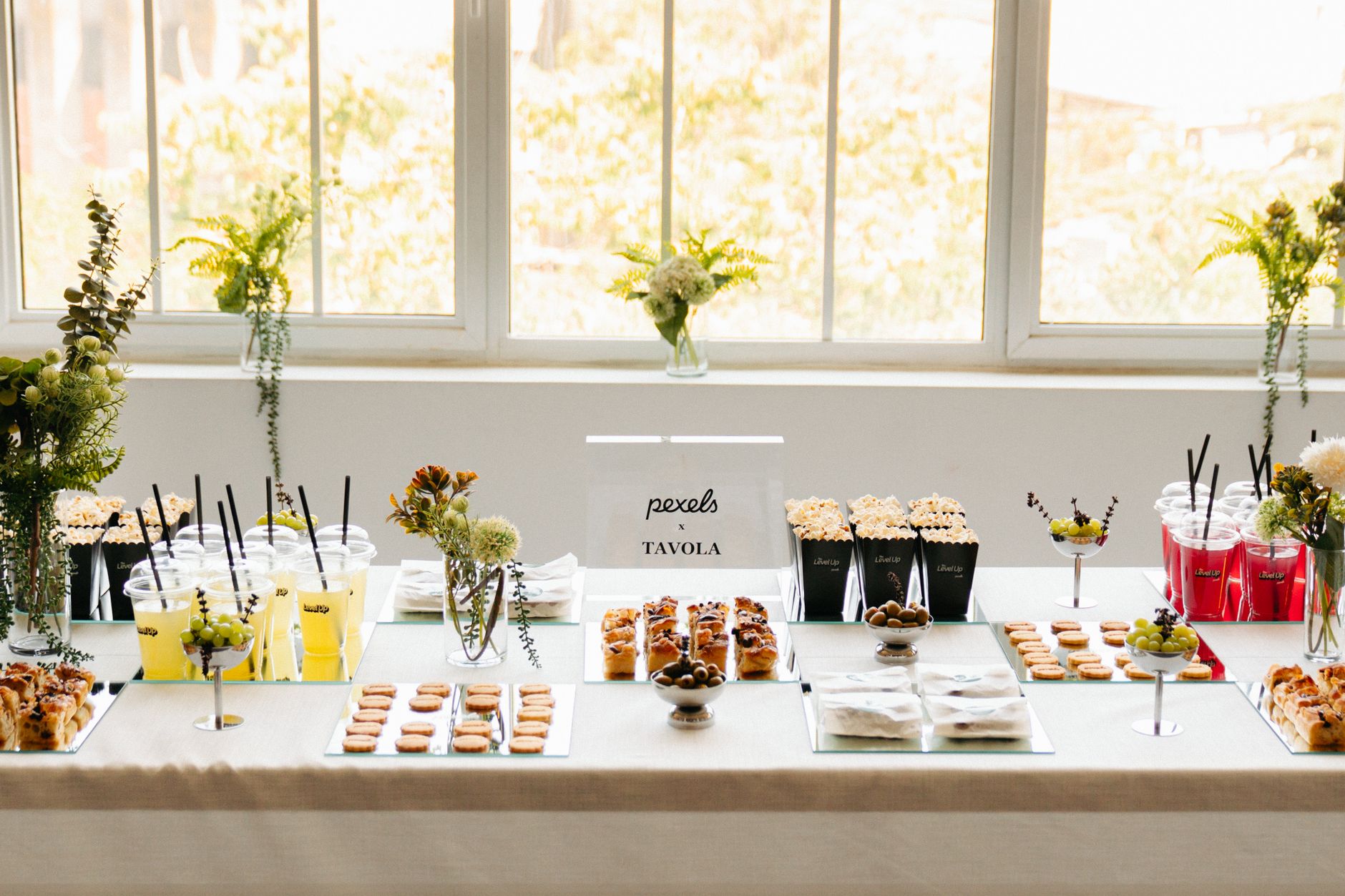
Light refreshments refer to light snacks or beverages often served during breaks or short social gatherings. They provide sustenance without being overly filling, making them ideal for mingling or networking events.
This article explores the meaning of light refreshments, along with their cultural significance, examples, and how you can incorporate them into your gatherings.
What Does Light Refreshments Mean?
Light refreshments typically include a variety of small dishes that may be savory or sweet, along with beverages that are light and easy to consume. These offerings are usually less substantial than a full meal, allowing guests to graze and socialize comfortably.
They serve not just as food but also as a way to encourage conversation and engagement during various events. Understanding the concept of light refreshments can help you plan effective and enjoyable gatherings.
Historical Context of Light Refreshments
The tradition of serving light refreshments dates back centuries, often linked to social events such as tea times, receptions, and informal gatherings. In many cultures, sharing small bites of food has long symbolized hospitality and friendliness.
In the 18th and 19th centuries, European aristocracy popularized the concept of afternoon tea, which frequently included light finger foods, pastries, and beverages. Over time, these customs evolved, paving the way for the diverse offerings we see in contemporary light refreshment menus.
Types of Light Refreshments
Light refreshments can vary widely depending on the cultural context, occasion, and dietary preferences of your guests. Here’s a closer look at popular categories:
Savory Snacks
- Cheese Platters: A selection of assorted cheeses, crackers, and nuts is pleasing to the eye and palate, encouraging mingling.
- Vegetable Platters: Fresh, crunchy vegetables paired with dips such as hummus or ranch are healthy and popular offerings.
- Mini Sandwiches: Finger sandwiches filled with meats, cheeses, or vegetables can be made to suit various tastes.
- Chips and Dips: Offer a variety of chips accompanied by salsas, guacamole, or bean dips for a casual touch.
Sweet Treats
- Fruit Platters: A colorful assortment of seasonal fruits provides a refreshing option.
- Baked Goods: Muffins, cookies, and pastries are classic choices for sweet refreshments.
- Brownies or Blondies: These bite-sized desserts can be pre-cut for easy serving.
Beverages
- Water: Still or sparkling water is crucial for hydration.
- Tea or Coffee: Offering a range of hot beverages can elevate the refreshment experience.
- Sparkling Juices: Non-alcoholic options like flavored sparkling waters or juices can provide festive flair.
Planning Light Refreshments for an Event
When planning light refreshments for an event, consider the time of day, occasion, and the preferences of your guests. Here’s a step-by-step guide:
Step 1: Choose the Event Type
The nature of your event will heavily influence your refreshment choices. For instance, a formal evening gathering may require a more sophisticated selection compared to an informal daytime event.
Step 2: Determine the Guest Count
Knowing how many guests to expect will help you gauge how much food and drink to prepare. As a general rule, plan for 2-3 small bites per person if the event lasts a few hours.
Step 3: Select Your Offerings
Based on your guest count and event type, decide on the mix of savory and sweet options. Ensure you provide a variety of flavors and textures. Aim for items that can be easily eaten while standing or mingling.
Step 4: Dietary Considerations
It’s vital to consider dietary restrictions. Offer vegetarian, gluten-free, and allergen-conscious choices to ensure all guests have options.
Step 5: Presentation Matters
Beautifully plated food elevates the presentation. Consider using tiered platters or decorative trays for an appealing display. Garnishing with herbs can lend extra flair.
Step 6: Make Ahead
Light refreshments often lend themselves to preparation ahead of time. Cold items can be prepared a day in advance, while baked goods should be made shortly before serving for freshness.
Practical Light Refreshment Ideas
Now let’s delve into practical ideas for light refreshments that can be easily prepared:
Savory Options
Cheese and Charcuterie Board
A well-assembled cheese and charcuterie board allows for variety. Include:
- Different cheeses (hard, soft, aged)
- Variety of cured meats (salami, prosciutto)
- Nuts and dried fruits for texture
- Crackers and artisanal bread for continuity
Stuffed Mini Peppers
Stuff mini sweet peppers with a mixture of cream cheese, herbs, and spices for a colorful, delicious bite.
- Preheat your oven to 375°F (190°C).
- Halve and seed 1 pound of mini sweet peppers.
- In a bowl, combine 8 oz. cream cheese, 1/4 cup chopped green onions, and your favorite herbs.
- Stuff pepper halves with the mixture, then bake for 15-20 minutes or until heated through.
Sweet Options
Mini Cupcakes
Mini cupcakes are always a crowd-pleaser. Choose a variety of flavors, such as chocolate, vanilla bean, or red velvet. Top with colorful frosting for visual appeal.
Chocolate Dipped Fruit
Melting chocolate and dipping fruits enhance their sweetness. Use strawberries, banana slices, or apple wedges, and let them cool on parchment paper for an elegant snack.
Common Mistakes to Avoid
While planning light refreshments, a few common pitfalls can mar your event:
Overloading on Quantity
Ensure not to make too much. It is usually better to have a small variety than an abundance of the same items.
Forgetting Dietary Restrictions
Always ask guests about dietary preferences beforehand or label items on display to clarify ingredients.
Poor Presentation
A visually unappealing display can lessen enthusiasm. Spend some time arranging platters and providing proper utensils for serving.
Storing and Reheating Light Refreshments
Understanding how to properly store and reheat can ensure the quality of your light refreshments:
Storing Leftovers
Most light refreshments should be stored in airtight containers in the refrigerator to maintain freshness. Items like cheese boards can often be covered and stored for a short time, while fruit should be eaten quickly to avoid browning.
Reheating Guidelines
Avoid using the microwave for reheating as it can make items soggy. A conventional oven can be a better option for crispy items, reheating at a moderate temperature until warmed through.
Conclusion
Understanding what light refreshments entail allows for engaging and enjoyable events. Whether it’s a casual get-together or a formal meeting, the right selection enhances the experience. Focus on variety, presentation, and dietary preferences while planning your next gathering.
To learn more about complementary snacks, check out our guides on ingredient substitutions like rosemary or discover new dip recipes, such as the cottage cheese dip recipe. Each of these resources can help elevate your next light refreshment experience.