
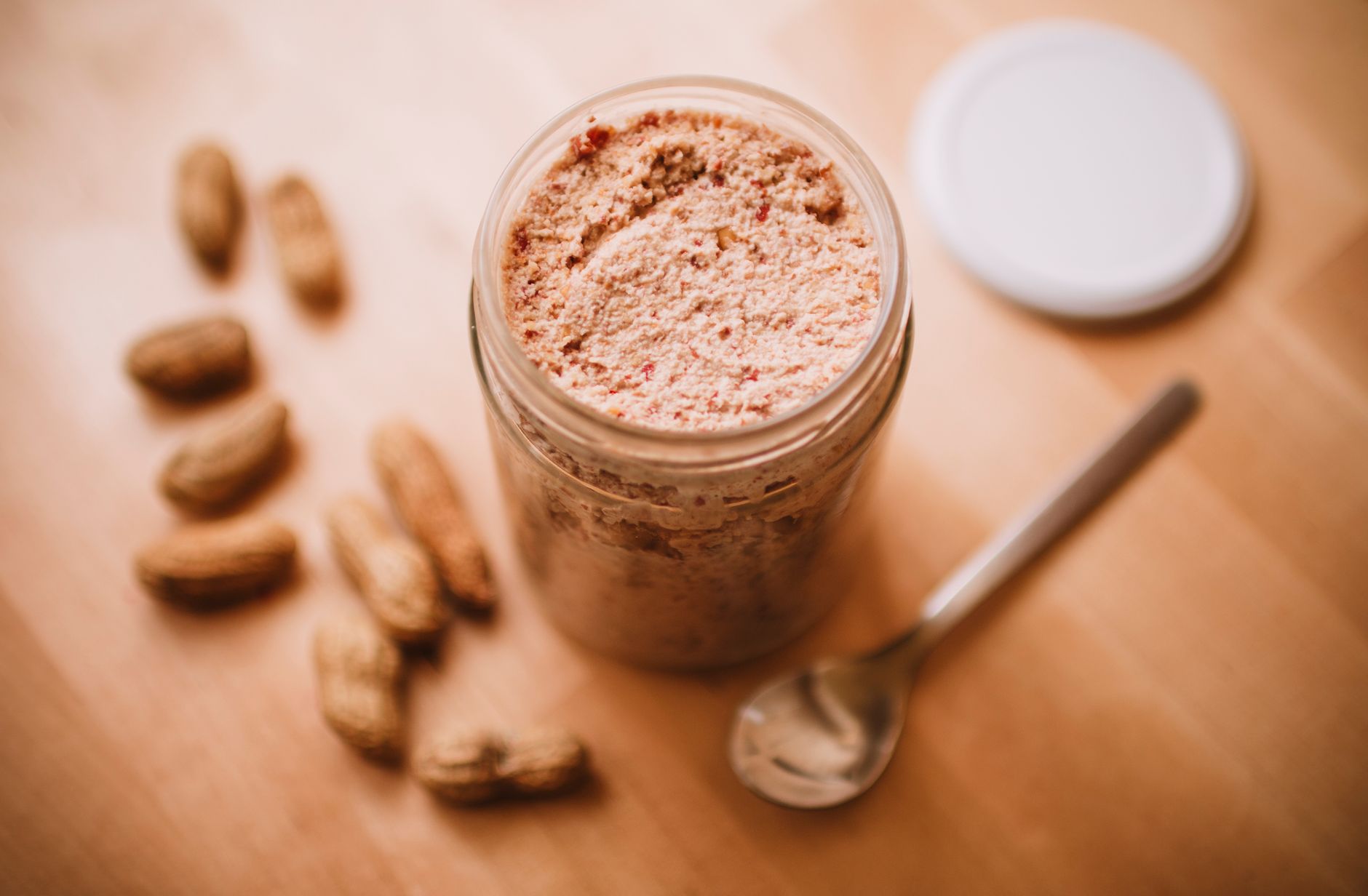
Peanut butter is a beloved staple in many households, often adored for its creamy texture and rich flavor. However, a frequent concern among health-conscious individuals is whether peanut butter contributes to inflammation in the body. This article aims to explore the relationship between peanut butter and inflammation, providing insights into its nutritional profile, potential health effects, and practical dietary considerations.
Understanding whether peanut butter is inflammatory involves examining its components, how it interacts with the body, and its influence on different dietary patterns. Whether you’re a peanut butter enthusiast or merely curious, this guide aims to help you make informed choices.
Is Peanut Butter Inflammatory?
Peanut butter is generally not considered inflammatory. In fact, it contains various nutrients that may help combat inflammation. However, how it affects individuals can vary based on several factors, including the type of peanut butter consumed, the overall dietary context, and individual health conditions.
Nutritional Profile of Peanut Butter
Peanut butter is a source of several key nutrients that can play a role in promoting health:
- Protein: Peanut butter is rich in protein, essential for building and repairing tissues.
- Healthy Fats: It primarily contains monounsaturated fats, which are heart-healthy and have been linked to reduced inflammation.
- Vitamins and Minerals: Peanut butter offers vitamin E, magnesium, potassium, and phosphorus.
- Antioxidants: Peanuts are a source of antioxidants, which can help combat oxidative stress in the body.
Potential Anti-Inflammatory Properties
Research suggests that consuming peanut butter and peanuts can have anti-inflammatory effects. Here are some of the potential benefits:
- Monounsaturated Fats: These fats can help lower inflammatory markers in the body.
- Fiber: The fiber in peanuts promotes gut health, which is closely linked to immune function and inflammation levels.
- Polyphenols: These compounds can provide antioxidant benefits, potentially reducing inflammation.
Types of Peanut Butter
How peanut butter is processed can influence its health effects. Here are common types:
- Natural Peanut Butter: Made from just peanuts (and sometimes a bit of salt), this version retains more nutrients and healthy fats.
- Processed Peanut Butter: Often contains added sugars, oils, and stabilizers. These ingredients can dilute the health benefits and might be more inflammatory.
- Organic Peanut Butter: Made from organic peanuts and without synthetic additives, which can be a healthier option.
Individual Health Considerations
While peanut butter is not inherently inflammatory, individual responses may vary:
- Allergies: Individuals with peanut allergies can experience severe inflammatory reactions.
- Aflatoxin Concerns: Peanuts can be susceptible to aflatoxin contamination, a mold that may pose health risks. Ensuring you buy high-quality, preferably organic peanut butter can minimize this risk.
- Dietary Balance: Peanut butter should be consumed in moderation, as part of a balanced diet. Overconsumption of any food can lead to adverse health effects.
Pairing Peanut Butter with Other Foods
The nutritional impact of peanut butter can change based on what it’s paired with:
- Whole Grains: Pairing peanut butter with whole grain bread can create a balanced meal that provides fiber and sustained energy.
- Fruits: Spread peanut butter on apples or bananas for a nutritious snack that combines healthy fats, fiber, and carbohydrates.
- Vegetables: Consider dipping vegetables like carrots or celery into natural peanut butter for added nutrients without excess inflammation.
Practical Peanut Butter Usage Tips
Here are some ways to incorporate peanut butter into your diet while maintaining its health benefits:
- Breakfast: Add a spoonful of peanut butter to smoothies, oatmeal, or yogurt for a creamy texture and added nutrients.
- Snacks: Enjoy peanut butter with whole-grain crackers or rice cakes for a satisfying snack.
- Baking: Substitute peanut butter in baking recipes, like cookies or protein bars, for natural flavor and nutrition.
- Cooking: Use peanut butter in stir-fries or sauces to add richness and enhance flavors.
Common Misconceptions About Peanut Butter
There are several myths surrounding peanut butter and its potential impact on health:
- All Peanut Butter is Unhealthy: Natural, minimally processed peanut butter can be part of a healthy diet, unlike its sugary counterparts.
- Peanut Butter Causes Weight Gain: While calorie-dense, moderation is key. It can be part of a balanced diet without leading to weight gain.
- Peanut Butter is Always Healthy: Not all peanut butters are created equal; ingredient labels should be checked for added sugars and unhealthy fats.
Storage and Shelf Life
To maintain the freshness and quality of peanut butter, follow these storage guidelines:
- Unopened Peanut Butter: Can be stored in a cool, dry place, often lasting for several months to a year.
- Opened Peanut Butter: Should ideally be kept in the refrigerator for longer shelf life, though many varieties can remain in the pantry.
- Separation: Natural peanut butter may separate due to the lack of stabilizers; stirring before use is often necessary.
Potential Culinary Substitutions
If you need to substitute peanut butter or want to explore more options, consider these alternatives:
- Almond Butter: Offers a similar flavor and texture but with slightly different nutritional benefits.
- Sunflower Seed Butter: A great nut-free option, perfect for those with allergies.
- Cashew Butter: Creamy and slightly sweeter, this can be a nice change if you’re looking for variety.
Conclusion: Making Informed Peanut Butter Choices
In moderation and as part of a balanced diet, peanut butter is generally not inflammatory and can even support health through its nutritional content. Consider reviewing your choice of peanut butter for added sugars or unhealthy fats, and always pair it with wholesome foods for the best results.
To explore new ways of enjoying peanut butter, check out our Peanut Butter Fudge recipe and try the Peanut Butter Granola recipe for delightful treats that make use of this versatile ingredient.