
Cream cheese is a versatile dairy product that often sparks the question, “Is cream cheese sweet?” This article delves into the flavor profile of cream cheese, its texture, common uses, and creative serving ideas for both sweet and savory dishes.
Often found in cheesecakes, dips, and spreads, cream cheese can be both sweet and savory. Understanding its flavor can help elevate your culinary creations and ensure you choose the right pairings for your dishes. Let’s explore the sweetness of cream cheese, its characteristics, and how to enjoy it in various recipes.
Is Cream Cheese Sweet?
Cream cheese itself is not inherently sweet. It has a mild, slightly tangy flavor, making it versatile for a variety of culinary applications. The sweetness often associated with cream cheese comes from the specific recipes in which it’s used, like desserts or sweet dips. When paired with sugar or other sweet ingredients, cream cheese can create deliciously sweet treats.
The Flavor Profile of Cream Cheese
Cream cheese is known for its creamy, smooth texture and slightly tangy taste. The tanginess is primarily due to the lactic acid produced by the bacteria used during its fermentation process. This balances well with its rich and fatty mouthfeel. Depending on how it’s used, cream cheese can take on different flavors, enhancing the overall dish.
Texture
The texture of cream cheese is soft and spreadable, which allows it to blend seamlessly into both sweet and savory recipes. It can be whipped or combined with other ingredients to create various consistencies, from smooth dips to rich cheesecakes. Its ability to become fluffy or hold its shape in baking makes it a favorite in many kitchens.
Common Uses
- Desserts: Cream cheese is a primary ingredient in cheesecakes and frostings, providing a creamy base that pairs beautifully with sugar and other flavors.
- Spreads: It is commonly used to create spreads for bagels, toast, or crackers. When combined with sweet ingredients like honey or fruit preserves, cream cheese becomes a sweet treat.
- Dips: Cream cheese can be used in savory dips like onion dip or buffalo chicken dip, where its flavor complements a variety of spices and flavors.
- Cooking: In some recipes, it acts as a thickener or as a base for sauces, giving richness and texture to savory dishes.
Cream Cheese in Sweet Recipes
When you think about sweet recipes, cream cheese often takes center stage in desserts. Its creamy richness makes it an ideal choice for creating smooth frostings or as the base for indulgent cheesecakes.
Cheesecakes
Cheesecake is perhaps the most famous dessert that utilizes cream cheese. This rich dessert can be sweetened with sugar, flavored with vanilla, and even combined with fruits or chocolate for added flavor. The cream cheese provides a creamy, dense texture that is beloved by many.
- Classic New York Cheesecake: Made with pure cream cheese, a graham cracker crust, and a sweetened sour cream topping, this dessert embodies the versatility of cream cheese.
- Fruit Topped Cheesecakes: Adding fruit purees or slices can enhance the sweetness and provide a lovely contrast to the creaminess of the cheese.
Frostings and Cream Cheese Glazes
Cream cheese is often used in frostings for cakes and cupcakes. It is typically combined with powdered sugar and vanilla. This type of frosting offers a delightful balance between sweet and tangy.
Creating Savory Dishes with Cream Cheese
Cream cheese’s versatility also extends to savory dishes. While its role in desserts is well known, it can shine through in appetizers and main courses as well.
Stuffed Vegetables
Cream cheese can be used to stuff vegetables like jalapeños, mushrooms, or bell peppers, often mixed with herbs, spices, or cooked proteins. This can create a delightful contrast between the creamy filling and the crunchy vegetable.
Cream Cheese Dips
- Buffalo Chicken Dip: A crowd favorite made with shredded chicken, hot sauce, and cream cheese, creating a spicy and creamy treat.
- Spinach Artichoke Dip: Combining cream cheese with spinach, artichokes, and cheese creates a dip perfect for entertaining.
Serving Ideas and Pairings
The way you choose to serve cream cheese can also influence whether it tastes more sweet or savory. Here are some creative ways to enjoy cream cheese in both directions.
Sweet Pairings
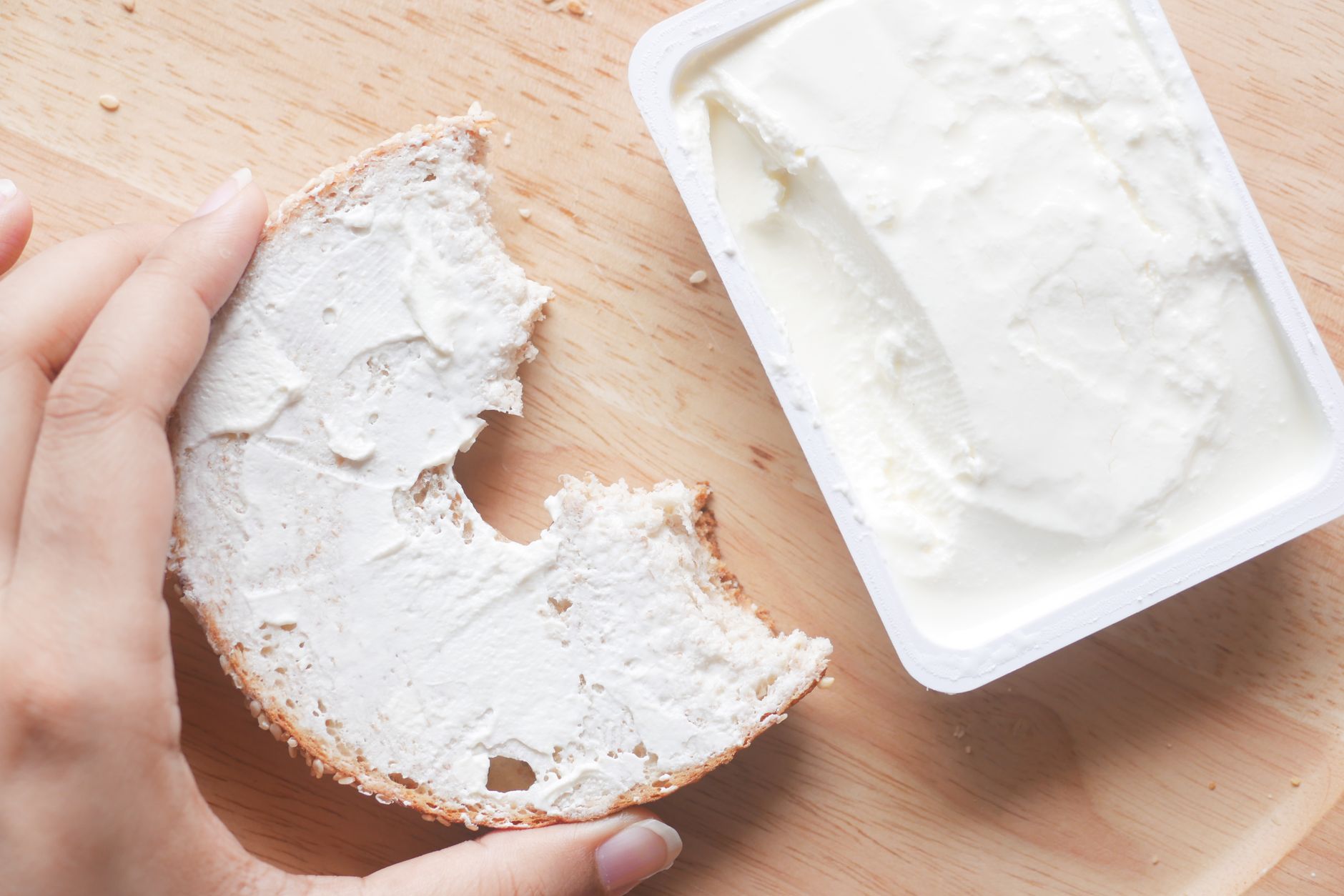
- Bagels: Cream cheese spread on a bagel is a breakfast classic. Consider adding honey, fruit slices, or jam for extra sweetness.
- Fruit: Pair cream cheese with fresh fruit, such as strawberries or peaches, for a delightful snack or dessert.
- Breads: Cream cheese can be spread on sweet bread or muffins, topped with cinnamon sugar for an indulgent treat.
Savory Pairings
- Crackers: Serve cream cheese on crackers, topped with herbs, spices, or smoked salmon for an elegant appetizer.
- Vegetable Dips: Pair cream cheese with raw vegetables for a healthier snack, perhaps adding herbs to the mix for additional flavor.
- Pasta Sauces: Use cream cheese in a pasta sauce, providing a creamy texture that pairs well with garlic and herbs.
Types of Cream Cheese
Understanding the different types of cream cheese available can also enhance your experience when using it in both sweet and savory recipes. While the original flavor is most common, variations are available for diversified culinary applications.
Flavored Cream Cheese
Many brands offer flavored cream cheese, ranging from herb blends to sweet flavors like strawberry or cinnamon. These can add an extra layer of flavor to your dishes without the need for additional ingredients, making it easier to prepare quick snacks or meals.
Low-Fat and Non-Dairy Options
For those seeking healthier alternatives, low-fat cream cheese options may be available. Additionally, there are also non-dairy cream cheese alternatives made from nuts or soy, which can still provide that creamy texture while adapting to dietary needs.
Common Mistakes When Using Cream Cheese
While cream cheese is relatively easy to use, there are a few common mistakes to avoid that can impact your culinary endeavors.
- Not Softening Properly: Using cold cream cheese can lead to lumps in your recipes. Allow it to soften at room temperature or briefly microwave it.
- Overmixing: Avoid overmixing cream cheese, especially in recipes like frosting, as this can cause it to become too airy or grainy.
- Ignoring Flavor Elements: Remember to season cream cheese appropriately, whether it’s savory or sweet. Salt can enhance sweetness, and sugar can balance savory flavors.
Storage Tips for Cream Cheese
Proper storage of cream cheese is essential to maintain its flavor and texture. Here are some storage tips to prolong its shelf life:
- Refrigeration: Always store opened cream cheese in the refrigerator. Keep it in its original packaging or in an airtight container to prevent moisture loss or contamination.
- Freezing: While cream cheese can be frozen, it’s important to note that the texture may change upon thawing. To freeze, transfer it to an airtight container, and use it within three months.
- Check Expiration Dates: Always check the expiration date on store-bought cream cheese. If it develops an off odor or mold, it should be discarded.
Conclusion
Cream cheese is a versatile ingredient with a flavor profile that is not inherently sweet but can be transformed into various sweet or savory applications. Whether you’re creating a decadent cheesecake or a savory dip, understanding how to use cream cheese effectively can elevate your cooking and baking. With the right tips and recipes, you can explore all the delicious possibilities this creamy cheese has to offer.
For more delightful recipes and creative ways to enjoy cream cheese, consider exploring our cream cheese mints recipe or try our cream cheese rangoon recipe for an innovative twist on a classic appetizer.