
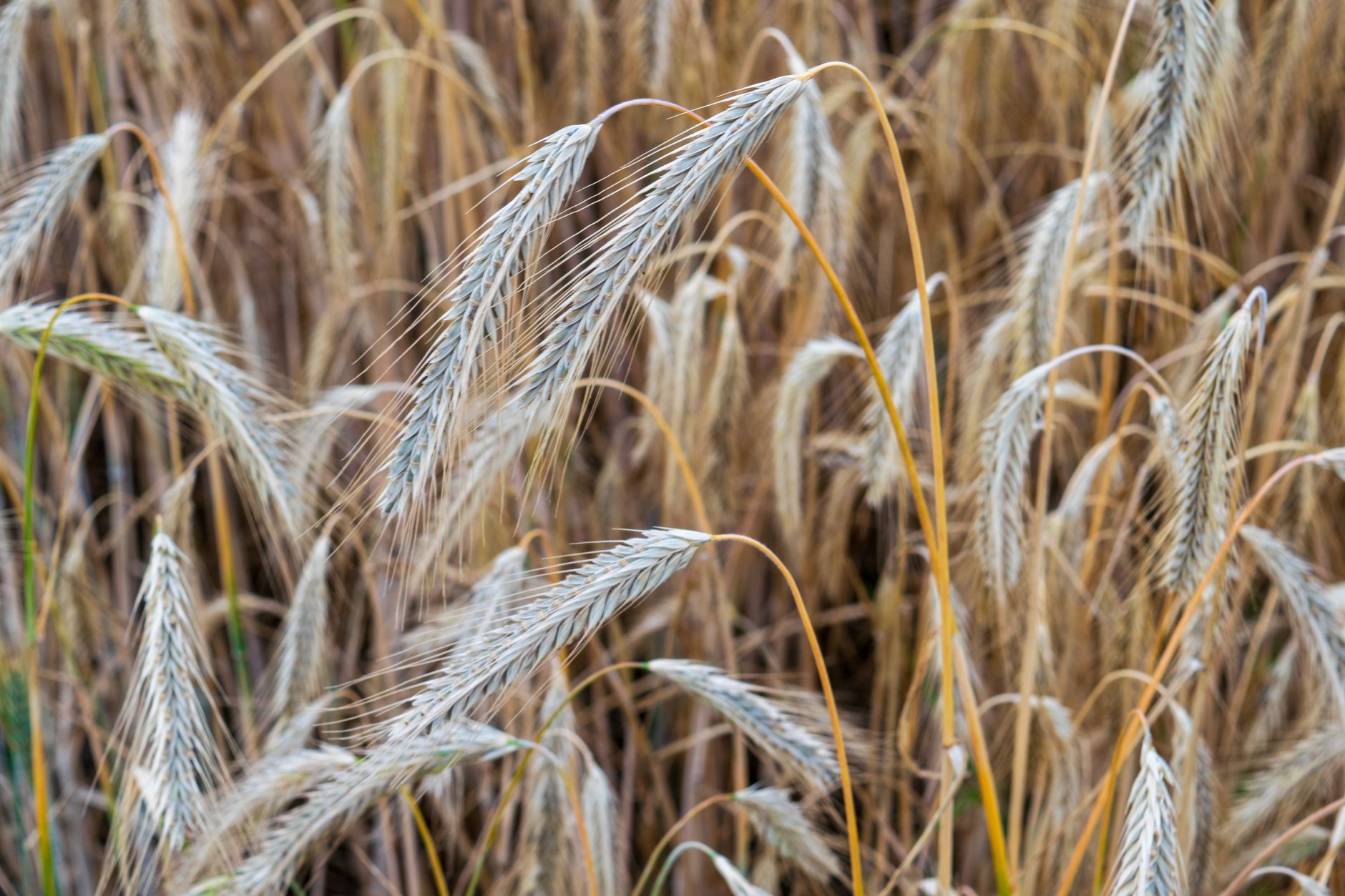
As more people become aware of dietary restrictions like gluten sensitivity or celiac disease, the question often arises: does rye contain gluten? This article will take an in-depth look at rye, its gluten content, and its implications for various diets. Understanding how rye fits into your eating habits can help you make informed choices about your food.
Rye is a cereal grain, closely related to wheat and barley. While many people may enjoy rye in the form of bread, crackers, or even whiskey, those who need to avoid gluten must be particularly cautious. Let’s explore this topic further and equip you with essential knowledge to read labels effectively and understand ingredients better.
Does Rye Contain Gluten?
Yes, rye contains gluten, a composite of proteins that exist in wheat, barley, and rye. The type of gluten found in rye is called secalin. Because of its gluten content, rye is unsuitable for those with celiac disease or gluten intolerance. While it can be incorporated into a balanced diet for many people, those with gluten-related disorders must avoid it.
Understanding Rye and Its Varieties
To better understand why rye contains gluten, it’s essential to look at the grain itself.
What is Rye?
Rye is a hardy grain that thrives in poorer soil and colder climates. Its robust nature makes it an important crop in regions like Eastern Europe and Scandinavia, where it has been cultivated for centuries. Rye can be consumed in several forms:
- Whole Rye Grain: Unprocessed and full of nutrients, but takes longer to cook.
- Rye Flour: Ground rye grain, used in various baked goods.
- Rye Bread: A traditional bread made predominantly from rye flour, common in many cultures.
- Rye Whiskey: A distilled spirit made from rye grain, known for its spicy flavor.
Types of Rye
There are primarily two types of rye::
- Winter Rye: Sown in the fall, grows quickly in spring, and is commonly used for flour and animal feed.
- Spring Rye: Sown in spring and harvested in the summer. It is less prevalent than winter rye.
Gluten in Wheat, Barley, and Rye
Understanding how gluten works across different grains will provide context on why rye’s gluten can be troublesome for some individuals.
What is Gluten?
Gluten serves as a glue that helps dough maintain its shape, providing elasticity and chewiness. This protein is a result of specific proteins – gliadin and glutenin – interacting when water is introduced to flour. While many grains contain gluten, wheat has a higher concentration, making it uniquely appealing for baking.
The Role of Gluten in Baking
Gluten plays a crucial role in creating the structure and texture of baked goods. Here’s how gluten affects the baking process:
- Texture: Gluten lends elasticity and chewiness to bread, allowing it to rise well during baking.
- Structure: The network formed by gluten provides stability, helping the baked good maintain its shape.
- Moisture Retention: Gluten can hold onto moisture, contributing to the freshness of baked products.
Because rye gluten provides less elasticity compared to wheat gluten, products like rye bread tend to have denser textures.
Label-Reading Tips for Rye Products
For individuals who need to monitor gluten intake closely, reading food labels is essential. Here’s how to spot rye and its derivatives:
Identifying Rye on Labels
When reviewing ingredient lists, look for terms like:
- Rye Grain
- Rye Flour
- Rye Bread
- Secalin (the gluten protein found in rye)
Even products labeled as “rye” can contain gluten, so be cautious. Here are additional tips to ensure you select appropriate items:
- Check for allergens: Manufacturers often highlight gluten as a common allergen.
- Look for certified gluten-free labels: These products are tested to ensure they meet strict gluten-free standards.
- Familiarize yourself with substitutes: Some products aimed at gluten-sensitive consumers may utilize rye-free alternatives.
Historical and Cultural Context of Rye
Rye has a rich history, especially in Eastern Europe, where it’s been a staple for centuries. It’s a crucial part of traditional dishes and breads in countries like Germany and Russia. Understanding this history might enrich your appreciation for rye products while acknowledging their dietary limitations.
Rye in Traditional Cuisine
Rye plays a vital role in various regional recipes:
- Rye Bread: Often darker and denser, this bread is commonly found in Scandinavian and Eastern European cuisine.
- Rye Crispbread: A popular addition to meals and healthy snacks.
- Rye Beer: A distinct beer style, typically spicier than standard barley beer.
Rye Alternatives for Gluten-Free Diets
If you’re avoiding gluten, numerous gluten-free grains can serve as substitutes in recipes that call for rye:
- Quinoa: A complete protein that enhances the nutritional value of dishes.
- Brown Rice: Versatile and popular in a variety of recipes.
- Oats: Ensure they are certified gluten-free, as standard oats can be cross-contaminated.
- Amaranth: A lesser-known grain that adds a unique flavor profile.
Cooking with Rye: Nutritional Benefits & Drawbacks
While rye does contain gluten, it also offers nutritional benefits that make it appealing to a broader audience.
Nutritional Benefits of Rye
Rye is rich in several nutrients, including:
- Fiber: Rye is an excellent source of dietary fiber, aiding in digestion and promoting a feeling of fullness.
- Vitamins: Enriched with B-vitamins, rye can contribute to energy levels and overall health.
- Minerals: Contains essential vitamins and minerals such as magnesium, iron, and phosphorus.
Potential Drawbacks
However, rye can also present some drawbacks:
- Gluten Content: Unsuitable for those with celiac disease or gluten intolerance.
- Caloric Content: Rye has a significant caloric density, so portion control is necessary amidst a balanced diet.
Practical Cooking and Baking Tips with Rye
If you are considering including rye in your diet and do not have gluten sensitivities, here is how to cook and bake with it effectively:
Baking with Rye Flour
When baking with rye flour, the following tips can help:
- Mixing with Other Flours: Combine rye with wheat flour for improved texture and rising capabilities.
- Hydration: Because rye flour absorbs more water than other flours, you may need to adjust accordingly.
- Time: Allow dough to rest longer, as rye does take longer to develop elasticity.
Cooking with Whole Rye Grain
If you want to use whole rye grain in savory dishes, consider these suggestions:
- Cooking Time: Whole rye grain requires a longer cooking period—typically about 45 minutes on the stovetop.
- Salads and Bowls: Cooked rye makes a hearty base for salads and grain bowls.
- Soups: Rye can add thickness and flavor to various soups when used as an ingredient.
Common Mistakes When Using Rye
Here are some pitfalls to avoid when cooking or baking with rye:
- Neglecting to measure water: Because rye absorbs water differently, always measure accurately.
- Skipping rest time: Allowing dough to rest is vital for gluten development, especially in rye-based recipes.
- Ignoring texture cues: Rye breads and baked goods have a distinct texture that should not be mistaken for undercooked products.
Conclusion
Rye undoubtedly contains gluten and should be approached with care for anyone with gluten sensitivities or celiac disease. While it offers a range of nutrients and culinary possibilities, knowing its limitations is key to making informed choices in your diet. If you are considering alternatives, numerous gluten-free grains can provide diverse flavors and textures without the associated risks of rye.
For more cooking tips and ingredient guides, explore our resources on rice and gluten-free waffles to diversify your meal options and make health-conscious choices.