
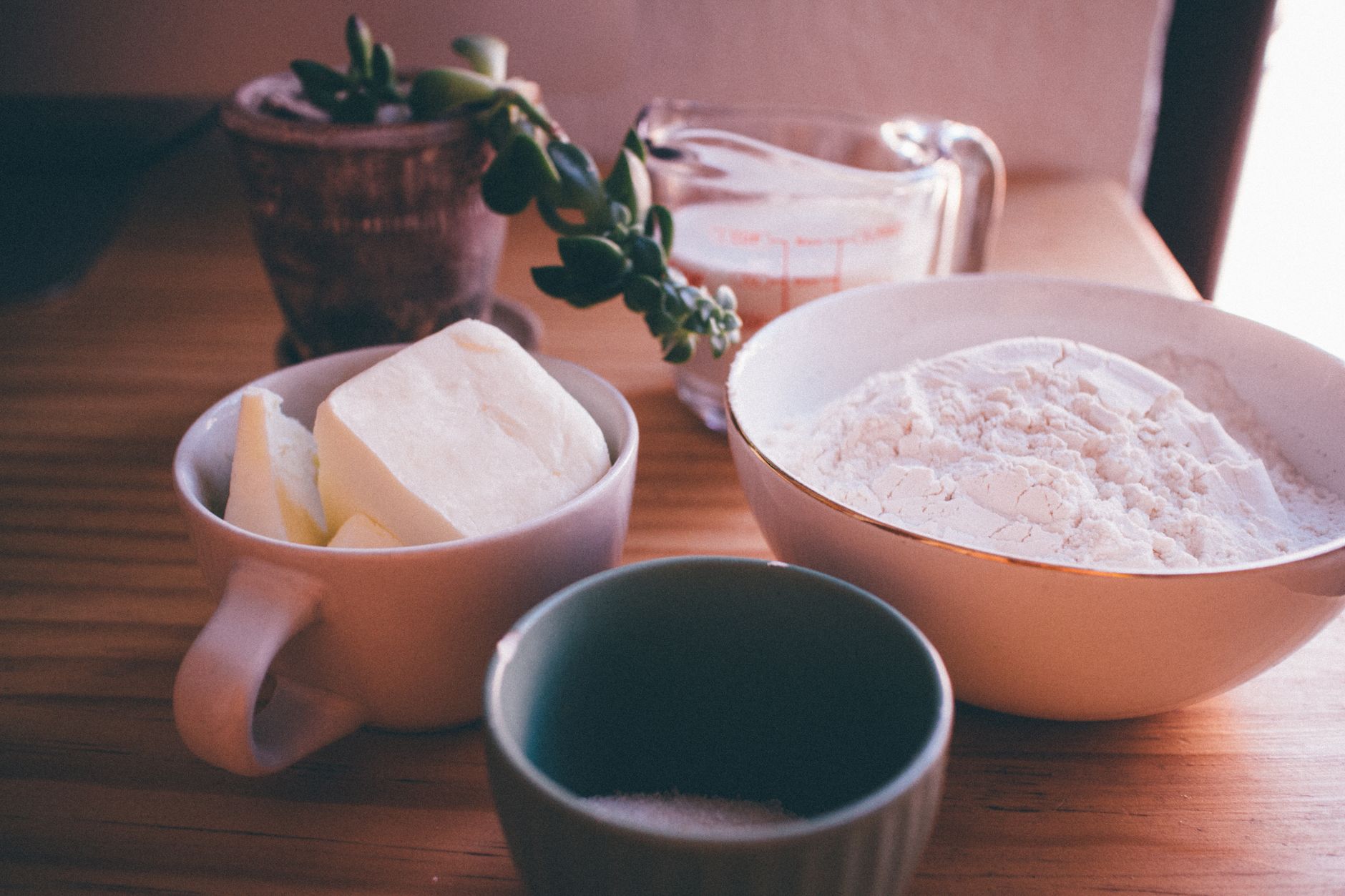
Butter is a staple ingredient in many kitchens, used for cooking, baking, and adding flavor to various dishes. Knowing how to measure butter accurately is essential, especially when precision can affect the outcome of recipes. This article will focus on understanding the conversion of butter measurements, specifically how many ounces are in 1/2 cup of butter.
In baking and cooking, precise measurements can determine whether a dish turns out successfully. This kitchen measurement guide will clarify the amount of butter in various measurements, provide tips for measuring, and address common questions regarding butter and its alternatives. Let’s dive into the specifics of butter measurement and culinary uses.
How Many Oz Is 1/2 Cup Butter?
1/2 cup of butter is equal to 4 ounces. This is a standard conversion used in cooking and baking, where butter measurement plays a crucial role in achieving the desired texture and flavor in your dishes. Understanding this simple conversion allows for more effective ingredient management in your kitchen.
Why Accurate Measurement Matters
Accuracy in measurement is particularly vital in baking, where the chemical reactions between ingredients need to be precise for successful outcomes. A slight variation in the amount of butter, flour, or sugar can lead to variations in moisture content, rise, and flavor. Moreover, overmixing or undermixing can affect the consistency of batters and doughs.
Understanding butter’s measurement is essential not only for baking but also for cooking in general. Dinner recipes may call for specific amounts of butter to achieve a certain richness or flavor, so it’s crucial to know how to measure accurately.
Butter Measurements and Conversion Guide
Besides knowing that 1/2 cup of butter is 4 ounces, here’s a quick reference for various butter measurements:
| Measurement | Ounces | Sticks |
|---|---|---|
| 1 tablespoon | 0.5 oz | 1/8 stick |
| 1/4 cup | 2 oz | 1/2 stick |
| 1/2 cup | 4 oz | 1 stick |
| 1 cup | 8 oz | 2 sticks |
A standard stick of butter in the United States weighs 4 ounces and is typically wrapped in measurements indicating tablespoons and cups on the paper. This makes it easy to use when needing precise amounts while cooking or baking.
How to Measure Butter Accurately
Measuring butter can be done using several methods. Here are some tips on how to measure butter accurately:
- Using sticks: If your butter comes in sticks, simply use the markings on the wrapper. Each stick represents 1/2 cup or 4 ounces. Be sure to use a clean knife to cut through the paper packaging without contaminating the butter.
- Using a liquid measuring cup: For butter not in stick form, you can fill a liquid measuring cup with water. Measure out enough water to reach the 1/2 cup mark, then add firm butter until the water level rises to the 1 cup line. Remove the butter to have exactly 1/2 cup.
- Using a kitchen scale: For the utmost precision, a kitchen scale can be used to weigh the butter. Most scales can easily convert ounces to grams and help ensure an accurate measurement.
- Soften for easier measuring: When measuring soft butter, it’s easier to scoop out of a measuring cup or bowl. Ensure it’s softened at room temperature but not melted to maintain accurate measurement.
Baking and Cooking with Butter
Butter plays a key role in a variety of recipes, influencing flavor and texture. Here are some popular uses for butter:
- Cookies: The right amount of butter impacts the texture of cookies. Too little butter can result in dry, crumbly cookies, while too much can make them greasy and flat.
- Cakes: In cake recipes, butter provides moisture and richness. Creaming butter with sugar helps incorporate air into the batter, contributing to a fluffy and light cake.
- Pastries: The layering of butter is essential in pastries. Cold butter creates flaky layers when it is folded into dough, leading to tender pastries and croissants.
- Sauces: Butter creates a smooth texture in sauces, especially in pairings with cream reduced over low heat.
- Sauteing: Butter can enhance the flavor of vegetables and proteins when used as a cooking medium.
Substitutes for Butter
While butter is beloved for its flavor, there are situations where you may need or want to substitute it. Here’s a list of common butter substitutes:
- Margarine: A popular alternative, margarine can be substituted in a 1:1 ratio for butter in most recipes. However, margarine often contains more water, which may slightly alter texture.
- Coconut oil: This oil can replace butter in a 1:1 ratio, providing a distinct flavor. Remember that coconut oil solidifies at room temperature, influencing texture in certain recipes.
- Vegetable oil: When substituting vegetable oil for butter, use a 1:1.5 ratio (1 cup of butter equals 1.5 cups of oil). This may work well in baked goods but could change the moisture content.
- Applesauce: For healthier baking, unsweetened applesauce can substitute butter in a 1:1 ratio in many recipes, offering moisture with fewer calories.
- Greek yogurt: In baking, Greek yogurt can substitute butter, adding creaminess while reducing fat. Use a 1:1 ratio for a great alternative to achieve a light texture.
Common Mistakes When Measuring Butter
Accurate measurement is crucial, but it’s common to make mistakes in the kitchen. Here are some of the most frequent errors to avoid:
- Not leveling off the measurement: Always use a straight edge to level off when using a measuring cup to ensure accuracy.
- Using melted butter: If a recipe calls for softened butter, ensure it isn’t melted, as this changes the measurement and affects the final product.
- Neglecting temperature: For certain baking techniques, the temperature of butter matters. Be sure to follow instructions whether to use softened or cold butter.
- Ignoring scale accuracy: If using a kitchen scale, ensure it’s calibrated correctly for precise measurements.
Storage and Handling of Butter
Proper storage can prolong the quality and freshness of butter. Here are some essential tips for handling and storing butter:
- Refrigeration: Keep unused butter wrapped in foil or in an airtight container to prevent it from absorbing odors. It can last in the refrigerator for up to four months.
- Freezing: Butter can be frozen for up to a year. Wrap it tightly in plastic wrap or aluminum foil and then place it in a freezer bag. Be sure to label it with the date for reference.
- Room temperature: If you plan to use butter quickly, it can be kept at room temperature for up to a week. Ensure it is covered to prevent it from absorbing odors.
Final Thoughts
Understanding how to measure butter accurately, recognizing its importance in recipes, and being aware of substitutes can enhance your cooking and baking experiences. With the right knowledge, you can approach butter measurement with confidence to achieve delightful results in your culinary adventures.
For those interested in honing their butter skills further, consider exploring how to make clarified butter or trying your hand at butter swim biscuits to enjoy delicious, buttery flavors in various forms. Happy cooking!