
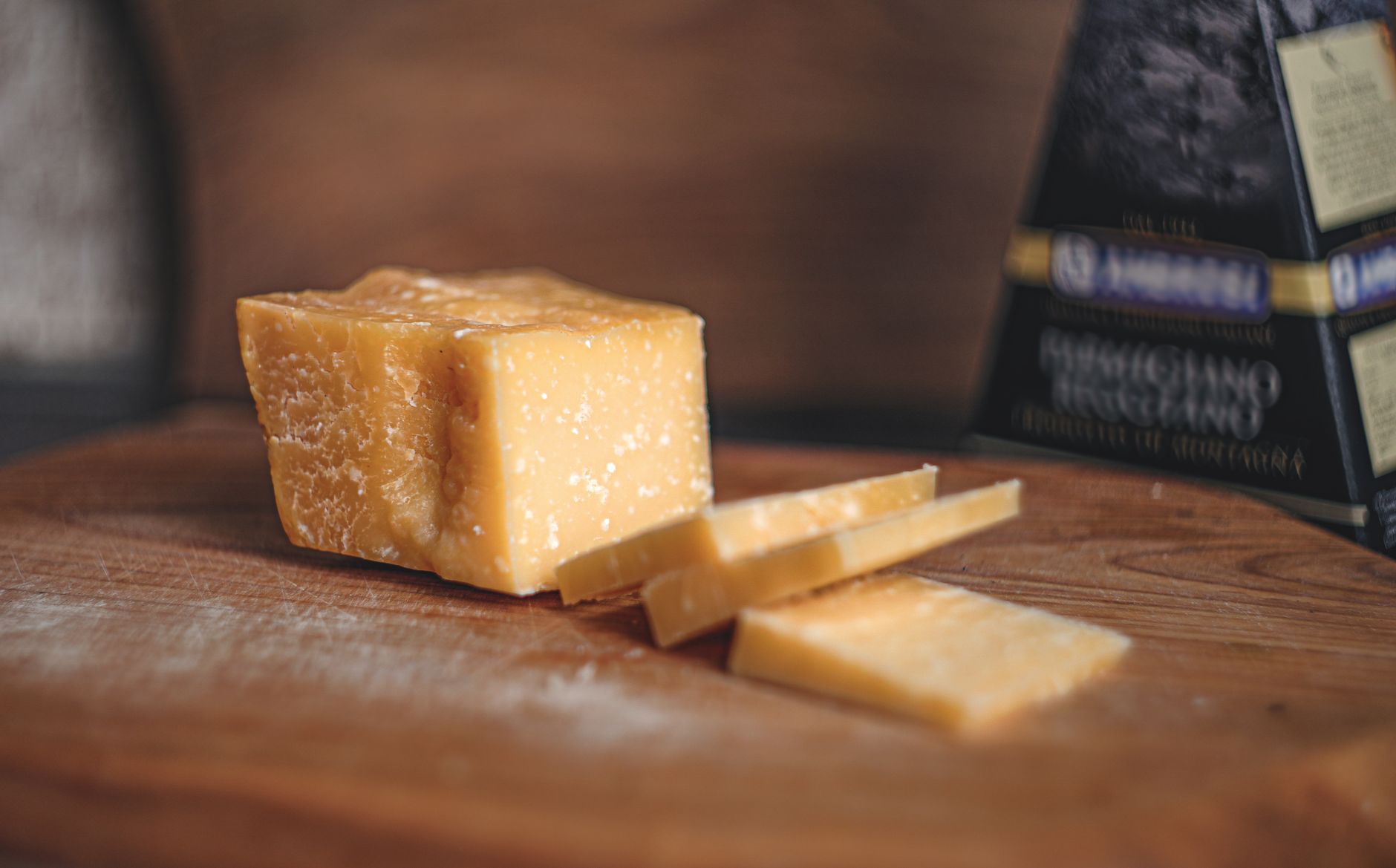
Asiago cheese, a beloved Italian cheese, offers a unique taste experience that can vary depending on its age. Its flavor profiles make it remarkably versatile for various culinary uses, from sauces to salads and everything in between.
In this guide, we’ll explore what makes Asiago cheese distinct, its flavor and texture characteristics, and how to incorporate it into your cooking. Whether you’re a seasoned cheese enthusiast or new to this Italian classic, understanding Asiago’s nuances will elevate your culinary creations.
What Does Asiago Cheese Taste Like?
Asiago cheese has a rich, nutty flavor that can become progressively sharper and more complex with aging. Fresh Asiago (Asiago Pressato) tends to be milder and creamier, while aged Asiago (Asiago Vecchio) develops a stronger, pungent flavor with a grainy texture.
The Flavor Profile of Asiago Cheese
Asiago cheese’s flavor can be broken down into different aspects depending on its aging process.
Fresh Asiago (Asiago Pressato)
- Flavor: Mild, slightly sweet, and buttery, with a hint of nuttiness.
- Texture: Creamy and smooth, easy to slice or spread.
- Uses: Great for sandwiches, salads, or as a dessert cheese alongside fruits.
Aged Asiago (Asiago Vecchio)
- Flavor: Sharp, complex, and robust with a more pronounced nutty and tangy profile.
- Texture: Firm and crumbly, often grainy as it ages further.
- Uses: Perfect for grating over pasta, risottos, or incorporating into sauces.
Understanding the Aging Process
The aging process plays a crucial role in determining the flavor and texture of Asiago cheese. Understanding this can help you select the right type for your culinary needs.
How Aging Affects Flavor
- Fresh (0-3 months): This version retains a milder taste and smooth texture. It is ideal for those who prefer a gentler cheese flavor.
- Semi-Aged (3-8 months): Begins to develop a nuttier profile while still being creamy. This stage is versatile for various dishes.
- Aged (8-18 months): Features a pronounced sharpness and complex flavors. The texture becomes harder and more crumbly at this stage.
- Extra Aged (18+ months): Extremely sharp and pungent, with a distinct flavor that can dominate dishes.
Choosing Asiago Cheese
When selecting Asiago cheese at the grocery store or cheese shop, consider the following tips:
- Check for Freshness: Look for cheese stored under proper refrigeration. The color should be bright and appealing.
- Smell: A good Asiago should have a pleasant aroma that aligns with its age; fresher varieties should smell creamy, while aged varieties will have a stronger scent.
- Texture: Feel the cheese; it should be firm but not overly hard for aged varieties. Fresh Asiago should have a smooth, slightly elastic texture.
Culinary Uses for Asiago Cheese
Asiago’s diverse flavor and texture make it suitable for various dishes and cuisines. Here are some popular ways to use Asiago cheese:
In Cooking
- Pasta Dishes: Grate aged Asiago over pasta dishes for a flavorful finish.
- Risotto: Stir diced or grated Asiago into risotto for added creaminess and flavor.
- Soups: Enhance soups with grated Asiago for depth and richness.
In Salads
- Shredded or Crumbled: Use fresh or semi-aged Asiago in salads to add a delightful creamy texture.
- Cheese Boards: Include both fresh and aged varieties on cheese boards for a range of flavor profiles for guests to enjoy.
On Pizzas and Sandwiches
- Pizza Topping: Use shredded Asiago as a topping for gourmet pizzas.
- Sandwiches: Layer fresh Asiago in sandwiches for a distinct taste.
Asiago Cheese Pairings
Pairing Asiago with the right accompaniments can enhance your culinary experience. Here’s how to match it with other foods and drinks:
Wines
- White Wines: Pair fresh Asiago with crisp white wines, such as Sauvignon Blanc or Pinot Grigio.
- Red Wines: Aged Asiago pairs well with medium-bodied reds like Chianti or Merlot.
Fruits and Nuts
- Fruits: Fresh Asiago complements fruits like apples, pears, and grapes. Aged Asiago is delightful with dried fruits such as figs.
- Nuts: Pair with roasted nuts like almonds or walnuts, which enhance the cheese’s nutty flavor.
Breads
- Artisan Breads: Enjoy Asiago with crusty breads that can balance its rich flavors.
- Crackers: Crisp, mild-flavored crackers work well to carry both fresh and aged varieties.
Cooking Tips and Techniques with Asiago Cheese
When cooking with Asiago, consider these tips to maximize its flavor:
Grating and Shaving
- Use a microplane or box grater for fine shavings of aged Asiago to melt smoothly into sauces.
- For a chunky texture, consider using a wide grater or knife to create irregular pieces.
Melting
- Aged Asiago may not melt as smoothly as other cheeses. If making a cheese sauce, add a bit of milk or cream to ensure a smooth consistency.
- For baked dishes, combine with other cheeses, such as mozzarella, for better melting properties.
Storage of Asiago Cheese
To maintain the quality of your Asiago cheese, proper storage is crucial:
- Fresh Asiago: Wrap in wax paper or cheese paper, then place it in a zip-top bag in the refrigerator.
- Aged Asiago: Keep it wrapped in parchment paper and place it in an airtight container to prevent it from drying out.
- Freezing: While not recommended for long-term storage, you can freeze aged Asiago for up to six months if necessary. Grate it beforehand for easy use.
Common Mistakes When Working with Asiago Cheese
When cooking with Asiago cheese, avoid these common mistakes:
- Using the wrong age for the recipe: Ensure you choose the appropriate freshness or aging level to match the dish’s needs.
- Overheating: Aged Asiago can become oily or rubbery when overheated, so monitor melting closely.
- Inadequate storage: Improperly stored cheese can affect flavor and texture, especially for aged varieties.
Experimenting with Asiago Recipes
If you’re inspired to cook with Asiago cheese, consider trying your hand at the following dishes:
Asiago Cheese Pasta
- Ingredients:
- 8 oz pasta of your choice
- 1 cup shredded aged Asiago cheese
- 2 cups mixed vegetables (like spinach and bell peppers)
- 2 tbsp olive oil
- Salt and pepper to taste
- Preparation: Cook the pasta according to package instructions. In a skillet, heat olive oil, sauté vegetables, then mix with pasta. Stir in grated Asiago and serve.
Asiago Cheese Risotto
- Ingredients:
- 1 cup Arborio rice
- 4 cups chicken or vegetable broth
- 1 cup shredded aged Asiago cheese
- 1 small onion, finely chopped
- 2 tbsp olive oil
- Salt and pepper to taste
- Preparation: In a pot, heat broth. In another pan, sauté onions, then add rice. Gradually add broth, stirring until absorbed. Remove from heat and stir in Asiago before serving.
Final Thoughts on Asiago Cheese
Asiago cheese is a delightful ingredient to explore, with its diverse flavors and textures offering countless possibilities in the kitchen. Whether you are planning to use it in a fresh salad, a savory pasta dish, or simply enjoy it as part of a cheese board, understanding its profile can help you elevate your recipes.
Next time you’re shopping, consider trying both fresh and aged Asiago, then experiment with pairing and cooking techniques to find your favorite ways to enjoy this exquisite cheese.
Explore more about cheese with related guides and recipes that will enhance your culinary experience in the kitchen.