
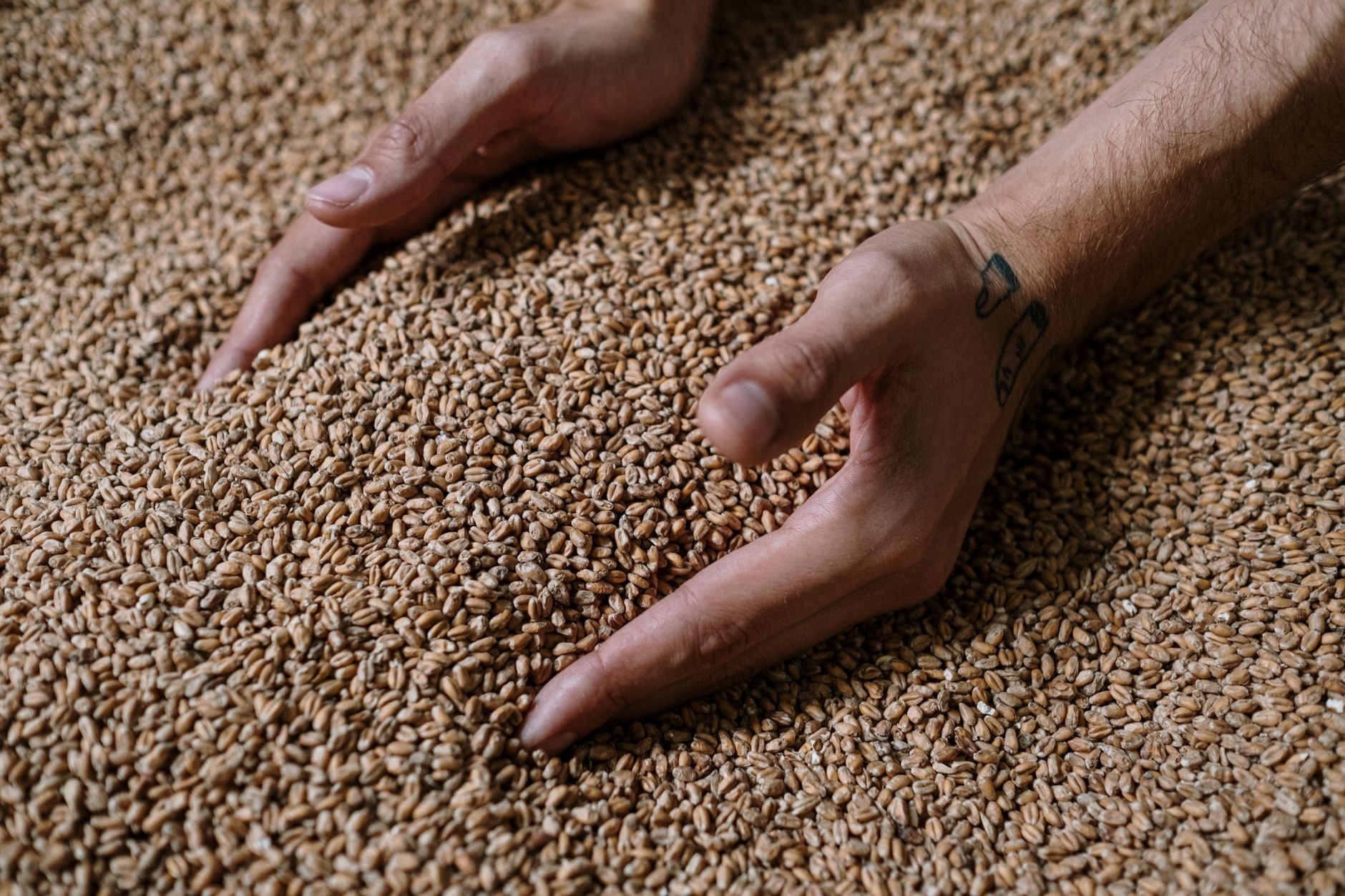
Home brewing beer can be a rewarding and fun hobby for both casual drinkers and serious enthusiasts. Whether aiming to create a classic lager or an experimental fruit beer, knowing what you need to make beer is essential. This guide covers the required ingredients, equipment, and processes to help you get started.
With a variety of flavors, aromas, and styles, beer offers endless possibilities for creativity. This article will detail not only what you need but also how to utilize each ingredient effectively to craft the perfect brew.
What Do You Need to Make Beer?
To successfully brew beer, you need a range of ingredients and equipment. The primary ingredients required include malted grains, hops, yeast, and water. Additionally, specific equipment is necessary to facilitate the brewing process. Below is a comprehensive overview of the essential components for beer-making.
Ingredients for Brewing Beer
Malted Grains
- Base Malt: This is the primary source of fermentable sugars. Common options include 2-row pale malt, Munich malt, or Pilsner malt.
- Specialty Malts: These are used to add color, flavor, and aroma. Examples include crystal malt for sweetness, chocolate malt for color, and roasted barley for nuttiness.
When using malted grains, consider the following steps:
- Start with about 8-12 pounds of base malt for a standard 5-gallon batch.
- Add specialty malts based on the desired flavor profile, typically around 1-2 pounds.
Hops
Hops are essential for flavor, aroma, and bitterness. Different hop varieties impart various characteristics:
- Bittering Hops: Added early in the boil to provide bitterness. Common choices include Centennial, Chinook, and Magnum.
- Aroma Hops: Added towards the end of the boil for fragrance. Popular options include Cascade, Amarillo, and Citra.
The amount of hops required can vary depending on the style of beer and desired bitterness. As a rule of thumb:
- Use about 1 to 2 ounces of bittering hops.
- Use 0.5 to 1 ounce of aroma hops at the end of the boil.
Yeast
Yeast is the microorganisms that ferment the sugars from malts, producing alcohol and carbon dioxide. The choices between ale and lager yeast are significant:
- Ale Yeast: Ferments at warmer temperatures (60-75°F) and generally produces fruity flavors. Examples include US-05 and Wyeast 1056.
- Lager Yeast: Ferments at cooler temperatures (45-55°F) and results in a clean, crisp flavor. Examples include Wyeast 2124 and Saflager 34/70.
For a 5-gallon batch, use approximately:
- 1 packet of dry yeast or 1-2 vials of liquid yeast.
Water
Water is crucial as it makes up over 90% of beer. The quality of the water can significantly impact the final product:
- Use filtered or bottled water to avoid chlorine and other contaminants.
- Pay attention to the mineral content, particularly calcium, magnesium, and sulfates, as they contribute to flavor and mouthfeel.
Typically, you will need around 6-8 gallons of water for a 5-gallon batch, accounting for evaporation during the boil and absorption by grains.
Additional Ingredients for Flavor and Complexity
While the four main ingredients are fundamental, various adjuncts can enhance your beer:
- Adjuncts: Ingredients like corn, rice, or oats can be added for different flavor profiles, mouthfeel, and body.
- Fruit: Adding fruits like cherries, oranges, or peaches can introduce unique flavors to your beer.
- Spices and Herbs: Ingredients like coriander, ginger, or even coffee can add complexity to your brew.
Essential Equipment for Home Brewing
In addition to ingredients, specific equipment is vital for brewing beer effectively. Below are the essential items you will need:
Brewing Equipment
- Brewing Kettle: A large, stainless-steel pot (at least 5 gallons) is necessary for boiling the wort.
- Fermenter: A food-grade plastic or glass fermenter with an airlock is required to allow fermentation without contamination.
- Thermometer: An accurate thermometer is essential for monitoring temperature during the brewing and fermentation process.
- Hydrometer: This tool measures the specific gravity of the wort, helping estimate alcohol content.
- Siphon and Bottling Equipment: Either a siphon or auto-siphon for transferring beer without oxidation is necessary, along with bottles and caps for packaging.
- Sanitization Supplies: Sanitizing solution, or no-rinse sanitizer is crucial for preventing contamination throughout the brewing process.
Step-by-Step Guide to Brewing Beer
The following steps outline the basic brewing process:
- Mash: Heat water in the brewing kettle to the appropriate temperature (150-160°F). Add crushed grains and maintain this temperature for 60 minutes to convert starches into sugars.
- Sparge: After mashing, rinse the grains with hot water to extract additional sugars. Collect the liquid (wort) in the kettle.
- Boil: Bring wort to a rolling boil. Add bittering hops at the beginning of the boil (60 minutes), and add aroma hops in the last 5-15 minutes according to your recipe.
- Cool: After boiling, you must cool the wort quickly to below 75°F using a wort chiller or ice bath to prevent contamination.
- Ferment: Transfer the cooled wort to the fermenter, pitch the yeast, and seal with an airlock. Allow it to ferment for 1-2 weeks in a dark, cool place.
- Bottling: After fermentation, siphon the beer into bottles to avoid oxidizing the beer. Add priming sugar before capping for carbonation.
- Conditioning: Let the bottled beer condition at room temperature for 1-2 weeks, then chill and enjoy.
Common Mistakes to Avoid
While home brewing can be straightforward, several common mistakes can lead to issues:
- Inadequate Sanitization: Always sanitize all equipment to prevent infection.
- Temperatures: Monitor mash and fermentation temperatures carefully for optimal results.
- Rushing the Process: Give your beer ample time to ferment and condition for maximum flavor development.
Storage and Aging of Beer
Once bottled, the storage conditions significantly impact your beer’s flavor and texture. Consider these tips for storage:
- Store beer upright in a cool, dark place to prevent light exposure and sediment disturbance.
- Monitor the aging process based on the beer style; some beers improve with age while others are best enjoyed fresh.
Experimentation and Variations
As you become more comfortable with brewing, don’t hesitate to experiment with different ingredients, techniques, and styles:
- Try different malt and hop combinations for unique flavors.
- Test out various yeast strains to impact aroma and palate.
- Experiment with adjuncts like honey or spices to create signature brews.
Document each batch carefully; noting changes in ingredients and processes will help refine your brewing skills over time.
Conclusion
Brewing your own beer is a fulfilling way to explore flavors and enhance your culinary skills. With the right ingredients and equipment, anyone can produce great tasting beer at home. The essential components include malted grains, hops, yeast, and water, along with specific brewing equipment. Don’t shy away from experimentation and keep refining your techniques to craft beers that suit your palate.
For an engaging food experience, explore our beer can chicken recipe or relax with a refreshing bourbon slush recipe!