
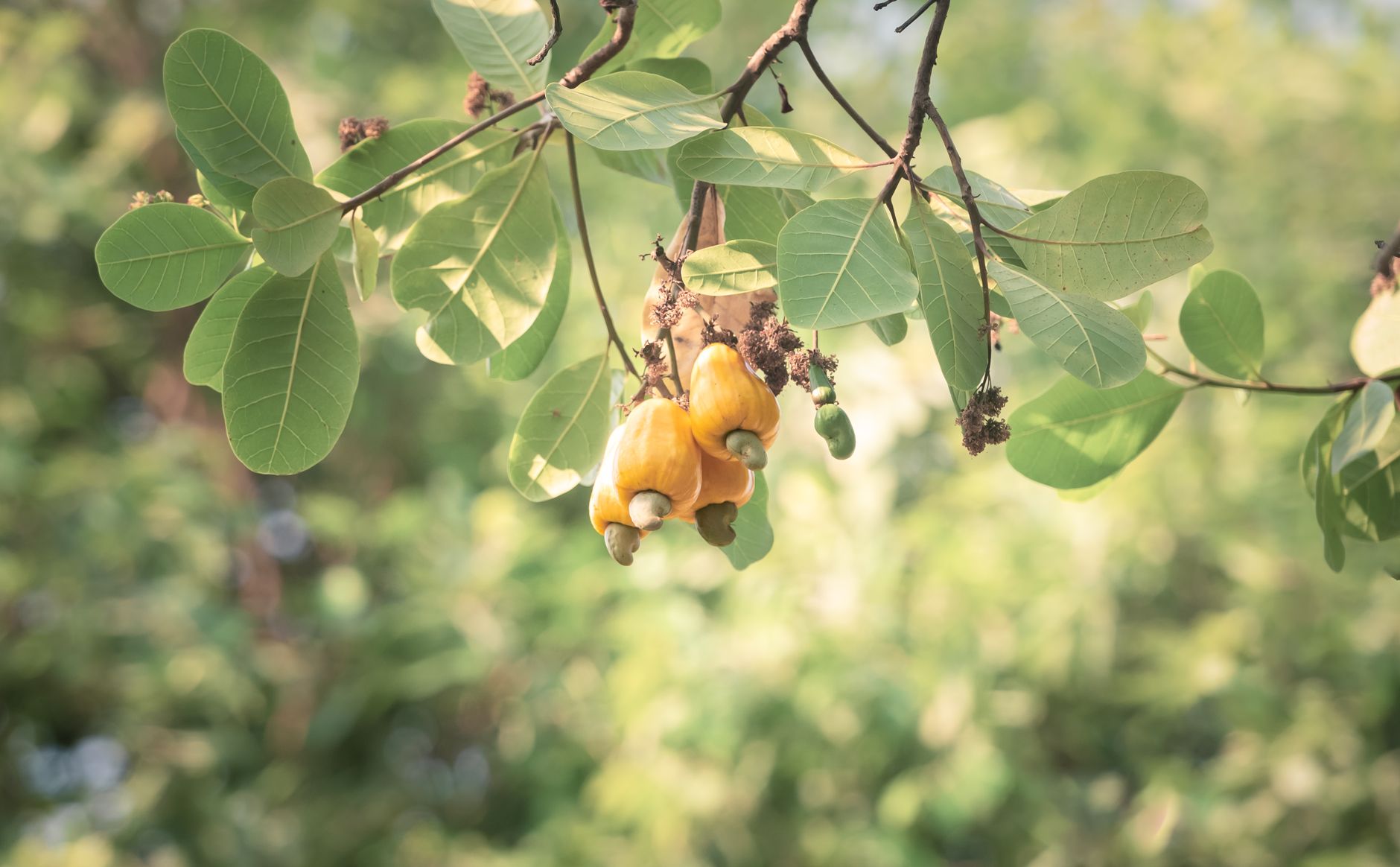
Cashews are not just a delicious and versatile snack; they have a fascinating journey from tree to table. Understanding where cashews are grown can enhance your appreciation for this unique ingredient and help you make informed choices when selecting them for cooking or snacking. In this article, we will explore the origins, cultivation regions, and culinary uses of cashews.
This deep dive into where cashews are grown will not only cover the specific countries and climates suited for cashew cultivation but also discuss their production, harvesting methods, and the various ways you can incorporate cashews into your meals.
Where Are Cashews Grown?
Cashews are primarily grown in tropical climates. The largest producers of cashews are countries located in West Africa, South Asia, and South America. Countries like Vietnam, India, and Brazil lead the way in cashew production due to their favorable weather conditions and the prevalence of cashew trees in their regions.
Specifically, Vietnam is the world’s largest exporter of cashew nuts, followed by India and Côte d’Ivoire. These regions offer the necessary warm temperatures and well-draining soils that cashew trees thrive in, allowing for significant commercial cultivation.
The Cashew Tree: An Overview
The cashew tree, scientifically known as Anacardium occidentale, is a tropical evergreen that can grow up to 14 meters tall. This tree is not only valuable for its nuts but also for its cashew apple, a fruit that is often used in various dishes and beverages.
Cashew trees thrive in varying conditions, but they prefer sandy, loamy soils and a climate with moderate to low humidity. They need a well-defined dry season to produce the highest quality nuts, which are harvested from the cashew apple.
Key Cashew-Growing Regions
1. Vietnam
Vietnam is at the forefront of cashew production, primarily concentrated in the southern region of the country. The area benefits from a tropical climate with enough rainfall and sunshine, which is ideal for growing cashews. Major provinces like Bình Phước and Đồng Nai account for a large portion of the country’s cashew crop.
2. India
India has a long history of growing cashews, with significant production in states such as Maharashtra, Goa, and Kerala. The country has ideal growing conditions for cashew trees, including warm temperatures and well-drained soil. Indian cashews are known for their distinct flavor and are often exported worldwide.
3. Brazil
Brazil was one of the first countries to cultivate cashews, specifically in the northeastern region. States such as Bahia and Ceará lead in production. While Brazil’s output has decreased over the years due to various challenges, it still produces high-quality cashew nuts that are cherished in both domestic and international markets.
4. Côte d’Ivoire
Côte d’Ivoire (Ivory Coast) is one of the fastest-growing cashew producers in Africa. The country has made significant investments in the development of its cashew sector, leading to increased yields and export potential. The warm climate and fertile land create ideal conditions for growing cashew trees.
Cashew Production and Harvesting
The process of growing, harvesting, and processing cashews is labor-intensive. Here’s a breakdown of what it entails:
Growing Cashews
- Planting: Cashew trees are typically planted in well-draining soil, ideally during the rainy season to ensure consistency in moisture.
- Growth Period: It takes about three to five years for a cashew tree to start bearing fruit. Once it matures, it can produce nuts for up to 30 years.
- Watering: Watering is essential, especially during the early stages of growth and during the flowering period. However, trees do not require excessive water.
Harvesting Cashews
Harvesting cashews is an intricate process, and it usually occurs during the dry season. The steps include:
- Picking: When the cashew apples ripen, they fall to the ground, and farmers collect them. Nuts are still attached to the fruits, encased in a shell.
- Shelling: The nuts must be removed from the apple and are then shelled using specialized machines or manual techniques.
- Drying: After shelling, the nuts undergo a drying process to remove excess moisture, which helps in preserving their quality.
- Grading: Cashews are sorted based on size and quality before packaging for sale.
Culinary Uses of Cashews
Cashews are globally loved for their unique flavor, creamy texture, and nutritional benefits. Below are some popular culinary uses:
1. Eating Raw or Roasted
Cashews are delicious whether consumed raw or roasted. Roasted cashews can be enjoyed as a snack or used as a topping for salads, yogurt, or oatmeal. They provide a hearty crunch and nutty flavor.
2. Cashew Butter
Cashew butter is a creamy spread made from ground cashews. It can be used as an alternative to peanut butter in sandwiches, smoothies, or fruit dips. Its mild taste pairs well with sweet or savory dishes.
3. Cashew Cream
Cashew cream is a dairy-free alternative made by blending soaked raw cashews with water. It can be used in soups, sauces, or desserts, offering a rich, creamy texture without the dairy. This makes it a popular choice in vegan and lactose-free diets.
4. Cashew Cheese
This is another plant-based alternative. Cashew cheese is made by blending soaked cashews with nutritional yeast, herbs, and spices, creating a flavorful spread that mimics traditional cheese.
5. Cashew Milk
Cashew milk is made by blending cashews with water and straining the mixture. It’s a creamy, dairy-free milk alternative that can be added to coffee, cereals, or smoothies.
6. Asian and Indian Cuisine
In Asian and Indian culinary traditions, cashews are often incorporated into curries, stir-fries, and desserts. They add depth, crunch, and richness to various dishes, enhancing their flavor profiles.
Nutritional Profile of Cashews
Cashews are not only delicious but also pack a nutritional punch. They contain essential nutrients like:
- Healthy fats (primarily monounsaturated fats)
- Protein
- Fiber
- Vitamins (such as Vitamin E and K)
- Minerals (including magnesium, phosphorus, zinc, and copper)
These nutrients contribute to heart health, support immune function, and provide antioxidant properties. However, moderation is key since cashews are energy-dense and high in calories.
Common Misconceptions About Cashews
There are several misconceptions about cashews that are worth addressing:
- Are Cashews Nuts? Technically, cashews are seeds from the cashew apple and belong to a family known as pseudonuts.
- Cashews and Allergies: While cashew allergies exist, they are less common than peanut allergies. It’s essential for individuals with nut allergies to consult a healthcare provider before consuming cashews.
Substituting Cashews in Recipes
If you’re out of cashews or looking for alternatives due to allergies or dietary restrictions, consider the following options:
- Almonds: Almonds can provide a similar crunch and serve as an alternative in most recipes.
- Pine Nuts: They have a rich and buttery flavor which can work in both savory and sweet dishes.
- Sunflower Seeds: For nut-free options, sunflower seeds can mimic the texture and are great in salads or as butters.
Each substitute may subtly alter the taste and texture of the dish, so take this into account when making changes.
Storing Cashews
Proper storage of cashews ensures they remain fresh and flavorful. Follow these tips:
- Keep in an Airtight Container: Store raw or roasted cashews in a sealed container to prevent moisture and air from degrading their quality.
- Cool, Dark Place: Ideally, store them in a cool, dark location, such as a pantry or cabinet. Avoid direct sunlight.
- Refrigeration: For longer shelf life, consider refrigerating or freezing cashews. This helps extend their freshness, particularly for raw cashews.
Conclusion
Understanding where cashews are grown, how they are processed, and their culinary applications can enhance your cooking experience and appreciation for this unique ingredient. Whether you snack on them raw, incorporate them in recipes, or use their by-products like cashew cream, the versatility of cashews can elevate various dishes.
For your next culinary adventure, consider exploring the potential of cashews in your cooking. Experimenting with cashew cream in sauces, making homemade cashew butter, or simply enjoying them as a snack can open up a world of flavors and possibilities.
Explore related recipes or cooking tips to enhance your culinary knowledge and skills!