
Magnesium is an essential mineral that plays a significant role in numerous bodily functions, including muscle function, energy production, and maintaining healthy bones. Understanding which foods are rich in magnesium can help you make better dietary choices. This guide will explore various foods high in magnesium, their serving sizes, and how you can include them in your meals.
From leafy greens to nuts, many food options are not only delicious but also packed with magnesium. Let’s dive into the foods that have the highest magnesium content and discover how to incorporate them into your daily diet.
What Food Has The Most Magnesium?
Foods that are particularly high in magnesium include nuts, seeds, whole grains, fruits, vegetables, and legumes. Each food provides varying amounts of magnesium per serving, making it easier for you to plan your meals according to your nutritional needs. Here are some of the top foods known for their high magnesium content.
Nuts and Seeds
Nuts and seeds are excellent sources of magnesium and can easily be added to various dishes. They are not just a great snack; they can also enhance the flavor and nutritional value of salads, smoothies, and baked goods.
1. Pumpkin Seeds
Among all seeds, pumpkin seeds are known for their impressive magnesium levels.
- Serving Size: 1 ounce (28.35 grams)
- Magnesium Content: 168 mg
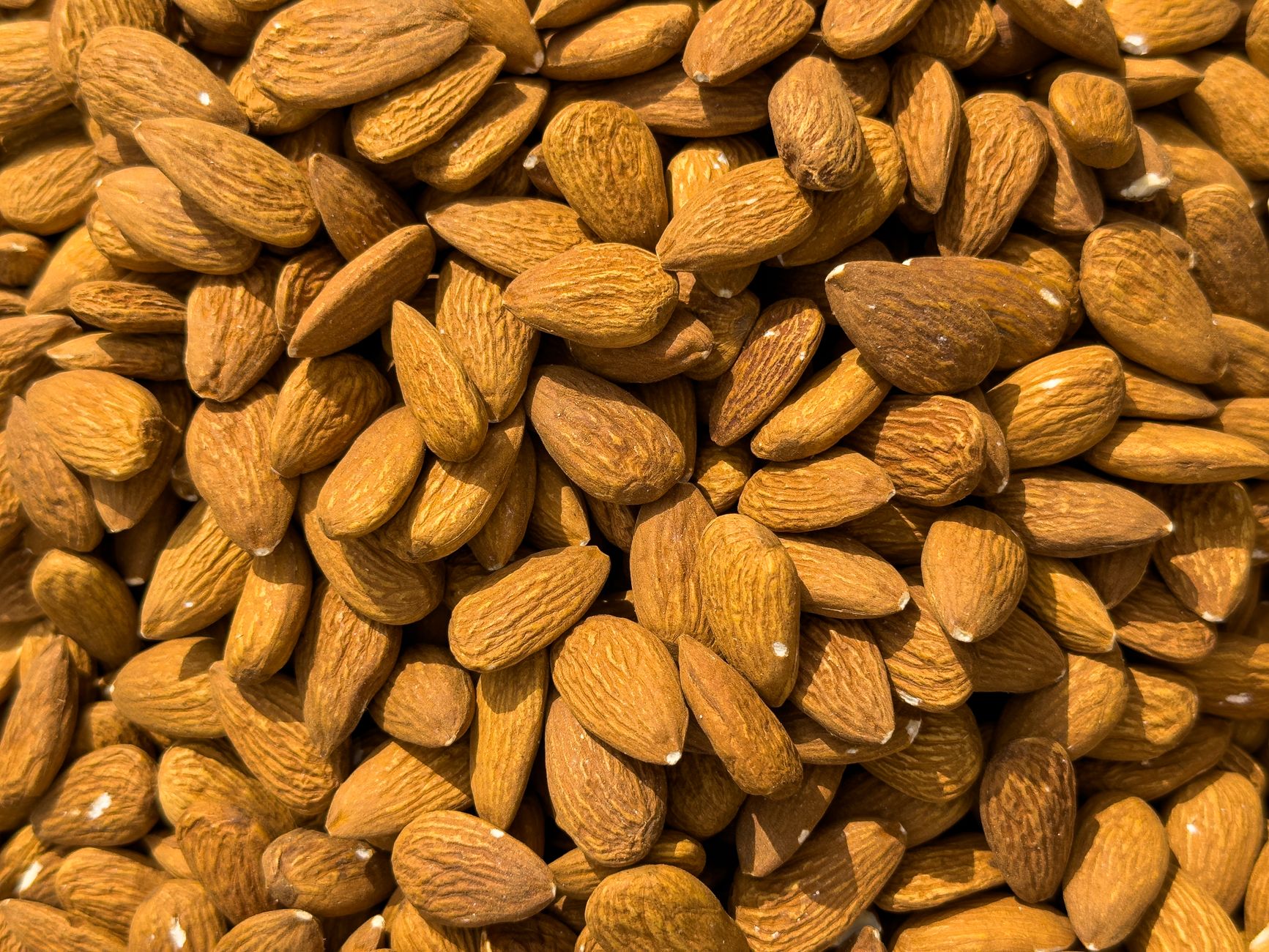
2. Almonds
Almonds are not only a popular snack but also versatile enough to be used in both sweet and savory dishes.
- Serving Size: 1 ounce (28.35 grams)
- Magnesium Content: 76 mg
3. Cashews
These creamy nuts are often enjoyed toasted or salted but can also be blended into sauces.
- Serving Size: 1 ounce (28.35 grams)
- Magnesium Content: 82 mg
4. Sunflower Seeds
Sunflower seeds are a great addition to salads and granola, offering a nice crunch.
- Serving Size: 1 ounce (28.35 grams)
- Magnesium Content: 37 mg
Whole Grains
Whole grains not only provide energy but also are an excellent source of magnesium and other essential nutrients. Incorporating whole grains into meals can aid digestion and overall health.
5. Quinoa
This ancient grain is gluten-free and packed with protein, making it a popular choice among health enthusiasts.
- Serving Size: 1 cup cooked (185 grams)
- Magnesium Content: 118 mg
6. Brown Rice
Brown rice is a nutritional powerhouse compared to white rice, retaining its bran and germ.
- Serving Size: 1 cup cooked (195 grams)
- Magnesium Content: 84 mg
7. Oats
Oats are an easy-to-prepare breakfast staple that can be customized with various toppings.
- Serving Size: 1 cup cooked (234 grams)
- Magnesium Content: 63 mg
Vegetables
Leafy greens and certain vegetables are not just low in calories but also packed with magnesium. Including a variety of vegetables in your diet can promote better health.
8. Spinach
This leafy green is a culinary favorite and can be eaten raw in salads or cooked in dishes.
- Serving Size: 1 cup cooked (180 grams)
- Magnesium Content: 157 mg
9. Swiss Chard
With its vibrant colors and slightly earthy flavor, Swiss chard is an excellent addition to any meal.
- Serving Size: 1 cup cooked (175 grams)
- Magnesium Content: 150 mg
10. Avocado
Avocados are not only creamy and delicious; they are also a good source of magnesium.
- Serving Size: 1 whole (150 grams)
- Magnesium Content: 58 mg
Legumes
Legumes are a great source of plant-based protein and fiber, making them ideal for vegetarians and anyone looking to add more nutritious food to their diet.
11. Black Beans
These versatile beans can be used in soups, salads, or burritos.
- Serving Size: 1 cup cooked (172 grams)
- Magnesium Content: 60 mg
12. Chickpeas
Also known as garbanzo beans, chickpeas can be roasted for a crunchy snack or mashed into hummus.
- Serving Size: 1 cup cooked (164 grams)
- Magnesium Content: 79 mg
13. Lentils
Lentils are quick to cook and can be added to soups, stews, and salads.
- Serving Size: 1 cup cooked (198 grams)
- Magnesium Content: 71 mg
Fish
Some types of fish are not only rich in omega-3 fatty acids but also provide significant amounts of magnesium.
14. Mackerel
This fatty fish is both flavorful and nutritious.
- Serving Size: 3.5 ounces (100 grams)
- Magnesium Content: 97 mg
15. Salmon
Salmon is a popular choice for its rich flavor and health benefits, including being a good source of magnesium.
- Serving Size: 3.5 ounces (100 grams)
- Magnesium Content: 37 mg
Fruits
While fruits typically contain lower magnesium levels compared to other sources, certain varieties still contribute positively to your daily intake.
16. Bananas
Popular for their portability, bananas are also rich in potassium and offer some magnesium as well.
- Serving Size: 1 medium (118 grams)
- Magnesium Content: 32 mg
17. Figs
Dried figs are a delightful treat and provide a concentrated source of magnesium.
- Serving Size: 4 dried figs (120 grams)
- Magnesium Content: 68 mg
18. Blackberries
These berries are not only delicious but also packed with antioxidants and essential vitamins.
- Serving Size: 1 cup (144 grams)
- Magnesium Content: 29 mg
How to Incorporate These Foods into Your Diet
Including magnesium-rich foods in your meals doesn’t have to be challenging. Here are some practical tips to help you get started:
- Make Smoothies: Blend spinach, avocado, and a banana for a nutritious breakfast.
- Add Nuts to Salads: Top your salads with pumpkin seeds or almonds for added crunch.
- Snack Wisely: Keep roasted chickpeas or mixed nuts on hand for a healthy snack option.
- Use Whole Grains: Replace white rice with quinoa or brown rice to boost your meal’s magnesium content.
- Incorporate Fish: Grill or bake mackerel or salmon as part of your weekly dinner rotation.
Addressing Common Concerns
If you’re looking to increase your magnesium intake, it’s also important to consider absorption and balance. Here are a few common questions regarding magnesium intake:
1. What if I take magnesium supplements?
While supplements can be beneficial, it’s usually best to get nutrients from whole foods when possible. If you’re considering supplements, consult a healthcare provider to ensure you’re taking the correct dosage and form.
2. Can cooking affect magnesium levels?
Yes, cooking methods can impact the magnesium content in food. Boiling vegetables can lead to magnesium loss, so consider steaming or sautéing to preserve nutrients.
3. Foods to Avoid with High Magnesium Intake?
High doses of certain foods or supplements might interact with medications. Always consult your doctor if you’re on medication that might be affected by magnesium levels.
Final Thoughts
By including a variety of magnesium-rich foods in your daily diet, you can easily boost your magnesium intake while enjoying a diverse range of flavors and textures. Focus on whole foods like nuts, seeds, whole grains, legumes, vegetables, and certain fruits to naturally meet your nutritional needs.
Start planning your meals with this knowledge in mind, and you’ll be well on your way to a healthy, balanced diet. As you explore more about nutrition, consider checking out delicious recipes like chia pudding or learn about the versatility of lima beans.