
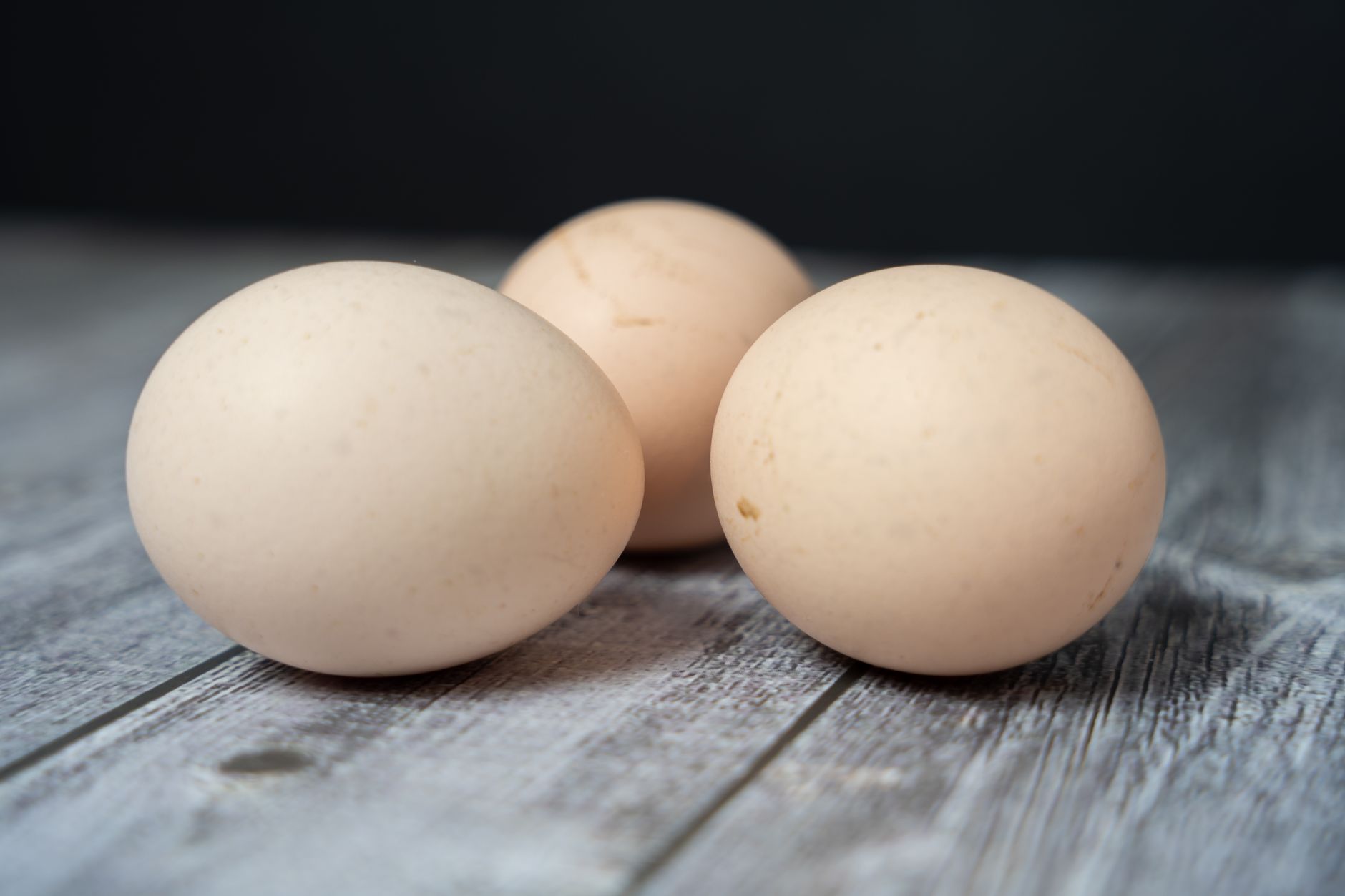
Eggs are a staple in many diets around the world, known for their versatility and nutritional benefits. Among the nutrients they provide, protein is particularly noteworthy, making them a popular choice for breakfast, snacks, and even main dishes. In this article, we’ll explore just how much protein is in three eggs, along with insights into serving sizes, portions, and other nutritional content.
Whether you’re aiming to boost your protein intake or simply want to understand how eggs can fit into your meal planning, getting to know the protein content in eggs is a valuable step. Let’s dive into the details!
How Much Protein Is in 3 Eggs?
Three large eggs contain approximately 18 grams of protein. Each large egg has about 6 grams of protein, making eggs an excellent source of high-quality protein that is easy to incorporate into various meals.
Understanding Egg Sizes and Their Protein Content
It’s important to note that the protein content can vary slightly based on the size of the eggs. Here’s a quick breakdown:
- Large Egg: About 6 grams of protein
- Medium Egg: Approximately 5 grams of protein
- Extra Large Egg: Around 7 grams of protein
- Jumbo Egg: Approximately 8 grams of protein
When you consider these variations, three extra-large eggs could provide up to 21 grams of protein, while three medium eggs yield around 15 grams. The most common size, large eggs, typically deliver the widely recognized total of 18 grams for three.
The Nutritional Profile of Eggs
Beyond just protein, eggs are rich in a variety of nutrients that contribute to a balanced diet:
- Vitamins: Eggs are a good source of B vitamins, particularly B12, riboflavin, and folate. These vitamins are essential for energy production and overall health.
- Minerals: They also provide important minerals such as selenium, phosphorus, and iron.
- Healthy Fats: A standard large egg contains about 5 grams of fat, primarily healthy unsaturated fats.
- Choline: Eggs are one of the best sources of choline, important for brain health and metabolism.
Serving Sizes and How to Include Eggs in Your Diet
Understanding serving sizes can help you incorporate eggs effectively into your meals. Depending on dietary needs, eggs can be consumed in various forms and meals:
- Breakfast: A classic choice, often scrambled, boiled, or made into an omelet.
- Snacks: Hard-boiled eggs are easy to prepare in advance and offer a quick protein boost.
- Salads: Adding sliced hard-boiled eggs to salads enhances the protein content significantly.
- Baking: Eggs are essential for binding ingredients in baking recipes, adding moisture and structure.
Practical Ways to Cook Eggs
Cooking methods greatly influence the texture and flavor of eggs. Here are several popular techniques along with cooking tips:
1. Scrambling Eggs
- Crack the desired number of eggs into a bowl and whisk until well combined.
- Preheat a nonstick skillet over medium-low heat and add a small amount of butter or oil.
- Pour in the eggs and let them sit for a few seconds before gently stirring with a spatula.
- Cook until they are just set but still creamy; remove from heat.
2. Boiling Eggs
- Place eggs in a saucepan and cover them with cold water.
- Bring the water to a boil, then reduce the heat and simmer for the desired time: about 9-12 minutes for hard-boiled.
- Remove from heat, transfer to an ice bath, and cool for 5-10 minutes before peeling.
3. Poaching Eggs
- Fill a pan with water and bring it to a gentle simmer. Add a dash of vinegar if desired.
- Crack an egg into a small bowl and gently slide it into the simmering water.
- Cook for about 3-4 minutes until the white is set but the yolk is still runny. Remove with a slotted spoon.
Common Egg Substitutions
For those who are vegan or need to avoid eggs for dietary reasons, there are several effective substitutes:
- Flaxseed Meal: Mix one tablespoon of flaxseed meal with three tablespoons of water to replace one egg in baking.
- Chia Seeds: Similar to flaxseeds, mix one tablespoon of chia seeds with three tablespoons of water to replace one egg.
- Smooth Applesauce: Use 1/4 cup of unsweetened applesauce per egg in recipes for moisture.
- Silken Tofu: Blend 1/4 cup of silken tofu until smooth to replace one egg, ideal for baking.
Addressing Common Mistakes When Cooking Eggs
While cooking eggs might seem straightforward, several common mistakes can lead to less-than-ideal results:
- Overcooking: Eggs can become dry and rubbery if overcooked. Aim for soft textures, especially with scrambled or poached eggs.
- Using High Heat: Cooking eggs on high heat can result in uneven cooking. Always use medium to low heat for best results.
- Failing to Whisk Thoroughly: For scrambled eggs, whisking well incorporates air, leading to fluffier eggs.
Storing Eggs Safely
To maintain freshness and ensure safety when enjoying eggs, proper storage is key:
- Refrigeration: Store eggs in the refrigerator in their original carton to protect them from absorbing odors.
- Cooking Time: Cooked eggs should be consumed or refrigerated within two hours after cooking.
- Freezing: Uncooked eggs can be frozen if beaten; ensure to store them in airtight containers for longer shelf life.
Meal Planning with Eggs
When it comes to meal planning, eggs offer flexibility. They can be included in various recipes for breakfast, lunch, or dinner, making them a valuable ingredient for any diet:
- Breakfast Ideas: Try egg muffins, omelets filled with vegetables, or breakfast burritos.
- Lunch Suggestions: Include egg salads or grain bowls topped with a poached egg.
- Dinner Dishes: Frittatas or quiches are delicious ways to pack in eggs along with other nutritious ingredients.
Protein-Rich Egg Recipes to Try
If you’re looking for inspiration on delicious egg dishes that maximize protein intake, here are a few recipes to consider:
Vegetable Omelet
- Ingredients:
- 3 large eggs
- 1/4 cup bell peppers, chopped
- 1/4 cup spinach
- 1/4 cup cheese (optional)
- Salt and pepper to taste
- Whisk together the eggs, salt, and pepper in a bowl.
- Heat a nonstick skillet over medium heat and add the vegetables.
- Pour the eggs over the vegetables and cook until set, adding cheese if desired.
- Fold and serve warm.
Egg Salad
- Ingredients:
- 3 hard-boiled eggs
- 1/4 cup mayonnaise
- 1 tablespoon Dijon mustard
- Salt and pepper to taste
- Chopped green onions for garnish
- Chop the hard-boiled eggs and combine them with mayonnaise, mustard, salt, and pepper.
- Serve on bread or greens, garnished with green onions.
Final Thoughts
Eggs are not only a rich source of protein, but they also offer essential vitamins and minerals making them a great addition to any meal plan. Understanding how much protein is in three eggs helps you strategize your dietary needs while enjoying the rich flavor and versatility they bring. From fluffy scrambled eggs to hearty quiches, there are endless possibilities to incorporate this nutritious food into your diet.
Explore more cooking tips and egg recipes for your meal planning adventure as you incorporate nutritious ingredients into your meals. Check out how many calories in 2 scrambled eggs or discover how many carbs are in eggs to further enrich your culinary knowledge.