
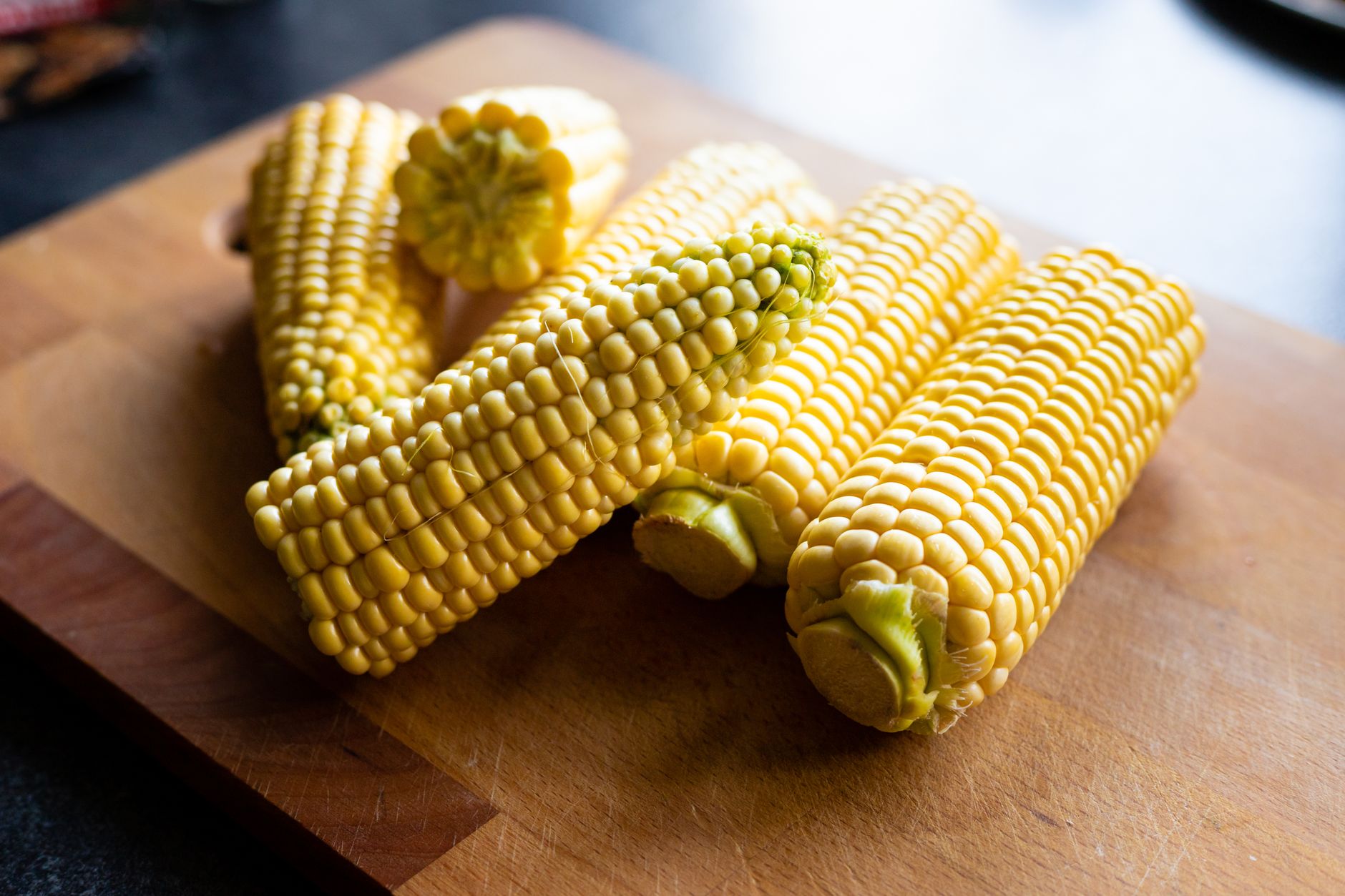
Corn is a staple food in various cultures around the world, known for its versatility and rich flavor. Beyond its culinary uses, corn has nutritional benefits, notably its fiber content, which is essential for digestive health.
In this article, we will explore how much fiber is in corn, the different types of corn, and how to incorporate it into your diet through various recipes and meal ideas.
How Much Fiber Is in Corn?
Corn contains approximately 2 grams of dietary fiber per 100 grams, which can vary slightly based on the type of corn and preparation method. The fiber is primarily found in the outer hull of the kernel, making whole kernel corn a good source of this essential nutrient.
Nutritional Benefits of Fiber
Fiber plays several critical roles in human health. It aids digestion, helps maintain healthy blood sugar levels, and can assist in weight management by promoting a feeling of fullness. Including adequate fiber in your diet is essential for overall health.
Types of Corn and Their Fiber Content
There are several types of corn, each with its own flavor, texture, and nutritional profile. Below are some of the most common types of corn along with their fiber content:
- Sweet Corn: Sweet corn, often consumed fresh, canned, or frozen, contains about 2 grams of fiber per 100 grams. It is commonly used in salads, side dishes, and soups.
- Popcorn: Popcorn is a whole grain that is very high in fiber, offering about 14 grams of fiber per 100 grams when air-popped. It’s a popular snack that can be enjoyed plain or with various toppings.
- Cornmeal: Made from ground corn, cornmeal contains about 7 grams of fiber per 100 grams. It is commonly used in baking and cooking dishes such as cornbread and polenta.
- Flint Corn: Flint corn, known for its hard kernel, has roughly 4 grams of fiber per 100 grams. It is used primarily for making corn flour or as animal feed.
- Field Corn: Mostly used for animal feed and industrial products, field corn has around 2 grams of fiber per 100 grams but is less commonly consumed by humans.
Cooking with Corn: Fiber-Rich Recipes
Incorporating corn into your meals can help boost your fiber intake while adding delicious flavors and textures. Here are some practical and easy recipes that utilize corn:
Corn Salad
This refreshing corn salad is packed with fiber and is perfect for summer gatherings.
- Yield: 4 servings
- Preparation Time: 15 minutes
- Cooking Time: 5 minutes (if using fresh corn)
- Total Time: 20 minutes
Ingredients:
- 2 cups fresh corn kernels (or 1 can of corn, drained)
- 1 cup chopped bell peppers
- 1/2 cup diced red onion
- 1/4 cup chopped fresh cilantro
- 2 tablespoons olive oil
- 1 tablespoon lime juice
- Salt and pepper to taste
Instructions:
- If using fresh corn, boil the corn for 5 minutes, then cool and remove the kernels from the cob.
- In a large bowl, combine the corn, bell peppers, red onion, and cilantro.
- In a small bowl, whisk together the olive oil and lime juice. Pour over the corn mixture and toss to combine.
- Season with salt and pepper to taste. Serve chilled or at room temperature.
Cornbread with Creamed Corn
Cornbread is a classic dish that can easily accommodate fiber-rich corn.
- Yield: 8 servings
- Preparation Time: 10 minutes
- Cooking Time: 25 minutes
- Total Time: 35 minutes
Ingredients:
- 1 cup cornmeal
- 1/2 cup all-purpose flour
- 1 tablespoon baking powder
- 1/2 teaspoon salt
- 1 cup milk
- 1/4 cup vegetable oil
- 1 egg
- 1 cup creamed corn
Instructions:
- Preheat your oven to 400°F (200°C). Grease an 8-inch square baking pan.
- In a bowl, combine cornmeal, flour, baking powder, and salt.
- In another bowl, whisk together milk, vegetable oil, egg, and creamed corn.
- Mix the wet ingredients into the dry ingredients until just combined.
- Pour the batter into the prepared baking pan and bake for 25 minutes or until golden brown.
Popcorn: The Ultimate Snack
Popcorn can be a fun, fiber-filled snack when made the right way.
- Yield: 4 servings
- Preparation Time: 5 minutes
- Cooking Time: 5 minutes
- Total Time: 10 minutes
Ingredients:
- 1/2 cup popcorn kernels
- 2 tablespoons oil (coconut or olive oil works well)
- Salt and any other seasonings as desired
Instructions:
- In a large pot, heat the oil over medium heat. Place the popcorn kernels in the pot, cover it, and shake occasionally.
- Once the popping slows down, remove the pot from heat and let it sit for a minute.
- Open the lid carefully, and season with salt or your favorite toppings.
Tips for Cooking Corn
When cooking with corn, consider these tips for the best results:
- For sweet corn, choose ears that are plump and have bright green husks with moist silk. This indicates freshness.
- When using canned corn, rinse the kernels to remove excess sodium.
- Store fresh corn in the refrigerator and use it within 1-2 days for the best flavor. Canned corn can be stored in a cool, dry place when unopened but should be used within a few years of purchase.
How to Increase Fiber in Your Diet with Corn
Incorporating corn into your diet is an easy way to boost fiber intake. Here are some practical meal ideas:
- Use corn in salads to add texture and flavor.
- Serve corn as a side dish with grilled meats or fish for a nutritious balance.
- Incorporate corn into breakfast by adding fresh or frozen corn to omelets or scrambles.
- Make a hearty corn chowder that includes other vegetables for a fiber-packed meal.
- Experiment with corn in baked goods, like muffins or pancakes, to add a unique flavor.
Common Mistakes When Cooking with Corn
Here are some common pitfalls to avoid when preparing dishes with corn:
- Overcooking fresh corn can result in a tough texture. Aim for tender kernels.
- Misjudging the sweetness of corn can lead to disappointment. Taste test fresh corn before using it in a dish.
- Using too much salt when cooking with canned corn can overpower its natural sweetness; always taste first.
Storage and Reheating Corn
Proper storage of corn can retain its freshness and nutritional value:
- Fresh corn should be stored in the refrigerator and eaten within a few days of purchase.
- Canned corn can be kept in your pantry for extended periods but should be consumed within a few years of the expiration date.
- Leftover cooked corn dishes can be stored in the refrigerator for 3-5 days. Heat thoroughly before serving.
Corn is an excellent source of dietary fiber and offers various culinary opportunities. By mastering how to incorporate different forms of corn into your meals, you not only enhance flavor but also contribute to your daily fiber intake.
For more creative ways to use corn in your cooking, check out these delicious recipes: Corn Pone Recipe and Cornbread with Creamed Corn.