
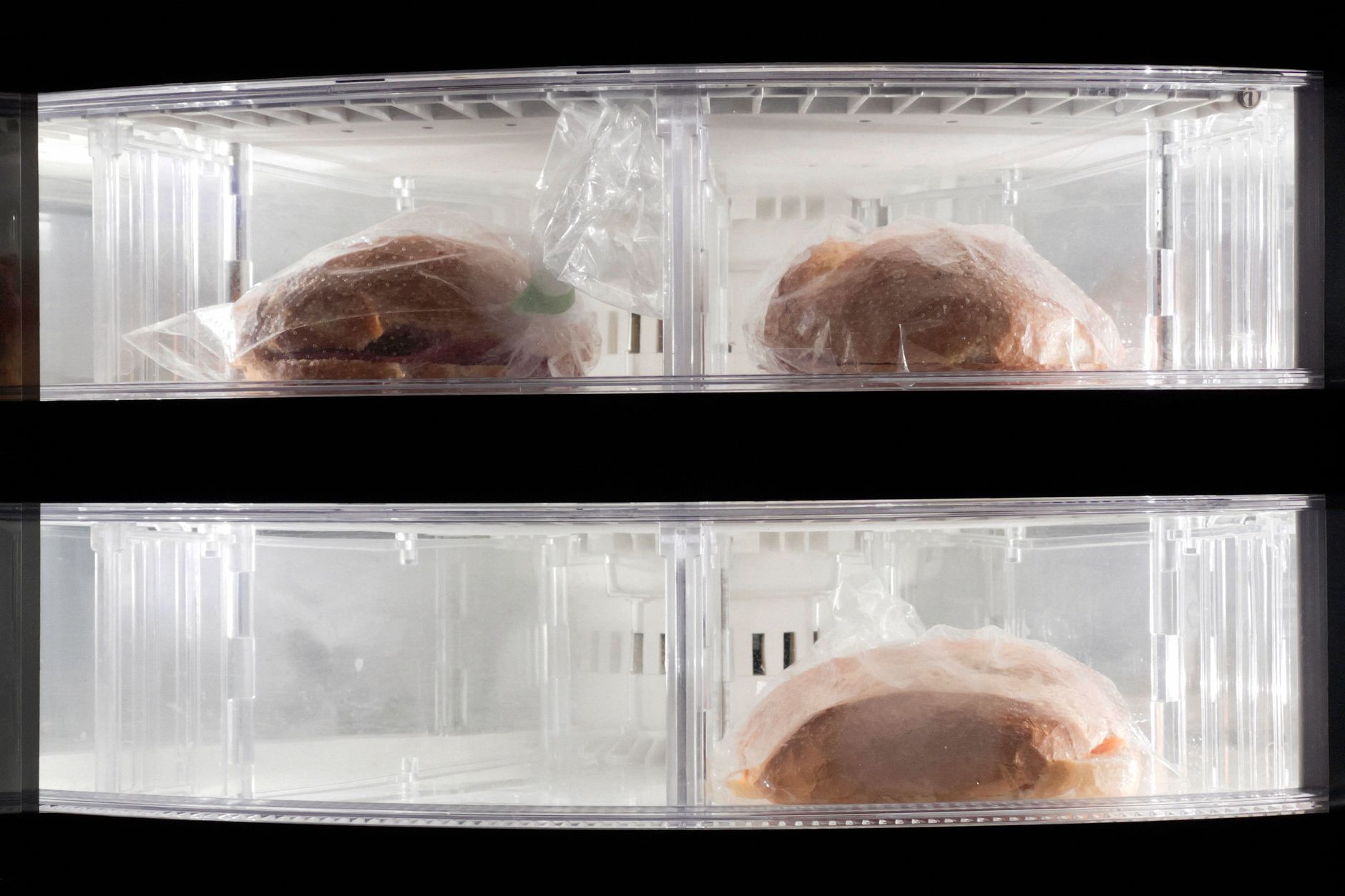
When you’ve just prepared a hot meal, the question of whether to put warm food in the fridge can be a common concern. This decision often arises from a desire to preserve leftovers without compromising safety or quality. Understanding the principles behind food storage can help you make informed choices.
In this article, we will explore the safety guidelines for storing warm food in the fridge, how to cool it properly, and important tips for food storage. Let’s delve into the details of how to do this safely and effectively.
Can I Put Warm Food in the Fridge?
Yes, you can put warm food in the fridge; however, it is essential to do so correctly to prevent foodborne illnesses. The USDA recommends cooling food to a safe temperature before refrigerating it. Ideally, food should be cooled to below 40°F (4°C) within two hours.
Understanding Food Safety Guidelines
Food safety is paramount when storing leftovers, as improper storage can lead to the growth of harmful bacteria. Here are some guidelines to follow:
- Temperature Danger Zone: The temperature range between 40°F (4°C) and 140°F (60°C) is known as the danger zone, where bacteria can thrive. Food should not remain in this zone for more than two hours.
- Cooling Down Food: To minimize the time food spends in the danger zone, it’s crucial to cool it down promptly. Utilizing rapid cooling methods can help achieve this efficiently.
- Storage Duration: Cooked food can typically be stored in the fridge for 3 to 4 days, depending on the type of food.
How to Safely Cool and Store Warm Food
To ensure your warm food is stored safely in the fridge, follow these steps:
- Divide into Smaller Portions: Separate large amounts of food into smaller containers, which will cool faster. This reduces the overall mass and temperature of the food, allowing it to reach a safe cooling temperature quickly.
- Shallow Containers: Use shallow containers to store your food. Shallow containers promote better air circulation and quicker cooling compared to deep containers.
- Bath Method: If time allows, you can place the container of warm food in an ice bath (a bowl of ice and water). This helps in rapidly lowering the food temperature before placing it in the fridge.
- Ventilation: Leave the lid ajar or slightly open to facilitate airflow and help the food cool down quicker without trapping heat.
- Use a Thermometer: If available, use a food thermometer to check that your food has cooled down to below 40°F (4°C) before sealing it and placing it in the fridge.
Best Practices for Food Storage
To maintain food quality during storage, consider these best practices:
- Label and Date: Always label your food containers with the contents and the date they were prepared. This will help you keep track of how long they have been in the fridge.
- Use Airtight Containers: Store food in airtight containers to prevent moisture loss and contamination, which helps preserve freshness.
- Store Regularly: Regularly check your refrigerator for expired or spoiled food. This practice helps maintain a clean and safe storage environment.
- Observe Proper Arrange: Ensure that the items in your fridge are organized. Keep an eye on the food items that require immediate consumption, placing them toward the front of the fridge.
Common Mistakes to Avoid
Some mistakes can jeopardize food safety when refrigerating warm food. Here are a few common blunders to avoid:
- Putting Food Directly in the Fridge: Placing hot food directly in the fridge can raise the temperature of surrounding food, causing a food safety issue.
- Not Cooling Before Sealing: Sealing warm food in airtight containers can lead to moisture accumulation and spoilage, affecting the food quality.
- Stacking Multiple Containers: Stacking containers can create insulation, slowing down the cooling process significantly. It’s best to leave space between containers for better ventilation.
How Long Can Cooked Food Last in the Fridge?
The duration that cooked food remains safe to eat in the fridge can depend on various factors including the type of food and its preparation methods. Here are general guidelines:
Cooked Meats
Cooked meats such as beef, pork, or chicken can generally be stored for 3 to 4 days in the fridge. For more specific durations:
- Cooked Ground Beef: 3 to 4 days. For detailed information about the longevity of cooked ground beef, you can refer to this guide here.
- Cooked Chicken: 3 to 4 days. For specific storage guidelines for cooked chicken, consider exploring this article here.
Cooked Vegetables
Cooked vegetables can last about 3 to 7 days, depending on the type. Dish variations like casseroles often alter the length of time they can be safely stored.
Soups and Stews
Soups and stews tend to last roughly 3 to 4 days. Ensure they are stored in shallow containers for best results.
Grains
Cooked rice or pasta typically remain safe for 3 to 5 days in the fridge.
Reheating Leftovers
When it’s time to enjoy your previously cooked meals, reheating them correctly is just as important as how you stored them. Here are some tips for reheating leftovers safely:
- Heat Evenly: Ensure that food is heated evenly to above 165°F (74°C) to kill any potential bacteria. Stirring often when using microwaves can help achieve uniform temperature distribution.
- Use Food Thermometer: As with cooking, using a thermometer can verify the safe heating temperature of your leftovers.
- Don’t Reheat Multiple Times: It’s best to only reheat food once to prevent bacterial growth. If you know you won’t consume everything, only reheat the portion you plan to eat.
Conclusion
Putting warm food in the fridge is acceptable provided you adhere to safety guidelines for cooling and storage. Cooling food correctly will help preserve its quality while minimizing the risk of foodborne illness. With the right approach, you can safely enjoy your culinary creations, even after they’ve cooled down.
Remember to also check out how long cooked ground beef lasts and the longevity of cooked chicken for further insights on food storage practices.