
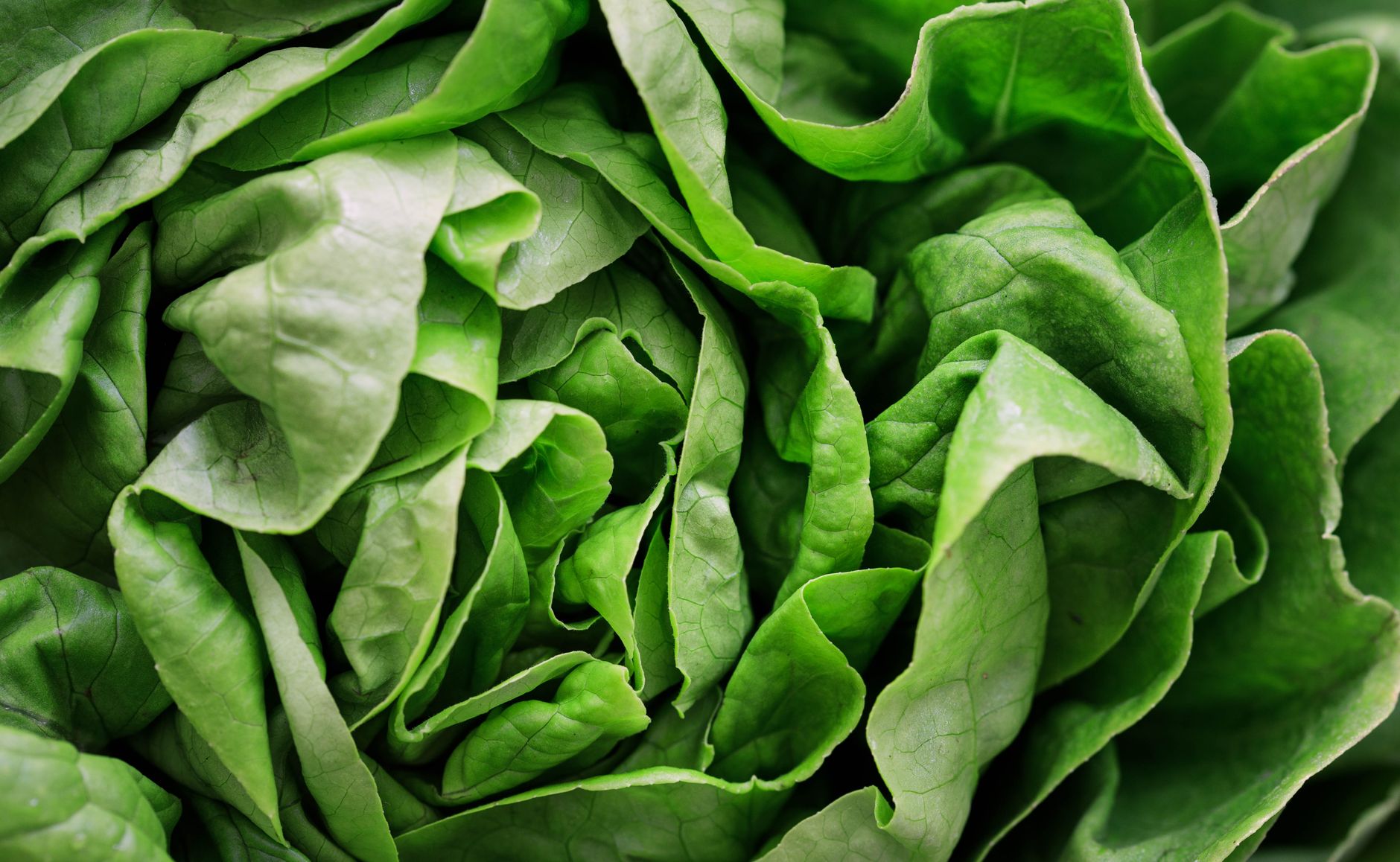
Salads can be a refreshing and nutritious addition to any meal, but many individuals report feeling gassy or bloated after enjoying a bowlful of greens. Understanding the relationship between salad ingredients, fiber content, and digestion can shed light on why this discomfort happens. This article explores the components of salads that may cause gas and offers tips on how to enjoy your greens without the bloating.
From fiber to portion size, several factors contribute to post-salad gas. By examining the ingredients commonly found in salads and how our bodies process them, we can address this common issue and learn how to optimize our salad enjoyment.
Why Does Salad Make Me Gassy?
Salads may cause gas primarily due to their high fiber content and the presence of certain vegetables that can be harder to digest. Factors such as individual digestive health, how the salad is prepared, and the amount consumed can all influence the level of gas production. Identifying these factors can help mitigate discomfort.
Understanding Fiber and Its Role in Digestion
Fiber is an essential component of a healthy diet, offering numerous benefits including improved digestion and gut health. However, it can also lead to gas production when consumed in high amounts, especially if the body is not accustomed to it.
Types of Fiber
There are two types of dietary fiber: soluble and insoluble, each playing different roles in the digestive process.
- Soluble Fiber: Dissolves in water to form a gel-like substance. It can help lower cholesterol and regulate blood sugar levels. Foods high in soluble fiber include oats, apples, bananas, and carrots.
- Insoluble Fiber: Does not dissolve in water and helps bulk up stool, moving it through the digestive tract. This type is found in whole grains, nuts, and many vegetables, such as leafy greens.
Salads often contain a significant amount of both types of fiber, leading to increased bowel movement and potentially causing gas if too much is consumed at once.
How Fiber Creates Gas
The human body lacks the enzymes to fully break down some types of fiber. When fiber reaches the large intestine, bacteria use it for fermentation, producing gases such as hydrogen, carbon dioxide, and methane in the process. This can lead to bloating and discomfort, especially if a person increases their fiber intake rapidly or consumes large portions of salad.
Common Salad Ingredients That Cause Gas
To understand the gas-producing effects of salads better, let’s look at specific ingredients commonly found in salads and how they can affect digestion.
Leafy Greens
Salads typically start with a base of leafy greens like spinach, kale, and romaine lettuce. While they are low in calories and packed with nutrients, they are also high in fiber. Some people may find that certain greens, especially raw varieties, can contribute to gas. For example:
- Kale: While nutritious, this leafy green contains compounds called glucosinolates that can cause gas in some individuals.
- Spinach: Contains oxalates, which can be problematic for some people, especially in larger quantities, possibly leading to digestive discomfort.
Cruciferous Vegetables
Cruciferous vegetables like broccoli, cauliflower, and Brussels sprouts are popular salad additions. However, they are notorious for causing gas due to their high fiber content and presence of raffinose, a complex sugar that can cause bloating when fermented by gut bacteria.
Beans and Legumes
Adding beans or legumes to salads is a great way to boost protein and fiber, but they can also lead to gas production. This is mainly due to their complex carbohydrates that are difficult to digest. Common examples include:
- Chickpeas: Frequently used in salads like tabbouleh, chickpeas are high in fiber, which can contribute to gas if eaten in large amounts.
- Black beans: While nutritious, they contain oligosaccharides, another type of carbohydrate that can lead to gas production.
Onions and Garlic
These flavorful additions enhance salad taste but can also lead to gas. Both onions and garlic contain fructans, a type of carbohydrate known for causing bloating and discomfort, particularly in individuals sensitive to FODMAPs (fermentable oligosaccharides, disaccharides, monosaccharides, and polyols).
Dressings
Salad dressings can also play an unexpected role in gas production. Creamy or rich dressings may contain ingredients such as dairy or high-fructose corn syrup, which could upset digestion for those who are lactose intolerant or sensitive to sugar additives.
Portion Size Matters
Even healthy foods can cause digestive discomfort when consumed in large quantities. If you’re eating a salad loaded with fiber-rich ingredients, moderation is key. Additionally, if your body is not used to such high fiber levels, a sudden increase in portion size can lead to discomfort.
To prevent gas from salad consumption, consider the following portion control strategies:
- Start Small: If you’re not accustomed to eating a lot of fiber, begin with smaller salad portions to allow your digestive system to adjust.
- Gradually Increase Fiber Intake: As your body becomes accustomed to higher fiber levels, slowly increase the size of your salads and the variety of ingredients.
- Balance Your Salad: Include a mix of low- and high-fiber ingredients to create a more balanced dish without overwhelming your digestive system.
Tips for Reducing Gas from Salads
While salad ingredients can often lead to gas, there are practical steps you can take to enjoy them without discomfort. Here are some helpful tips:
Choose Digestible Ingredients
Select ingredients that are easier to digest while still providing the nutritional benefits of a salad. Some options include:
- Cooked Vegetables: Lightly steaming cruciferous vegetables can make them easier to digest, reducing the likelihood of gas.
- Avoid Overly Raw Ingredients: If you find raw vegetables difficult to digest, consider opting for cooked or sautéed versions instead.
Rinse and Soak Beans
If you use canned beans in your salad, rinse them under cold water before adding them to help remove some of the gas-causing compounds. Soaking dried beans before cooking can also reduce their gas-producing potential.
Mind the Dressings
Be mindful of the types of dressings you use. Homemade vinaigrettes made with olive oil and vinegar tend to be lighter than creamy dressings. If you are sensitive to dairy, use non-dairy alternatives, or simply stick to oil-based dressings where possible.
Eat Slowly
Eating quickly can lead to swallowing excess air, which can contribute to gas. Take your time, chew thoroughly, and enjoy each bite of your salad.
Consider Digestive Aids
Some individuals benefit from digestive aids like beano or activated charcoal before meals that may include high-fiber ingredients. Always consult with a healthcare professional before starting any new supplements.
Common Mistakes to Avoid
While enjoying salads is generally healthy, there are common mistakes that can lead to discomfort:
- Overloading Your Salad: Avoid cramming too many gas-producing ingredients into one salad. Choose a balance of ingredients instead.
- Ignoring Your Body’s Signals: Pay attention to how your body reacts after consuming salads. If certain ingredients cause discomfort, it may be wise to limit or avoid them.
- Not Drinking Enough Water: Fiber works best when paired with adequate hydration. Be sure to drink enough water throughout the day to aid digestion.
When to Consult a Professional
If you regularly experience severe gas, bloating, or discomfort after consuming salads, it may be worthwhile to consult a healthcare provider. They can assess if there are any underlying digestive issues, such as food intolerances or irritable bowel syndrome (IBS).
Digestive health is critical, and keeping a food diary can help identify patterns in your diet that contribute to discomfort. It’s valuable to track which foods cause gas and how your body reacts over time.
Conclusion
Salads can be a delightful and healthy addition to your diet, but the potential for gas and bloating from their ingredients is real. By understanding the fiber variations, portion sizes, and preparation techniques, you can enjoy salads without the discomfort. Focus on finding the right balance of ingredients, eating mindfully, and listening to your body’s needs.
Enhancing your salad experience is an opportunity to experiment with ingredients while supporting digestive health. For more delicious options, consider trying a Waldorf salad recipe or a refreshing Thai cucumber salad recipe to diversify your salad experience.