
Asparagus is a nutritious and versatile vegetable that can elevate a variety of dishes, from salads to stir-fries. However, to fully benefit from its unique flavor and health properties, knowing how to store it correctly is crucial. One of the most common questions about asparagus is how long it lasts in the fridge and how to keep it fresh.
Proper storage techniques can help extend the life of asparagus and prevent spoilage. This guide will detail the shelf life of asparagus in the fridge, provide practical storage tips, and discuss signs of freshness and spoilage.
How Long Asparagus in Fridge?
Asparagus typically lasts about 3 to 5 days in the fridge when stored properly. However, its freshness can vary based on factors like the age of the asparagus when purchased and how it is stored. Understanding these factors can help maximize its shelf life.
Understanding Asparagus Freshness
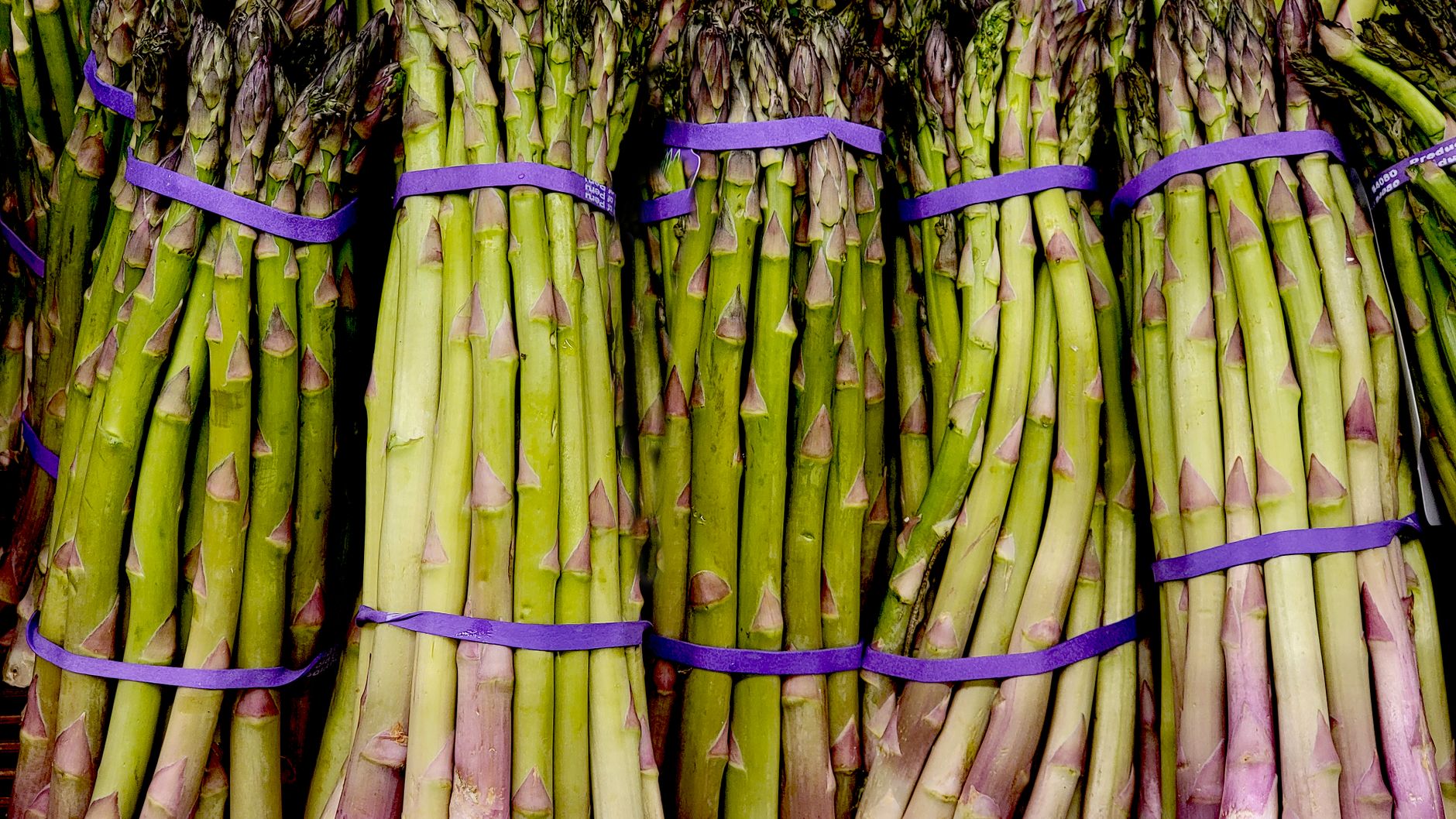
Fresh asparagus is characterized by its vibrant green color, firm texture, and closed tips. Freshness is key not only for taste but also for nutritional value. As asparagus ages, it loses its crispness and develops an unpleasant odor, which is a sign that it is past its prime.
Buying Fresh Asparagus
- Look for firm stalks with pointed, tightly closed tips.
- Check for a bright green or purple hue, depending on the variety.
- Avoid asparagus with brown or wilted tips.
Storing Asparagus in the Fridge
How you store asparagus can significantly affect its freshness. Here are some recommended methods to keep asparagus crisp while in the fridge:
Method 1: Standing in Water
- Trim the ends of the asparagus stalks by about an inch.
- Place the asparagus upright in a jar or glass with about an inch of water, like a bouquet of flowers.
- Cover the tops loosely with a plastic bag or wrap, allowing some air to circulate.
- Store the jar in the fridge. Change the water every couple of days to maintain freshness.
Method 2: Wrapped in a Damp Paper Towel
- Moisten a paper towel but ensure it’s not dripping wet.
- Wrap the asparagus stalks in the damp paper towel.
- Place the wrapped asparagus in a plastic bag or container before storing it in the fridge.
Method 3: In a Plastic Bag
- Instead of wrapping in a towel, simply place the unwashed asparagus in a perforated plastic bag.
- Ensure there is some air circulation within the bag, which will help prevent moisture buildup.
- Store it in the crisper drawer of your refrigerator.
Freezing Asparagus
If you have an excess of asparagus or won’t be able to use it within the week, freezing is a great option. Here’s how to do it:
- Wash the asparagus and snap off the woody ends.
- Blanche the asparagus in boiling water for 2-4 minutes, depending on the thickness.
- Immediately transfer the asparagus to an ice bath to stop the cooking process.
- Once cooled, drain and dry the asparagus thoroughly.
- Place the asparagus in an airtight freezer bag, removing as much air as possible, and seal it.
- Label the bag with the date before placing it in the freezer. Frozen asparagus can last for 8-12 months.
Signs of Spoilage
Recognizing the signs of spoilage is crucial for maintaining food safety. Here are the telltale signs that your asparagus has gone bad:
- Soft or mushy stalks: This is a clear sign that the asparagus is no longer fresh.
- Brown tips: While some discoloration can be normal, significant browning indicates spoilage.
- Unpleasant odor: A foul smell means that the asparagus should be discarded.
- Overall limpness: Fresh asparagus should maintain some firmness; if it’s too limp or wilted, it’s time to toss it.
Cooking with Asparagus
When you have fresh asparagus, there are many delicious ways to incorporate it into your meals. Here are some popular cooking methods:
Grilling
Grilling brings out the natural sweetness of asparagus and creates a delightful char.
- Toss asparagus in olive oil, salt, and pepper.
- Grill on medium-high heat for about 5-7 minutes, turning occasionally until tender.
Roasting
Roasting asparagus is simple and offers a concentrated flavor.
- Preheat your oven to 400°F (200°C).
- Coat asparagus with olive oil, salt, and pepper.
- Spread on a baking sheet and roast for 15-20 minutes until the tips are crispy and the stalks are tender.
Steaming
Steaming helps retain nutrients while keeping the asparagus tender-crisp.
- Prepare a steaming basket over boiling water.
- Add asparagus and cover. Steam for about 3-5 minutes based on thickness.
Recipe Ideas Featuring Asparagus
Here are a few recipe ideas that highlight asparagus:
Asparagus Salad
A refreshing salad can feature lightly blanched or raw asparagus, mixed greens, and a simple lemon vinaigrette.
Asparagus Frittata
Incorporate asparagus into a frittata with eggs, cheese, and herbs for a hearty breakfast dish.
Stir-Fried Asparagus
Quickly stir fry asparagus with assorted vegetables and your choice of protein for a colorful meal.
Using Leftover Asparagus
If your fresh asparagus has started to lose its firmness but is not spoiled, consider these options:
- Add it to soups and stews for extra flavor and nutrients.
- Incorporate it into pasta dishes or casseroles.
- Blend into smoothies for a nutrient boost if blended thoroughly.
Common Mistakes to Avoid
When storing asparagus, avoid these pitfalls:
- Do not wash asparagus before storage, as moisture can lead to spoilage.
- Avoid placing asparagus in an airtight container without airflow, which traps moisture.
- Do not store asparagus beside ethylene-producing fruits (like apples and bananas), as they accelerate spoilage.
Conclusion
In summary, asparagus can last in the fridge for about 3 to 5 days when stored properly. Utilizing effective storage methods like standing in water or wrapping in a damp paper towel can preserve its freshness, while recognizing spoilage signs will ensure food safety. With so many cooking techniques and recipes to explore, fresh asparagus can be a delightful addition to your culinary repertoire!
Feel free to check out more tips on boiling asparagus and the possibility of eating it raw for additional culinary inspiration.