
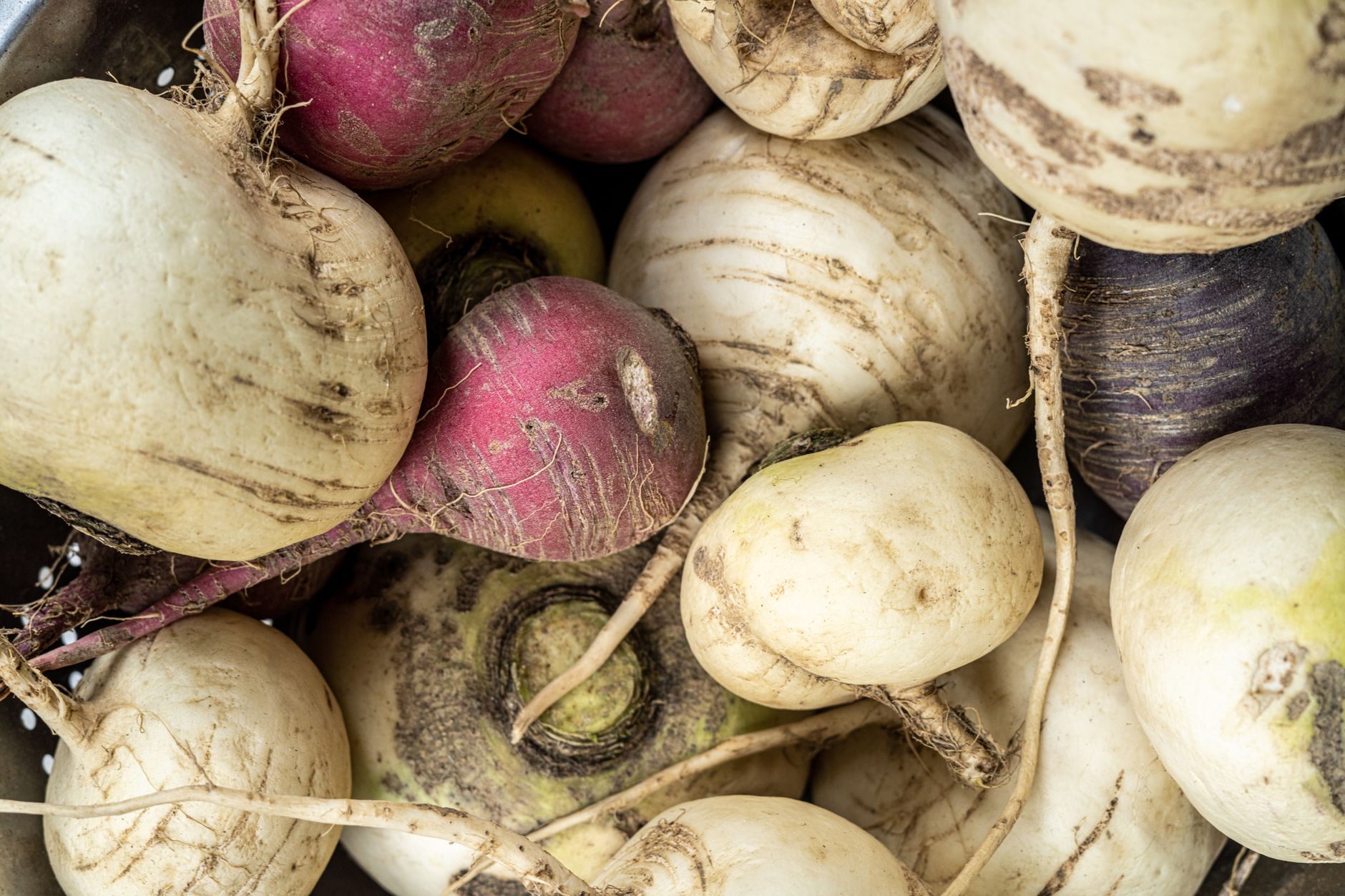
Root vegetables are a category of vegetables that grow underground, deriving their nutrients from the soil. They are known for their hearty texture, robust flavors, and versatility in the kitchen. These vegetables serve as key ingredients in countless dishes across various cuisines.
Understanding what root vegetables are and how to prepare them can enhance your culinary skills. This guide will delve into the characteristics of root vegetables, their culinary uses, and tips for selecting, storing, and cooking with them.
What Is a Root Vegetable?
Root vegetables are edible plants that grow beneath the surface of the soil. They store nutrients and energy to help sustain the plant, making them rich in vitamins, minerals, and dietary fiber. Common examples include potatoes, carrots, turnips, and beets. While often categorized as vegetables, they are botanically classified as roots, tubers, or bulbs.
Characteristics of Root Vegetables
Root vegetables are typically known for their earthy flavors and firm textures. Here are some key characteristics:
- Flavor: Root vegetables often have a sweet, nutty, or earthy taste, depending on the type. They can be creamy, crunchy, or starchy, making them suitable for various dishes.
- Texture: These vegetables can range from crisp and crunchy (like radishes) to starchy and soft (like potatoes) once cooked.
- Culinary Uses: Root vegetables can be consumed raw, roasted, boiled, mashed, or pureed. They are often used in soups, stews, salads, and side dishes.
Popular Root Vegetables and Their Uses
Below is a list of popular root vegetables, along with details about their taste, texture, and common kitchen uses:
1. Carrots
Carrots are one of the most well-known root vegetables, prized for their sweetness and crunchy texture. They can be eaten raw in salads, roasted, or used in soups and stews. Carrots come in various colors, including orange, purple, and yellow, each with unique flavors and nutrients.
2. Potatoes
Potatoes are versatile and can be baked, mashed, fried, or roasted. They have a starchy texture and a mild flavor, making them a staple in many cuisines. Different varieties like russet, Yukon gold, and red potatoes offer distinct flavors suitable for various dishes.
3. Beets
Beets have an earthy sweetness and a firm texture, ideal for roasting, pickling, or adding to salads. They can also be juiced or pureed. Beetroots are usually red, but golden and striped varieties are available too.
4. Turnips
Turnips have a slightly peppery flavor, which becomes sweeter upon cooking. They are often used in stews, mash, or roasted as a side dish. Young turnips are tender, while older ones may be more pungent in flavor.
5. Sweet Potatoes
Sweet potatoes are sweeter than traditional potatoes and have a creamy texture when cooked. They can be baked, mashed, or used in desserts. Varieties include orange-fleshed, which is sweeter, and purple-fleshed, which has a more earthy flavor.
6. Radishes
Radishes are often eaten raw in salads for their crisp texture and peppery flavor. They can also be roasted or pickled, which adds a unique depth of flavor. Common varieties include red, black, and daikon radishes.
Health Benefits of Root Vegetables
Root vegetables are packed with nutrients that provide various health benefits:
- Rich in Vitamins: Carrots are high in vitamin A, while sweet potatoes are rich in vitamin C and fiber.
- Low in calories: Root vegetables, particularly non-starchy options like carrots and radishes, are low-calorie foods that can help support weight management.
- Good Source of Fiber: High fiber content aids digestion and can help maintain a healthy gut.
- Nutrient Dense: Root vegetables are filled with antioxidants and anti-inflammatory properties that can bolster overall health.
Selecting and Storing Root Vegetables
Choosing and storing root vegetables properly can extend their shelf life and maintain freshness. Here are some tips:
Choosing Root Vegetables
- Look for firm, smooth skin free of blemishes or soft spots. Avoid any that appear shriveled or wrinkled.
- If possible, choose organic varieties to reduce exposure to chemicals and pesticides, especially for root vegetables that are typically eaten with the skin on.
- For potatoes, check for green spots or sprouting, which can indicate they are past their prime.
Storing Root Vegetables
- Store root vegetables in a cool, dark, and dry place, such as a pantry or cellar. Ideal temperatures range between 45°F to 50°F (7°C to 10°C).
- Please avoid storing them in plastic bags, as this can trap moisture and lead to rotting. Instead, use a paper bag or a basket.
- Refrigerate leafy tops, like those from beets or carrots, separately from the roots to keep them fresh longer.
Cooking Techniques for Root Vegetables
Root vegetables can be prepared using diverse cooking techniques, each bringing out different flavors and textures.
1. Roasting
Roasting root vegetables caramelizes their natural sugars, intensifying their flavors. Use the following steps:
- Preheat the oven to 400°F (200°C).
- Peel and chop the vegetables into even-sized pieces to ensure uniform cooking.
- Toss them in olive oil, salt, and your choice of herbs and spices.
- Spread them out on a baking sheet, making sure they are not overcrowded.
- Roast for 25-35 minutes, or until they are golden brown and tender, turning them halfway through.
2. Boiling
Boiling is a straightforward method for cooking root vegetables. To boil:
- Thoroughly wash and peel the vegetables if necessary.
- Cut them into uniform pieces to ensure they cook evenly.
- Place them in a pot of boiling salted water, and cook until tender, about 10-20 minutes, depending on the vegetable.
- Drain and serve immediately or mash as desired.
3. Mashing
Mashing can create delightful creamy side dishes. Try this method with potatoes and sweet potatoes:
- Boil or steam the root vegetables until fork-tender.
- Drain and transfer to a mixing bowl.
- Add butter, milk, salt, and pepper to taste.
- Use a potato masher or ricer for a velvety smooth texture.
4. Steaming
Steaming helps retain nutrients and allows for a tender yet crisp texture. Here’s a quick guide:
- Cut the root vegetables into pieces and place them in a steaming basket or colander over boiling water.
- Cover and steam for 10-20 minutes, depending on the size of the pieces.
- Check for tenderness with a fork, and serve immediately.
5. Grating
Grating is an excellent way to prepare root vegetables for salads or fritters. Try it with carrots or beets:
- Wash and peel the vegetables if necessary.
- Use a box grater or food processor to shred the vegetables finely or coarsely based on preference.
- Mix with other salad ingredients or form into patties for cooking.
Common Mistakes with Root Vegetables
While cooking with root vegetables is simple, several common mistakes can affect your dish’s outcome:
- Overcooking: Overcooking can lead to mushy textures, particularly with potatoes and sweet potatoes. Keep an eye on them while boiling or steaming.
- Not seasoning adequately: Root vegetables often benefit from a generous seasoning mix, especially when roasted. Don’t skimp on herbs and spices to enhance their natural flavors.
- Using cold vegetables: For better cooking results, let root vegetables come to room temperature before roasting or cooking. Cold vegetables can cook unevenly.
Substitutions for Root Vegetables
If you find yourself lacking a specific root vegetable, alternatives can be easily swapped based on similar flavors and textures:
| Root Vegetable | Substitution | Notes |
|---|---|---|
| Potatoes | Sweet Potatoes | Both are starchy, but sweet potatoes are sweeter and more nutrient-dense. |
| Carrots | Parsnips | Parsnips have a similar texture but offer a sweeter, nuttier flavor. |
| Beets | Carrots | Carrots offer sweetness and a similar texture; beets are earthier. |
| Turnips | Rutabagas | Rutabagas are sweeter and larger, with a similar texture. |
Planning Meals with Root Vegetables
Root vegetables can serve as excellent meal staples, whether you incorporate them in main dishes, sides, or vegetarian meals. Here are some practical meal ideas:
- Soup or Stew: Combine a mix of root vegetables with beans, lentils, or meat for a hearty soup or stew.
- Roasted Vegetable Medley: Toss various root vegetables with olive oil and herbs for a simple side dish.
- Vegetable Hash: Sauté chopped root vegetables with onions and spices for breakfast or brunch dishes.
- Root Vegetable Salad: Shred raw root vegetables and mix with a tangy vinaigrette for a refreshing salad.
Final Thoughts and Culinary Exploration
Root vegetables provide an excellent opportunity to explore new flavors and textures in your cooking. With their nutritional benefits and versatility, they can fit seamlessly into numerous recipes and meal plans.
Explore the world of root vegetables further with recipes such as purple potatoes and white sweet potatoes, or diversify your meals by incorporating them in delicious dishes. With each cooking method, you open up a treasure trove of flavors to enjoy year-round.