
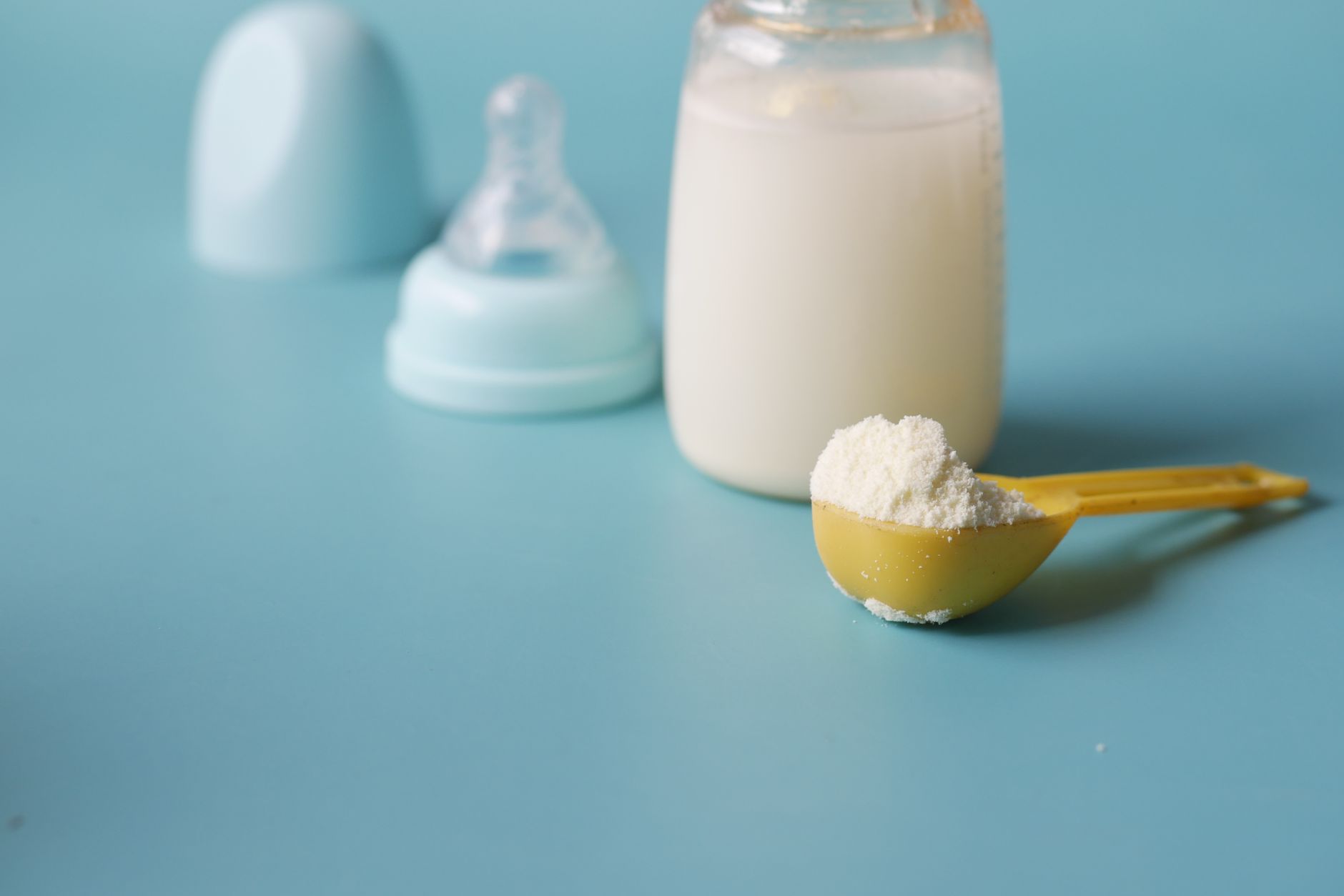
When it comes to feeding infants, understanding food safety guidelines is essential. One common question parents ask is how long whole milk is safe to keep in a baby bottle once it has been prepared. This article will provide a comprehensive look at the storage and safety of whole milk in baby bottles, ensuring infants remain happy and healthy.
While whole milk can be a suitable option for babies over 12 months, accidental feeding or improper storage can lead to foodborne illnesses. This guide will break down the recommendations and best practices for maintaining the quality and safety of whole milk in your baby’s bottle.
How Long Is Whole Milk Good for in a Baby Bottle?
Whole milk is generally safe at room temperature for about two hours. If it has been warmed or used during feeding, it should not be left out for more than this timeframe. After this, any leftover milk should be discarded to prevent bacterial growth.
Understanding Milk Storage Guidelines
Proper storage techniques are vital when it comes to ensuring that your baby’s milk remains safe and nutritious. This section will outline key aspects of how long whole milk lasts in a baby bottle, whether freshly prepared or stored in the fridge.
Freshly Prepared Whole Milk in a Baby Bottle
If you are pouring freshly opened whole milk into a baby bottle, the clock begins ticking as soon as it is out of the fridge. Generally, the following guidelines apply:
- At room temperature (between 68°F and 72°F), whole milk should be consumed within two hours.
- If the bottle has been warmed, it is advisable to use it within one hour to maintain optimal safety.
- In cases where an infant has fed from the bottle, any remaining milk should be discarded within one hour.
Whole Milk Stored in a Refrigerator
If you are storing whole milk in a baby bottle within the refrigerator, you can expect it to remain good for up to 24 hours. Here are some important tips:
- Ensure the bottle is tightly sealed to prevent the milk from absorbing any odors from the fridge.
- Label the bottle with the date and time to keep track of freshness.
- Keep the fridge temperature at or below 40°F (4°C) to maintain milk quality.
The Importance of Temperature Control
Temperature is a key factor in the longevity of milk. Bacteria thrive in warmer temperatures, making it crucial to keep milk either refrigerated or consumed swiftly. Here are some points worth considering:
Warming Whole Milk
If you need to warm whole milk, do so gently. Here are some strategies:
- Use a bottle warmer for an even and safe temperature.
- Avoid microwaves, as they can heat unevenly and potentially create hot spots that might scald your baby.
- Test the milk’s temperature before giving it to the baby; it should be lukewarm, not hot.
Cool Down After Feeding
If there’s leftover formula after a feeding, it should be refrigerated immediately to inhibit bacterial growth. Remember these additional steps:
- Cool the milk rapidly before placing it back in the refrigerator.
- Never reheat milk more than once; repeated heating increases the risk of spoilage.
Common Mistakes to Avoid
Understanding proper milk storage can mitigate potential risks. Here are frequent blunders that should be avoided:
- Leaving whole milk out for longer than two hours.
- Using a bottle that hasn’t been cleaned properly after the last feeding.
- Assuming that milk that smells fine is safe; spoilage can occur without clear indicators.
Recognizing Spoiled Milk
Whether refrigerated or at room temperature, knowing how to identify spoiled whole milk is crucial for ensuring your baby’s health. Signs of spoilage include:
- An off or sour smell that is distinct from normal milk.
- A change in texture; spoiled milk can become lumpy.
- An unusual taste that differs from typical whole milk.
When and How to Introduce Whole Milk to Your Baby
Introducing whole milk to your baby’s diet should happen gradually. Here are some guidelines:
- Whole milk is typically suggested for babies after their first birthday.
- Start by mixing whole milk with breast milk or formula to ease the transition.
- Keep an eye on any signs of an allergic reaction, especially if you have a family history of milk allergies.
Alternatives to Whole Milk
For parents who may have concerns about introducing whole milk, consider these alternatives:
- Fortified soy milk can be a suitable substitute but consult your pediatrician first.
- Unsweetened almond milk may also be a viable option, though it lacks some essential nutrients found in cow’s milk.
- Oat milk is gaining popularity, but ensure that it is fortified and suitable for infants.
Best Practices for Bottle Feeding
Following best practices for bottle-feeding can enhance your baby’s feeding experience and ensure safety. Consider the following:
- Always wash your hands before preparing the bottle.
- Use sterilized bottles to reduce the risk of bacteria.
- Feed your baby in a semi-upright position to prevent ear infections linked to bottle-feeding.
Preparation for Bottle Feeding
Preparing a bottle for your baby should always involve cleanliness and care. Follow these steps to ensure a proper setup:
- Wash and sterilize bottles and nipples before each use.
- Pour the required amount of whole milk into the bottle.
- If warming, do so as described earlier, then shake it gently to ensure consistent temperature.
- Check the temperature before giving it to your baby.
Handling Leftover Milk
Understanding what to do with leftover whole milk in a baby bottle is crucial. Adhere to these guidelines:
- Never save leftover milk if it has been at room temperature for more than two hours.
- If refrigerated, use it within 24 hours of initially pouring it into the baby bottle.
- Discard any milk showing signs of spoilage or that has been used during a feeding.
Feeding Schedules and Tracking Intake
Establishing a feeding schedule can help maintain consistency. Here are some tips:
- Track your baby’s feeding times and amounts consumed for effective monitoring.
- Consult with a pediatrician for tailored guidance on the ideal amount of whole milk.
- Be attentive to your baby’s hunger cues, adjusting feeding times as necessary.
Conclusion
Keeping whole milk safe and nutritious in a baby bottle involves understanding proper storage, diligent monitoring, and best practices around feeding. By adhering to suggested guidelines, parents can ensure their babies enjoy whole milk safely and healthily. For additional information on safe food storage practices, explore our articles on how long cooked ground beef is good in the fridge and how long cottage cheese lasts after opening.
For additional recipes, food safety tips, and storage guides, explore related resources!